The appeal of photo editing is shifting. Sharpness alone no longer defines a strong image, because many users now want atmosphere, depth, and a more cinematic mood.
That is why Gemini AI prompts built around shadow play are getting more attention. The style uses light and shadow as the main visual tools, turning simple portraits into images that feel dramatic, polished, and more premium.
Why shadow play stands out
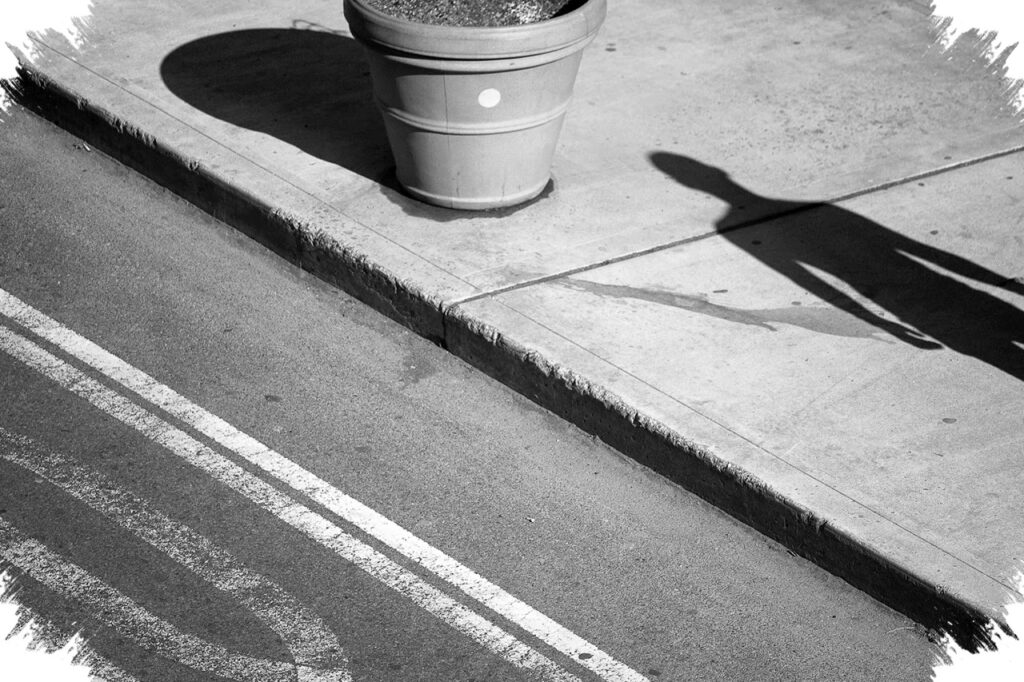
Shadow play works by making lighting part of the composition rather than just a background detail. Window light, street lamps, curtain gaps, and sun filtered through leaves can all create the kind of natural contrast that gives an image more dimension.
The result is often more emotional than a flat bright portrait. Shadows guide the eye toward the subject’s face and expression, while the controlled tone makes the image feel calmer, deeper, and more considered.
Gemini AI is often chosen for this approach because it can keep facial detail looking natural. Skin texture does not appear overly processed, expressions stay soft, and the lighting can remain believable.
A style that feels closer to film
More creators are mixing realism with cinematic framing because the result carries more character. A steady gaze, a natural pose, and realistic lighting can make a portrait look like a frame taken from a movie.
Shadow play also helps the subject become the center of attention. Instead of relying on many visual elements, the image can tell a story through light direction, facial focus, and mood alone.
That is one reason this look is also associated with modern editorial photography. In current visual trends, atmosphere often matters as much as camera quality.
Six Gemini AI prompts for dramatic portraits
One prompt turns a real photo into a realistic cinematic portrait with shadow play from late-afternoon sunlight entering through the lattice of a modern apartment window. The subject stands casually, leans slightly against a wall, and looks into the camera with a calm but emotional expression.
Another prompt creates an urban nighttime scene in the rain. Neon store light reflects on wet street glass while the subject walks slowly along the sidewalk, hands in the jacket pockets, looking naturally to the side.
A third prompt uses leaf shadows cast by morning sunlight. The subject sits relaxed on a park bench holding a book, with a quiet natural setting, realistic skin and hair texture, and a softly blurred background.
A fourth prompt takes a more dramatic festival-film approach. Projector light creates abstract patterns across the subject’s body, while the subject stands upright with folded arms and looks straight at the camera with confidence.
A fifth prompt focuses on an intimate night interior. Soft lamp shadows shape one side of the face as the subject sits near the window, holding a cup of warm tea and looking outside with a calm expression.
The sixth prompt presents a modern cinematic look with thin curtain light. The subject stands on a high-rise balcony, holding the hair and looking toward the evening sky, with warm sunset tones and natural detail.
What makes the result believable
These prompts all rely on the same core choices: realistic lighting, natural color tone, and a preserved sense of identity in the face. Small details such as subtle film grain, realistic depth of field, light motion blur, and sharp focus on the eyes help the final image feel more premium.
That is what makes shadow play relevant for users who want a dramatic look without losing a natural appearance. The style shows that a strong photo is not only about the camera, but also about the visual atmosphere built around the subject.