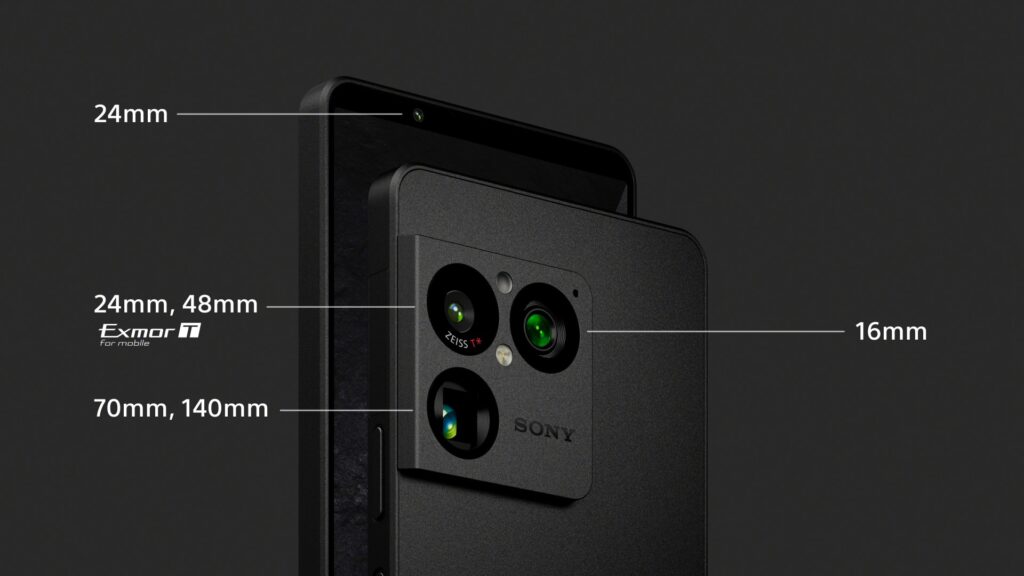
Sony’s Xperia 1 VIII has become a talking point for an unexpected reason: its AI Camera Assistant campaign turned into a social media joke. Instead of drawing praise for camera innovation, the company’s own comparison images triggered a wave of memes that framed the AI output as worse than the original photos.
The reaction was especially sharp on X, where many users focused on the look of the processed images rather than on any technical promise behind the feature. In the examples shared by Sony, the AI-assisted versions were widely seen as too bright, washed out, and less natural than the unedited shots.
Sony’s promo images drew the wrong kind of attention
The controversy started when Sony’s official account on X posted side-by-side comparisons to highlight the AI features on the new phone. The original photos showed balanced lighting and natural shadows, while the AI-assisted versions appeared to change the scene in ways that many viewers found unappealing.
Highlights in the processed images were seen as blown out, colors looked faded, and the overall result did not match the polished visual improvement the campaign seemed to promise. That mismatch quickly shifted the tone of the discussion, turning a product showcase into a target for ridicule.
What made the situation worse for Sony was the speed of the response. The comparison posts were soon being circulated not as promotional material, but as a source of jokes and sarcastic reactions across social media.
Sony tried to clarify how the feature works
As criticism spread, Sony stepped in with an official explanation of the AI Camera Assistant. The company said the feature does not edit photos after they are taken.
Instead, Sony described it as a tool that suggests four different settings based on the scene and subject, each with a different creative direction. That clarification was important because many users had assumed the phone was using a full auto-editing system that directly produced a final image.
Sony also said users are free to choose one of the suggested options or rely on their own settings. In its framing, the feature is meant to support creative control rather than decide what the “correct” photo should look like.
The meme response grew fast on X
Even after the explanation, the online reaction did not calm down. On X, users quickly turned the issue into a meme trend by posting exaggerated “before and after” comparisons of their own.
Some of those posts were deliberately absurd. One example showed a purple flower replaced by a blank white square, as if the AI enhancement had erased the image entirely.
Another widely shared joke featured a portrait whose AI version was so bright that the person’s facial details almost disappeared into the background. Many of these posts were paired with sarcastic captions such as “thank you, Sony.”
Public figures added more fuel
The conversation also spread beyond everyday users. Carl Pei, CEO of Nothing, joined in by reposting the sample images and questioning whether the whole thing was just “engagement farming.”
Several tech content creators also reacted with confusion as they saw the images circulate. They reposted the comparisons and questioned whether the visuals being shared were even real.
That extra attention broadened the story beyond a single camera feature. Xperia 1 VIII became part of a wider discussion about how a brand presents AI technology to the public.
A viral moment Sony may struggle to reverse
Sony is still presenting the AI on Xperia 1 VIII as a creative aid with flexible control. The company’s message remains centered on choice, not on a single fixed result.
But the viral reaction has already taken on a life of its own. For many social media users, Xperia 1 VIII is now associated less with camera performance and more with meme-worthy AI output that looked overly bright and unnatural.
It is still unclear whether the campaign used the wrong sample images or simply ended up attracting attention in an unexpected way. What is clear is that Sony’s latest phone became one of the most discussed devices of the week, even if the spotlight was not the one the company wanted.