


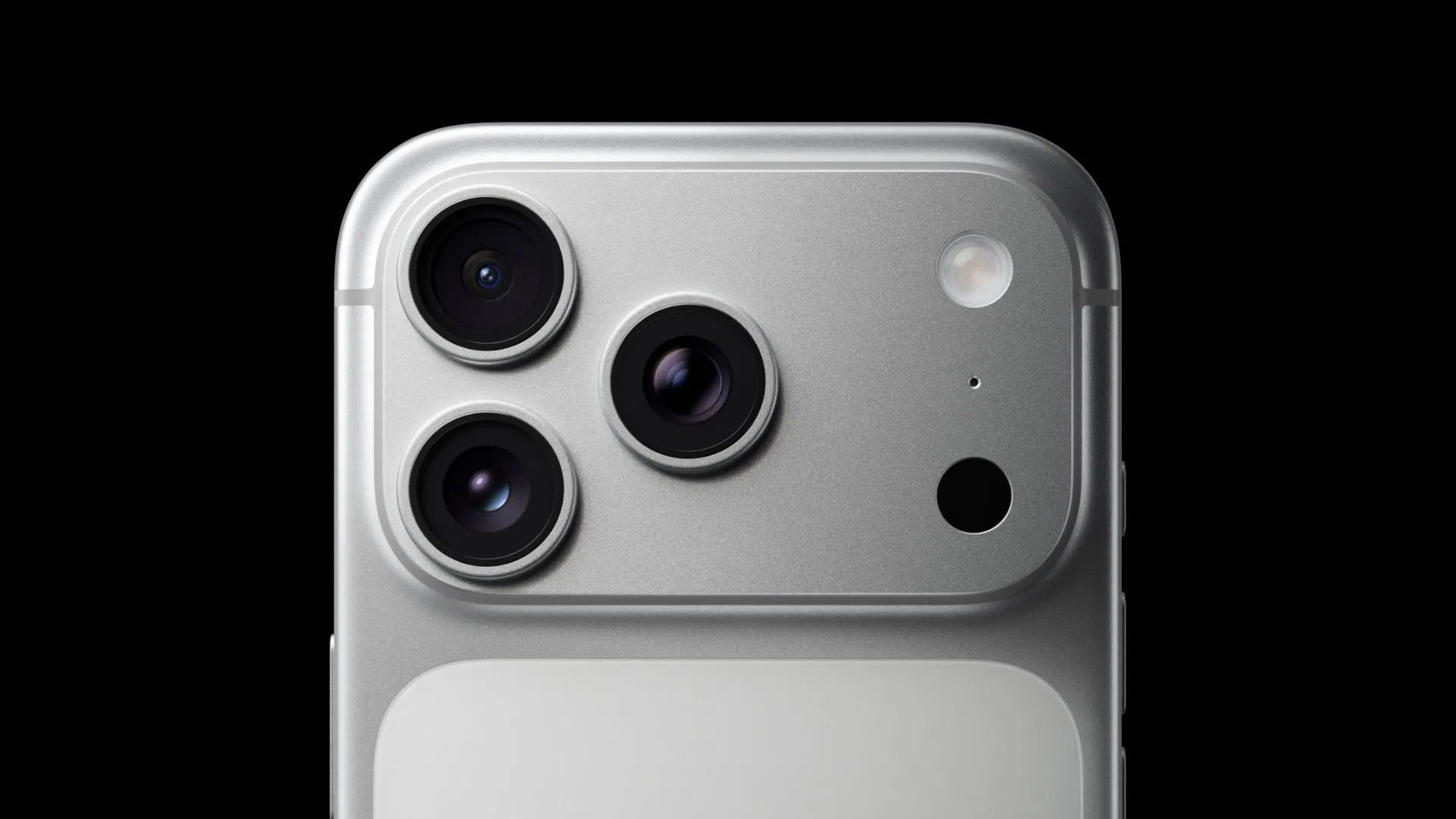
Apple’s next Pro iPhone cameras are shaping up to be a much bigger hardware story than a routine refresh. Ming-Chi Kuo says the iPhone 18 Pro and iPhone 18 Pro Max are being lined up for a major camera upgrade, and the most notable change is expected to be a variable aperture system.
That update would put the camera hardware closer to what is normally found in dedicated cameras. It also appears to come with a steep cost increase, with the component price for the new lens system said to be nearly 50% higher than the high-end 7P lens used in the current iPhone 17 Pro line.
Why variable aperture matters
A variable aperture lets a camera control how much light enters the lens based on shooting conditions. On current iPhone models, the camera uses a fixed aperture, which limits how much that light intake can be adjusted.
With a variable system, the lens can open wider in low light to capture more brightness. In stronger light, it can narrow the opening to keep exposure in check and help maintain more even sharpness across the image.
That kind of mechanism is common in standalone cameras, but it is still rare in smartphones. The reason is simple: it adds complexity to the design and raises production costs.
Kuo views this change as potentially the biggest camera upgrade for the iPhone 18 Pro. The appeal lies in targeting one of the main gaps between phone cameras and professional camera systems.
A more expensive camera stack
The premium variable aperture lens Apple is reportedly preparing for the iPhone 18 Pro and iPhone 18 Pro Max is not expected to be a minor component swap. Kuo says its average selling price is almost 50% higher than the current high-end 7P lens.
That figure suggests Apple is moving beyond software tuning and into a more expensive hardware direction. A variable aperture mechanism needs moving parts and precise adjustment inside a very limited space, which helps explain the higher cost.
The 7P lens already refers to a premium lens configuration used in higher-end iPhones. The next step would require more intricate engineering than the existing setup.
Sunny Optical’s expected role
Kuo also says Sunny Optical is expected to secure about 40% to 50% of the orders for the new camera hardware. If that happens, the company would become one of the key suppliers for the next generation of iPhone camera modules.
Supplier placement matters here because a variable aperture system demands very high manufacturing precision. Large order volumes would also make Sunny Optical a strategically important part of Apple’s move toward a more advanced camera design.
The supply-chain detail adds another layer to the rumor. It suggests the reported camera changes are not just about a new feature, but also about how Apple may reorganize its component sourcing for the Pro models.
A different path for iPhone photography
Apple has spent several generations improving iPhone photo and video quality through sensors, computational photography, and image processing. The reported variable aperture change would take the Pro line in a different direction by focusing on optical hardware itself.
That shift could improve low-light shots, give depth a more controlled look, and produce images that feel more natural. It would also fit Apple’s growing emphasis on professional-level photography and videography in the Pro lineup.
For users who care most about the camera, that could make the iPhone 18 Pro one of the more compelling upgrades in the series. Creators who want more natural control directly from the device may also find the change appealing.
For now, the information remains unconfirmed, but the combination of a major hardware upgrade and a sharp jump in component cost points to a camera overhaul that is being treated as more than a small refinement.