


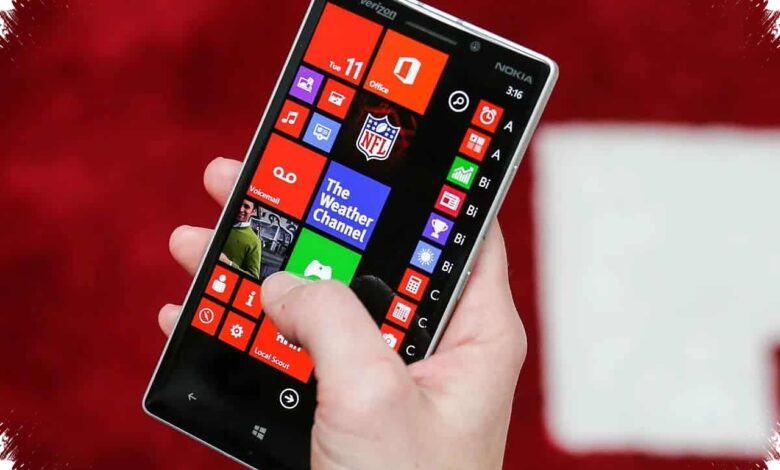
HMD Global is reportedly experimenting with an Android interface built around dynamic tiles, a design direction strongly associated with Windows Phone. The concept could give HMD a more distinctive visual identity in an Android market where many home screens now look broadly similar.
The possible appeal is not simply nostalgia for older Nokia devices. A tile-based home screen could surface updates and app shortcuts at a glance while retaining access to the modern Android application ecosystem.
A Different Way to Organize Android
Reports describe a layout with a Metro-inspired visual style, the design language closely linked to the Windows Phone era. Large, colorful tiles could organize information and shortcuts differently from the icon grids used by most Android launchers.
Windows Phone was known for bold typography, direct navigation, and tiles that could change to display updates. Those elements made the platform visually recognizable even though it eventually stopped competing in the smartphone market.
If HMD turns the idea into an Android launcher, the software would not require users to leave their existing app ecosystem. The main difference would be the way applications, quick updates, and key information appear on the home screen.
That distinction could matter for users who miss the look of Lumia phones but do not want to sacrifice Android app availability. However, the interface would still need strong customization options and reliable everyday usability to stand out beyond its visual appeal.
No Confirmation of a Product Release
The information has circulated through several X accounts that follow HMD developments, including smashx_60. HMD has not confirmed that the experimental interface will become the default software experience on a future device.
Important details remain unknown, including the final tile functions, supported devices, and any potential launch timing. For now, the reported interface should be viewed as an experiment rather than a confirmed product plan.
HMD would face a significant software challenge if it moves forward. Android users are familiar with mature interfaces from multiple manufacturers, so a different layout would need to remain intuitive instead of becoming a purely nostalgic feature.
Dynamic tiles would need to provide useful information without making the home screen feel crowded. Their value would depend on whether they offer quick access and clear updates while preserving the flexibility people expect from Android.
Nokia Heritage Shapes the Wider Strategy
The reported software experiment fits HMD’s broader effort to bring Nokia design character into modern products. The company is developing its own HMD brand while continuing to sell phones under a Nokia licence.
Its device design has already drawn attention for sharp shapes and colorful unibody styling. That visual approach is often connected with the Fabula design language seen on the Nokia N9 and several early Lumia models.
The HMD Skyline, in particular, is frequently compared with the Lumia 920 because of its squared silhouette, color choices, and overall character. These comparisons suggest that Lumia remains a useful visual reference for making HMD phones look different from mainstream Android models.
| Name | Reported or continuing relevance |
|---|---|
| Lumia | Inspires the tile interface and HMD device design direction. |
| Asha | Reportedly being explored for possible reuse. |
| PureView | Represents a camera legacy that could support HMD’s hardware identity. |
Gizmochina reported that HMD may also be considering the acquisition of Lumia trademarks and related patents from Microsoft. If that happens, it could create more room for Android devices that use Lumia-inspired branding and design.
The report does not mean a Lumia revival has been confirmed. Ownership of the name and related rights, however, could strengthen HMD’s ability to use an identity that still resonates with longtime Nokia followers.
Software alone would not be enough to support that strategy. HMD would also need competitive hardware, camera capabilities reminiscent of the PureView legacy, and designs that are durable and easy to repair.
A Windows Phone-style launcher paired with Android apps could become a meaningful differentiator if HMD executes it well. At this stage, though, the reported direction remains a rumor with no confirmed implementation details.