


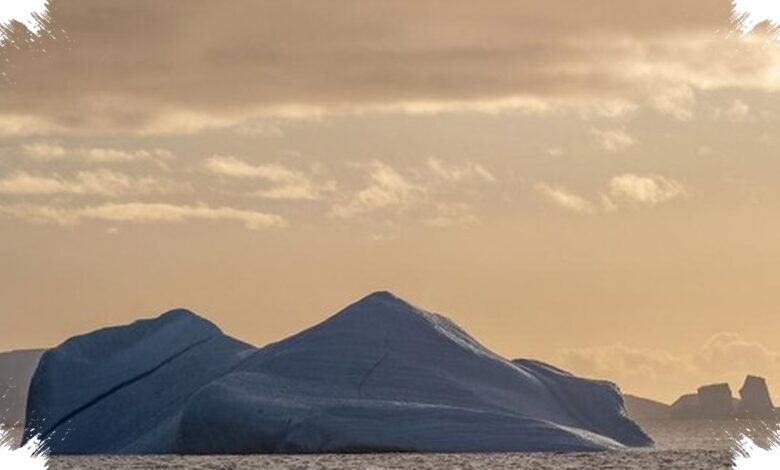
Earth recorded a 136.8°C temperature gap within the same period as Omidieh, Iran, reached 52.7°C and Concordia Research Station in East Antarctica fell to -84.1°C. The two readings underline how severe heat and exceptional cold can occur simultaneously in distant parts of the world.
The Concordia measurement was recorded on July 18, 2026, during the peak of the Southern Hemisphere winter. It became the lowest temperature measured anywhere on Earth since September 2012.
| Location | Temperature | Detail |
|---|---|---|
| Concordia Research Station, East Antarctica | -84.1°C | Recorded on July 18, 2026 |
| Omidieh, Iran | 52.7°C | Highest temperature recorded so far in 2026 |
| Vostok Station, Antarctica | -89.2°C | World record set on July 21, 1983 |
Despite its severity, the Concordia reading did not surpass the official world record for the lowest air temperature. The World Meteorological Organization, or WMO, still recognizes the -89.2°C reading recorded at Vostok Station on July 21, 1983.
Concordia also remained short of its own local record. CNBC Indonesia, citing Deseret News, reported that the -84.1°C temperature was only 0.5°C above the station’s -84.7°C low recorded in August 2010.
Why Concordia Becomes So Cold
Concordia is located deep inside the Antarctic continent at an elevation of more than 3,200 meters above sea level. Its inland position limits coastal influence, while its high elevation helps create conditions for deep freezing.
The station was also experiencing polar night when the reading was taken. During this period, the Sun does not rise for weeks or even months, leaving little direct solar heating to raise temperatures.
The air around the station is thin and dry, with few elements capable of retaining remaining heat. Ice surfaces can then release heat toward clear skies, allowing temperatures to fall further.
These conditions are very different from those across many areas of the Northern Hemisphere, where summer was underway. The seasonal contrast between the two hemispheres provides key context for the striking readings in Antarctica and Iran.
Winter Still Had Time to Deepen
The July reading did not mark the end of Antarctica’s winter season. Researchers expected temperatures around Concordia could still fall through the end of August before sunlight returns to the region.
That possibility does not mean the Vostok world record will necessarily be broken. However, it shows that the Antarctic interior can still produce exceptionally low temperatures during the 2026 winter.
The event is not inconsistent with the reality of Climate Change. Instead, the readings illustrate that Extreme Temperatures can develop at the same time in different regions under very different geographic and seasonal conditions.
The -84.1°C observation at Concordia Research Station highlights the distinctive climate of the Antarctic plateau. Its elevation, dry air, remote inland setting, and prolonged darkness combine to produce some of the coldest conditions on Earth.