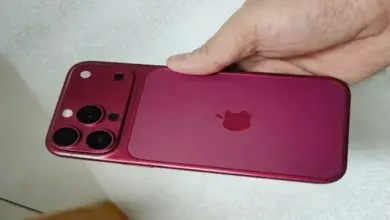
Apple’s first foldable iPhone is increasingly being shaped around one priority: durability. Recent information from Fixed Focus Digital points to a design built with a liquid metal hinge and a titanium frame, both aimed at the weakest points that usually define foldable phones.
That focus matters because the hinge and the display crease remain the two areas most often associated with long-term wear on foldable devices. Apple appears to be approaching the category by trying to make those weaknesses less visible in daily use rather than simply chasing a folding design.
Liquid metal for the hinge
The hinge is said to rely on liquid metal, also known as bulk metallic glass alloy. Its non-crystalline atomic structure is described as giving it greater elasticity and strength than conventional metals.
In practical terms, that choice is meant to keep the hinge tight and smooth even after thousands of folds. It is also linked to efforts to reduce the visible crease that often appears on foldable screens.
For a device that will be opened and closed repeatedly, hinge stability is central to the overall experience. Apple’s reported material choice suggests the company wants the mechanism to hold up over long-term use without becoming loose or uneven.
Titanium to balance strength and weight
Alongside the hinge material, Apple is also reported to be using titanium alloy for the frame. The goal is to keep the body strong without adding too much weight.
That balance is especially important for a foldable phone, where sturdiness and comfort have to coexist. A device that feels too heavy can undermine usability even if its structure is solid.
The reported emphasis on mechanical durability shows that Apple is not only designing around the folding form factor. It also appears to be focusing on how the phone will feel in real daily use over time.
Prototype testing is already underway
Several reports say Apple has already sent prototype units to carriers in multiple regions. That move is seen as a sign that the foldable project has entered its final testing phase.
If the development path continues as rumored, the device could reach the market around late 2026 or early 2027. For now, however, the information remains at the level of rumor and leak.
The device is also said to feature a 7.8-inch main display and a 5.5-inch cover display. Under the hood, it is expected to use an A20-series chip and Apple’s C2 modem.
Biometrics may change with the new design
One of the most discussed questions around the foldable iPhone is biometric authentication. Many reports believe Apple may have to give up Face ID because the technology is difficult to fit into an extremely thin body.
Touch ID is therefore being discussed as a possible return. The most commonly mentioned option is a sensor built into the side button so authentication remains convenient whether the phone is folded or unfolded.
Taken together, the leaks suggest Apple is treating its foldable iPhone as a durability-first product. The hinge, frame weight, and everyday handling experience appear to be the main design pressures shaping the device so far.
-

-

-

-