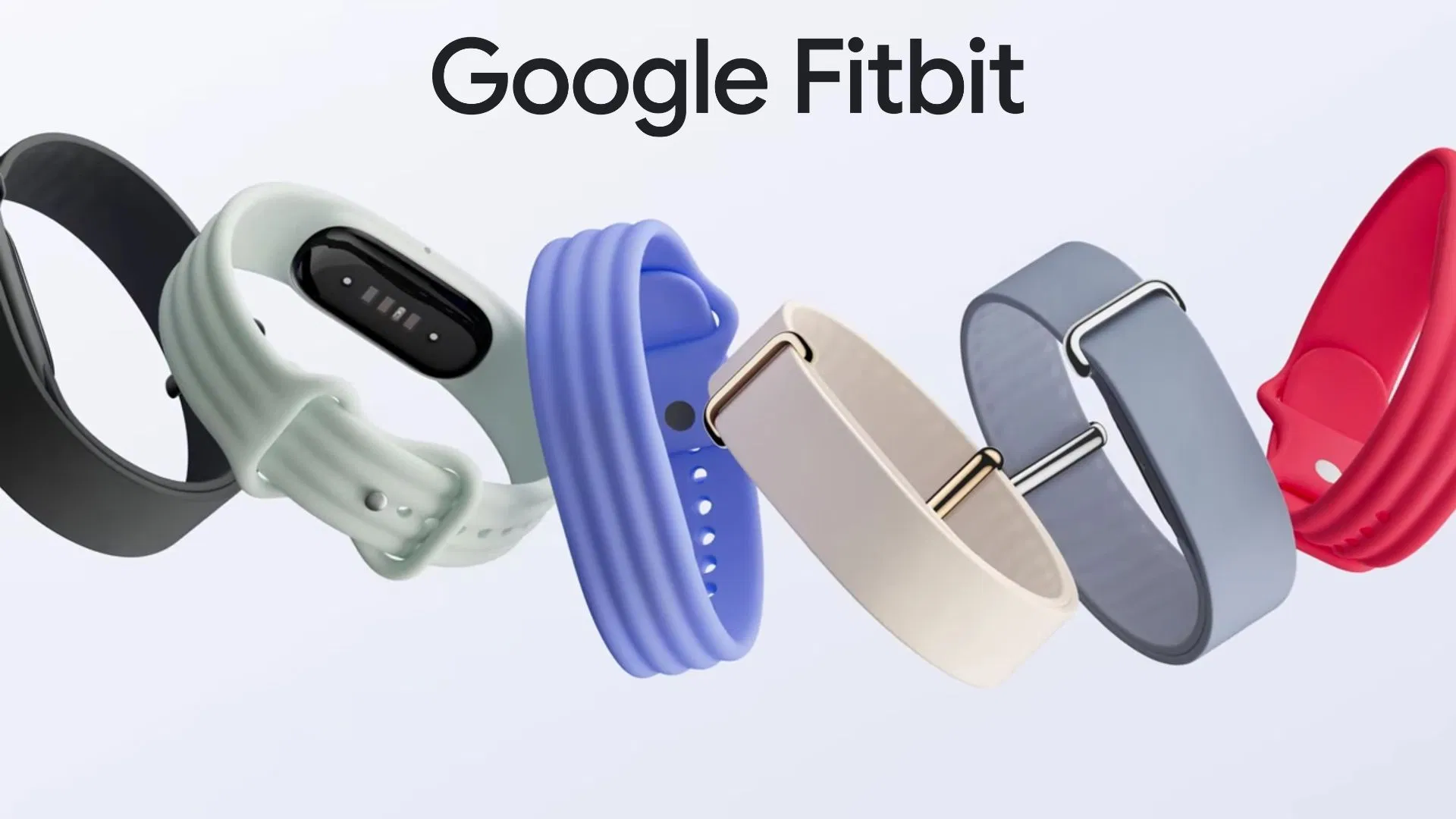
Google’s latest Fitbit Air leak suggests the company is preparing a wearable that works less like a fixed fitness band and more like a modular platform. The CAD images point to a lightweight, screenless device built around a removable tracking core, with accessories meant to be part of the product story from the beginning.
That approach stands out because Google is also said to have shared key technical images and core specifications for Fitbit Air. Instead of keeping the design tightly closed, the company appears to be laying the groundwork for a broader accessory ecosystem before the device reaches the market.
A modular pebble at the center
The most important detail in the leaked technical material is the “pebble” concept. Fitbit Air’s main tracker module can be detached from the band and moved into other compatible accessories, which gives the device a much more flexible identity than a traditional wrist-worn tracker.
This makes Fitbit Air closer to a reusable core than to a single finished form factor. Rather than staying locked into one style of wear, the tracker is designed to move between setups while still handling the same fitness-tracking role.
Google also appears to be emphasizing weight reduction and the absence of a display. That combination places Fitbit Air in a different position within Google’s wearable lineup, especially for users who care more about tracking functions than about having a visual interface on the wrist.
Technical details meant to enable accessories
The CAD package does more than show the outer shell of the device. It also includes measurements, dimensions, and fitting requirements so that compatible accessories can be built with the right tolerances and the device can function as intended.
That level of detail matters because the tracker must be inserted into bands and sleeves without blocking or disturbing the sensors. Google’s documentation makes clear that sensor placement is a core part of the design, not an afterthought.
By spelling out how the tracker sits inside different accessories, Google is effectively defining a platform. The hardware is being shaped to support different use cases, different styles, and potentially different mounting formats while keeping the tracking core intact.
Room for third-party builders
The most notable consequence of the public technical information is the opening it creates for outside creators. Accessory makers, independent designers, and even 3D printing enthusiasts now have a baseline for building compatible products.
That is unusual for a wearable product, especially one where physical design and mounting systems are so central to the user experience. Google is not keeping those details limited to internal development, but is instead making the dimensions and attachment rules visible enough for others to work from.
The result is a more open path for bands, sleeves, and alternative accessories. If that ecosystem develops, Fitbit Air could support more variation than a conventional fitness tracker that depends mainly on official add-ons.
What this could mean for users
For buyers, the leak points to personalization as a possible selling point. A modular tracker can support different accessory styles for exercise, everyday wear, or a more polished look, depending on what third parties choose to build.
The design could also extend beyond the wrist, although the final experience will depend on how accessory makers interpret the technical requirements. Even so, the modular structure makes Fitbit Air easier to adapt than a more traditional one-piece wearable.
Google also seems to be lowering the barrier for smaller accessory players. In a market where official add-ons often limit choice, shared design details can help broaden the range of products without requiring Google to build every variant itself.
That strategy also highlights a broader shift in how Fitbit Air is being presented. The device is not being framed simply as a tracker with a band, but as the core of a flexible wearable system where accessories may shape much of the user experience.
Source: tech.sportskeeda.com-
-
-

-