Apple is making Siri the centerpiece of its next software cycle, with iOS 27 and iPadOS 27 pushing the assistant closer to a true personal AI companion. The shift goes beyond voice commands and places more emphasis on context, awareness, and useful actions across the system.
At WWDC, Apple also introduced a dedicated app for Siri, a notable sign that the company is treating the assistant as a more serious part of the Apple Intelligence strategy. The update suggests Apple wants Siri to feel less like a command tool and more like a system-level assistant that can respond in a more natural way.
Siri becomes more context-aware
Apple says Siri now has a better understanding of personal context, which should make interactions feel more relevant to each user. The assistant is also said to be able to read what is on the screen and pull information from the web when needed.
That combination is designed to make Siri more useful in everyday tasks, rather than limited to short spoken prompts. It is one of the clearest signs yet that Apple wants Siri to evolve into a more capable AI layer across iPhone and iPad.
Liquid Glass gets a cleaner treatment
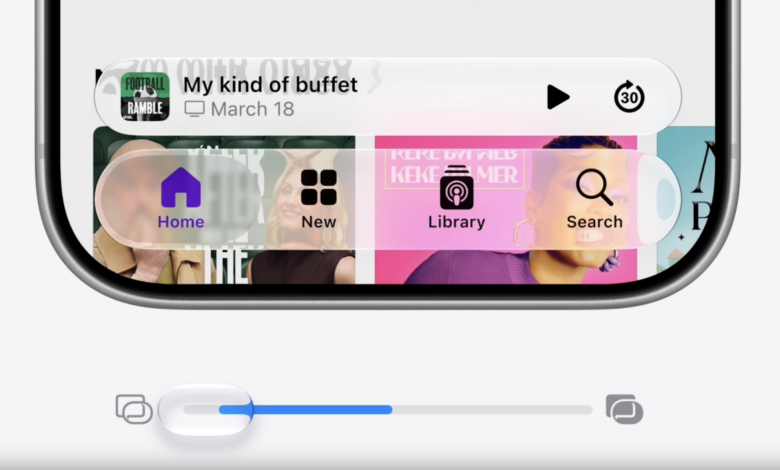
Apple did not limit the update to AI. The company also revised its Liquid Glass design language with a transparency slider, giving users more control over how the interface looks.
Apple says the interface now appears cleaner thanks to more consistent refraction and improved contrast. The changes are subtle, but they are aimed at making the system easier and more comfortable to use on a daily basis.
Performance gains are part of the pitch
Apple says apps can open up to 30% faster in iOS 27 and iPadOS 27. Photos are also expected to appear faster in the library, which should make browsing and managing media feel quicker.
AirDrop is one of the biggest beneficiaries, with Apple claiming transfers can be up to 80% faster than before. The company also points to smoother switching between Wi‑Fi and cellular networks, although it has not gone into technical detail.
Smaller updates that may matter more than they look
Mail search is getting smarter, which should make message retrieval more relevant and efficient. VoiceOver also gains more detailed image descriptions, improving accessibility for users who rely on the feature.
Apple is adding automatic subtitle synchronization and translation as well. Another notable addition is full-resolution contributions to iCloud Shared Albums from Android and Windows users, a feature that may make mixed-device sharing much easier.
iPadOS 27 adds practical tools
On iPad, Apple is adding a tool that turns photo and video collections into customizable slideshows. Users can add transitions, music, and export options in one workflow, making it more useful for quick creative projects.
Calendar is also becoming more flexible through natural-language event creation and editing. For file handling, Apple says transfers to external storage devices can be up to five times faster, a change that should matter to users moving large files for creative work or archiving.
Not every device will get the same experience
Apple has made clear that not all features will arrive on every supported device. The more advanced Apple Intelligence features will require newer hardware, while broader improvements in design, speed, and everyday functions will still reach older iPhones and iPads that remain supported.
Developer builds are available starting today, with a public beta due next month and a wider release planned for later this year. For Apple, the headline may be AI, but many of the most noticeable gains in iOS 27 and iPadOS 27 are likely to come from the faster, cleaner, and more practical details.