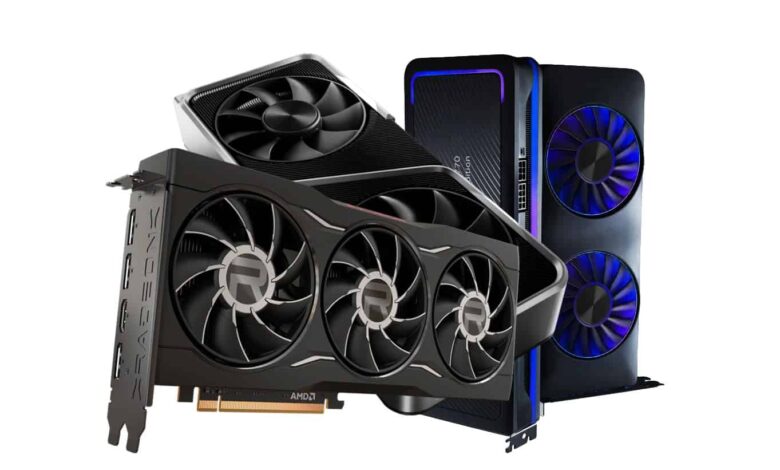
PC gamers may be facing one of the longest waits between major graphics card generations in years. New reports from the GPU supply chain point to next-generation gaming cards from Nvidia and AMD landing in late 2027, with some signs now stretching into early 2028.
If that timeline holds, the usual two-year rhythm of the discrete GPU market would be badly disrupted. Buyers who have been holding off on upgrades for the next big jump in performance may need to rethink their plans.
A delayed cycle that changes upgrade decisions
The latest signals suggest that both major GPU vendors could miss the launch window that many in the market had expected. In practice, that means the gap between generations could approach three years, a rare pause for desktop gaming hardware.
For consumers, the impact is not limited to first-time buyers. It also affects users who normally wait for a new architecture before replacing an older card, especially when the expected performance leap is uncertain.
AMD RDNA 5 may arrive later than hoped
According to Tweakers, a technology outlet in the Netherlands, board partners present at Computex 2026 believe AMD’s next gaming GPU family, RDNA 5, has slipped beyond the traditional schedule. Their estimate places the launch in the second half of 2027.
One source cited in that reporting was even less optimistic. That view suggested the more realistic window is late 2027 or early 2028, which would push the wait even further.
Nvidia is facing a similar timing question
Nvidia has not formally announced its next GeForce gaming generation, but industry expectations now place its Rubin-based gaming GPUs in a similar timeframe. If that prediction proves accurate, both leading discrete GPU brands would be moving later than the market has usually seen.
That would remove a familiar cadence that has long shaped purchasing habits in the PC gaming space. It would also make product planning more difficult for users who track release cycles closely before deciding whether to upgrade now or later.
Why the schedule may be slipping
One of the biggest reasons being discussed is pressure on memory supply and the surging demand for AI hardware. High-bandwidth memory is in heavy demand for AI accelerators, which means production capacity is increasingly being directed toward data center and enterprise products.
Those products are also said to generate much stronger margins than consumer gaming GPUs. As a result, chip and memory suppliers have more incentive to prioritize AI-oriented hardware when allocating limited resources.
That imbalance helps explain why gaming launches could move further out than the market expected. When key components and manufacturing capacity are tied up by AI demand, there is simply less room to accelerate consumer graphics card refreshes.
What it could mean for the market
A longer wait could reshape the way PC gaming customers buy hardware. Some may choose to purchase current-generation cards sooner rather than continue waiting for a release that now appears less certain.
At the same time, the delay could give AMD and Nvidia more time to develop more meaningful architectural changes. That could result in a larger performance jump when the next products do arrive, although that remains speculation for now.
Board partners remain important signals in this discussion because they sit close to the end-product pipeline. When several of them start pointing to the same launch window, hardware watchers usually take the warning seriously.
Still, those estimates are not the same as an official product announcement. Until AMD or Nvidia confirms timing directly, the current outlook should be treated as industry rumor rather than final schedule.
What is known so far
The most consistent detail across the reports is the broad timeframe. AMD’s RDNA 5 is being discussed for the second half of 2027, while some sources consider late 2027 or early 2028 more realistic.
Nvidia appears to be on a comparable path for its next GeForce gaming line. If both companies follow that direction, the PC GPU market would enter an unusually long pause between major consumer launches.
For now, the market remains shaped by the same larger pressure that has been influencing the hardware industry for some time: competition for memory and production capacity from AI systems. Until that demand eases, gaming GPUs may continue to sit lower in the priority queue.