Flagship phone prices in 2027 may rise again, and the pressure is now coming from a broader set of hardware costs. A recent leak from Weibo tipster DCS suggests that even the entry point for premium models is moving higher, with China pricing for a 12GB RAM and 256GB storage base variant starting at ¥4,999.
The most expensive model in the same expected lineup could reach ¥8,999. That would place the upper end of the next flagship generation well beyond the starting levels many buyers have become used to.
Five expected price tiers
DCS outlined a five-step pricing structure for the next flagship series in China. The standard model based on 3nm is said to begin at ¥4,999, while another standard variant using 2nm could move up to ¥5,499.
Above that, the Pro model is tipped at ¥5,999. The Pro Max is expected to sit at ¥6,999, and the Ultra could top the list at ¥8,999.
What is driving the increase
The leak is not presented as a random guess. DCS based the projection on earlier price changes across several models, including the pattern seen in Find X8s, Find X9, X200s, and X300.
In those cases, the increase from semi-iterative models to major iterations usually landed in the ¥100 to ¥300 range. But one recent launch changed the picture and made the next jump look more severe.
| Model | Price |
|---|---|
| Find X8s | ¥4,199 |
| Find X9 | ¥4,399 |
| X200s | ¥4,199 |
| X300 | ¥4,399 |
| X300s | ¥4,999 |
X300s, described as a semi-iterative release, launched this year at ¥4,999. From that point, DCS expects the next iterative model to start at ¥4,999 at minimum, with room for a higher entry price.
Chip and memory costs are the real warning sign
One major reason for the upward pressure is chip manufacturing. Qualcomm is reported to be paying TSMC about 24% more for newer chips, a jump that directly affects flagship hardware costs.
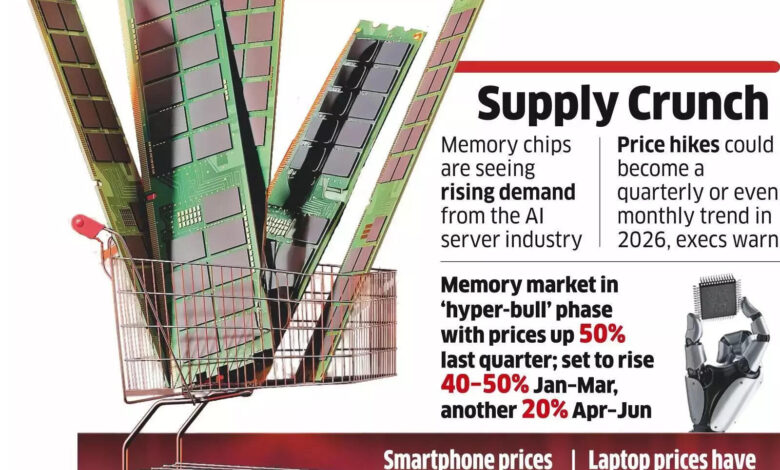
Memory is also becoming more expensive. DRAM LPDDR5X prices have already risen by 5%, and more increases are still expected.
The situation is being made worse by supply shifts toward high-bandwidth memory used in AI infrastructure. As more production capacity moves in that direction, smartphone supply is tightened and costs are pushed higher.
The market is already feeling it
This is no longer just a future concern. Several brands have already raised prices in India, citing similar pressure from component costs.
OnePlus, Nothing, and Xiaomi are said to have increased prices by ₹1,000 to ₹5,000. That shows the impact of rising chip and memory costs is already reaching retail pricing across more than one segment.
For flagship phones, the effect could be even clearer because premium devices usually adopt the newest components first. When chips, DRAM, and storage all rise at the same time, high-end models are the most likely to absorb the increase.
Still, the DCS figures remain a leak rather than an official announcement. They should be treated as estimates, although they are supported by recent pricing patterns and by the current strain in the supply chain.
If these pressures continue, buyers waiting for 2027 flagships may need to prepare for a higher starting price than they see today. The next question is whether major brands will absorb part of the added cost or pass it straight to consumers.