


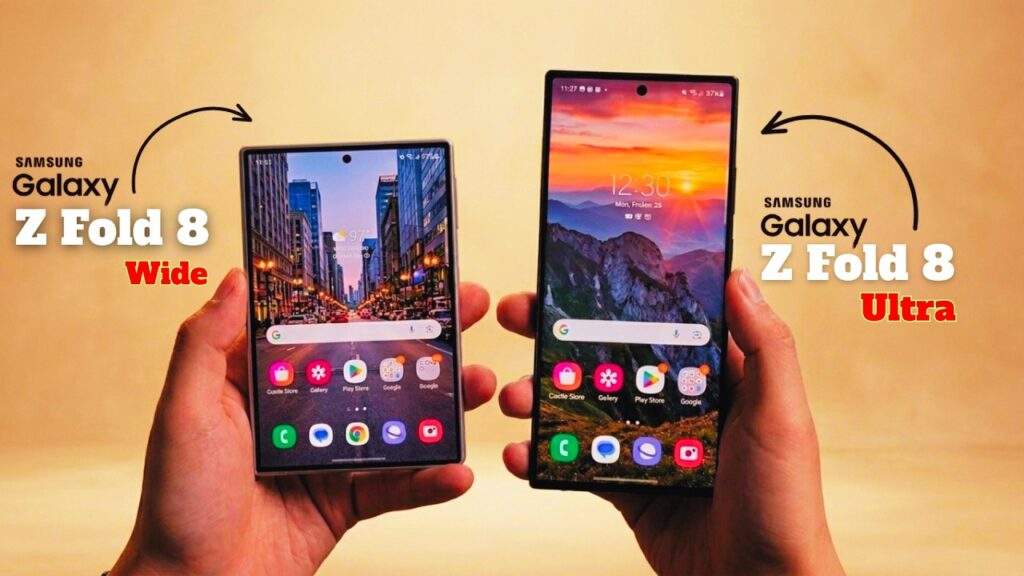
Samsung appears to be splitting its next foldable strategy in an unusual way. The upcoming Galaxy Z Fold8 wide is reportedly set to use thicker ultra-thin glass than the Galaxy Z Fold8 Ultra, and that difference could make the wider model look cleaner on the inside.
The key detail is the cover layer over the flexible display. According to the report, the Galaxy Z Fold8 wide will use 60μm ultra-thin glass, while the Galaxy Z Fold8 Ultra will keep 45μm glass, the same thickness Samsung is said to use on the current Galaxy Z Fold7.
Why the wider model could look better
That extra thickness matters because ultra-thin glass plays a central role in how foldable screens behave. It helps protect the AMOLED panel and can also reduce the appearance of the crease that runs across the middle of the display.
In practical terms, the 60μm layer on the Fold8 wide could make the screen fold line less visible than on the Ultra model. For foldable phone buyers, that is a meaningful difference, since the crease remains one of the most closely watched weaknesses in the category.
But thicker glass also brings trade-offs
A thicker UTG layer is not a simple upgrade. In general, ultra-thin glass becomes less flexible as it gets thicker, which can make repeated folding more demanding on the material.
That means Samsung may be balancing visual improvement against long-term mechanical stress. A cleaner-looking display could come with tighter durability considerations, especially after many open-and-close cycles.
| Model | UTG Thickness | Reported Implication |
|---|---|---|
| Galaxy Z Fold8 wide | 60μm | Potentially less visible crease |
| Galaxy Z Fold8 Ultra | 45μm | More established and more flexible approach |
| Galaxy Z Fold7 | 45μm | Same thickness as the Fold8 Ultra |
Samsung is testing two directions at once
The split suggests Samsung is not applying a single formula across the Fold8 line. Instead, it seems to be testing different material priorities for different models, rather than treating the wide and Ultra versions as near-identical twins.
The Galaxy Z Fold8 Ultra is described as a taller device that keeps the 45μm layer, which may help preserve flexibility even if the crease remains slightly more noticeable. The wide model, meanwhile, appears to be the one Samsung is using to push crease reduction further.
A possible preview of future foldables
The report also says Samsung is monitoring how the 60μm glass performs on the Fold8 wide. If the results are positive, the company may consider using that material on a future Galaxy Z Fold8 Ultra successor in 2027.
That would make the Fold8 wide more than just another variant in the lineup. It could become an important test bed for the next stage of Samsung’s foldable display development, especially if the company decides the thicker glass delivers a better overall balance between appearance and durability.
Samsung is expected to introduce the Galaxy Z Fold8 wide, Galaxy Z Fold8 Ultra, and Galaxy Z Flip8 in July, giving the company a chance to show how far it wants to push foldable design in different directions at the same time.
For now, the most intriguing part of the story is the contrast itself. The model with the wider shape may end up offering the cleaner screen, while the Ultra keeps the more familiar glass setup that Samsung has already been using.