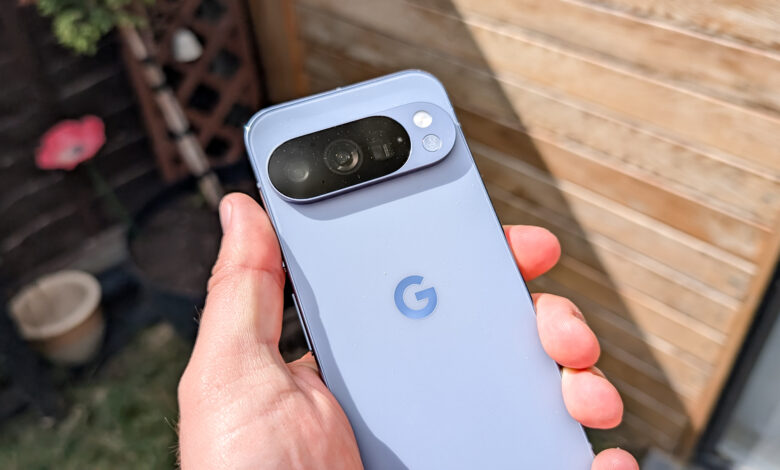
Google’s Pixel 11 Pro lineup appears to be aiming at two long-running complaints at once: unstable cellular reception and excess heat. If the latest leaks are accurate, the company is preparing a more meaningful hardware shift than a routine yearly refresh.
The biggest change centers on connectivity. Multiple leaks, including reports attributed to Abhishek Yadav (@yabhishekhd) and Saurav (@Saurav_DJ47) on X, suggest Google may move away from Samsung’s Exynos modem and adopt the MediaTek M90 instead.
Modem and chipset changes could reshape the experience
That rumored switch matters because network reliability has been a frequent criticism of some Pixel phones. A move to MediaTek M90 would put the spotlight on whether Google can finally deliver steadier 5G performance in its flagship models.
The other major upgrade is said to be Tensor G6, which is rumored to use TSMC’s 2nm process. That combination is expected to improve power efficiency and thermal control, two areas that have also drawn attention in previous Pixel generations.
An early Geekbench listing believed to be linked to Tensor G6 adds another detail: a 7-core configuration with a maximum boost speed of 3.38 GHz. While early benchmark data rarely tells the full story, it does suggest Google is pursuing a different performance profile for the next Pro phones.
Two Pro models, two familiar display sizes
The display setup appears more straightforward. The Pixel 11 Pro is reportedly set to use a 6.3-inch LTPO OLED panel, while the Pixel 11 Pro XL is said to feature a larger 6.8-inch LTPO OLED screen.
Both panels are expected to support a variable refresh rate from 1 Hz to 120 Hz. In practical terms, that means the screen can slow down for reading or viewing static content and ramp up for scrolling or gaming.
Leaked details also point to a peak brightness of 2,450 nits on both models. The panels are additionally said to support 240 Hz PWM, which should help reduce flicker and improve viewing comfort for sensitive users.
Camera hardware remains closely matched
On the imaging side, the Pixel 11 Pro and Pixel 11 Pro XL are expected to share the same rear camera setup. Reported hardware includes a 50 MP main camera, a 50 MP ultrawide camera, and a 48 MP periscope telephoto lens.
Google is also said to be preparing AI-based improvements to image processing. The exact features have not been detailed, but the direction remains consistent with Pixel’s established focus on computational photography.
Keeping the same camera package across both Pro models suggests Google may reserve the meaningful differences for size, battery capacity, and perhaps handling rather than imaging hardware. For buyers, that could make the choice between the two models simpler.
Battery, charging, and security details
The Pixel 11 Pro is rumored to carry a 5,000 mAh battery, while the Pixel 11 Pro XL may step up slightly to 5,100 mAh. Both phones are also expected to support 45 W wired charging.
Leaked information further points to Qi2 support and PixelSnap magnetic charging. If confirmed, that would align Google with the growing appeal of magnetic accessories while also improving day-to-day charging convenience.
Security is reportedly handled by the Titan M3 chip, which is designed to protect the device and user data against boot-related threats, hardware attacks, and other risks. That would continue Google’s established approach to on-device security.
Software support stays long-term
According to the leaks, both phones are expected to run Android 17 and receive software updates for up to seven years. That kind of support has become one of the strongest selling points in the flagship market.
For now, Google has not confirmed these specifications. Still, the overall picture suggests the Pixel 11 Pro series may be less about chasing flashy upgrades and more about fixing the fundamentals that matter most in daily use.