Apple is reportedly preparing one of its most ambitious product refresh cycles in years, with 2027 shaping up as the center of gravity. The lineup could be led by a radically redesigned iPhone anniversary model, while AirPods may gain a camera to support more context-aware AI features.
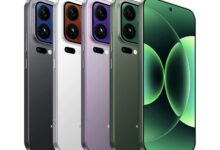
The biggest attention is going to the 20th-anniversary iPhone, which is said to move away from the flat-screen look that defines the current lineup. Reports point to an edge-to-edge display with curved glass wrapping around the sides of the device, a visual shift that would mark one of Apple’s boldest design changes in years.
That redesign may be more than cosmetic. If Apple follows through, the anniversary model would act as a new milestone for the product line rather than just another annual upgrade, signaling a clear break from the familiar iPhone formula.
A new hardware push around AI
According to Bloomberg’s Mark Gurman, the anniversary iPhone is being developed under the codename V73 and V74. The models are expected to succeed the iPhone 18 Pro and iPhone 18 Pro Max, and they are also reported to use Apple’s A21 chip built on a 2nm process.
That combination suggests Apple is planning a major jump in both design and core components for its higher-end phones. The company appears to be pairing a new visual identity with a deeper hardware refresh aimed at the Pro tier.
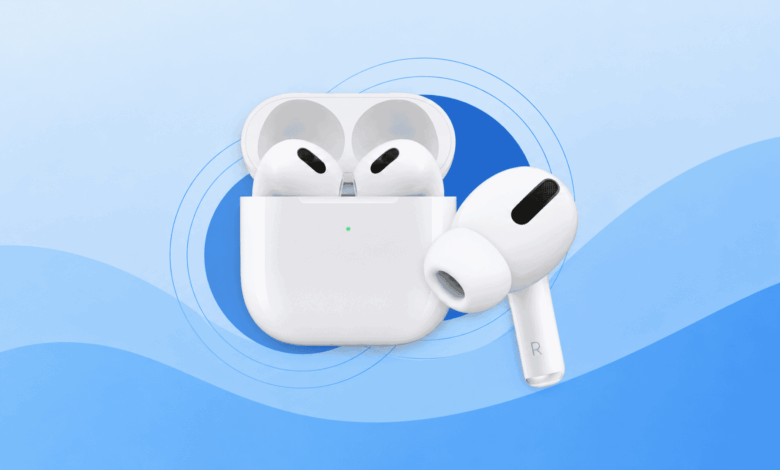
Apple’s AI strategy may become even more visible outside the iPhone itself. The company is also said to be working on AirPods with a built-in camera, although the camera would not be used for photography in the usual smartphone sense.
Instead, the camera would feed Apple’s Visual Intelligence features. In practice, that could let users ask Siri context-based questions about objects, places, or surroundings without taking out an iPhone.
One example given in the report is a user looking at ingredients in a kitchen and asking Siri for recipe ideas based on what the system detects. That use case points to Apple’s broader aim of making its devices more aware of the physical world around them.
AirPods with camera support, but not for photos
The camera-equipped AirPods are said to retain a design similar to current AirPods Pro models. Apple may add indicators to alert people nearby when visual data is being processed, underscoring the privacy implications of a wearable camera.
The device carries the internal codename B798. It was reportedly planned for an earlier launch, but development was delayed by slower progress on advanced Siri work and Apple’s computer vision systems.
That delay highlights a bigger point: Apple’s next wave of hardware depends heavily on software readiness. For products like camera AirPods to matter, Siri and the underlying visual processing tools need to be mature enough to support them.
More devices are in the pipeline
The company is also said to be preparing a second-generation foldable iPhone, codename V78. That would make the foldable category part of a continuing product strategy rather than a one-off experiment.
Beyond phones, Gurman says Apple could also launch smart glasses to challenge Meta’s products, potentially as soon as this year. Those glasses are described as having more advanced cameras for capturing photos and video.
Apple is also reportedly exploring another AI-focused wearable in the form of a pendant with a camera. Together, these projects point to a much broader push into devices that can sense and interpret the world around the user.
All of these products are said to be under testing alongside iOS 28, which carries the internal codename Bell. That software layer may become the foundation for Apple’s next major product wave if the hardware plans stay on track.
For now, Apple has not confirmed the lineup publicly. Still, the reports suggest the company is moving toward a future where design changes, visual sensing, and AI features are being developed as one connected system rather than separate upgrades.