A new Geekbench leak has pushed Steam Machine back into the spotlight, and the early numbers are already drawing comparisons with the PlayStation 5 and Xbox Series X. The most talked-about result is its single-core score, which is said to outperform both consoles in that specific test.
That is enough to fuel speculation, but it is not enough to deliver a final verdict. Geekbench can hint at processing strength, yet it does not fully capture how a device will behave in real games or under heavier mixed workloads.
What the leak suggests
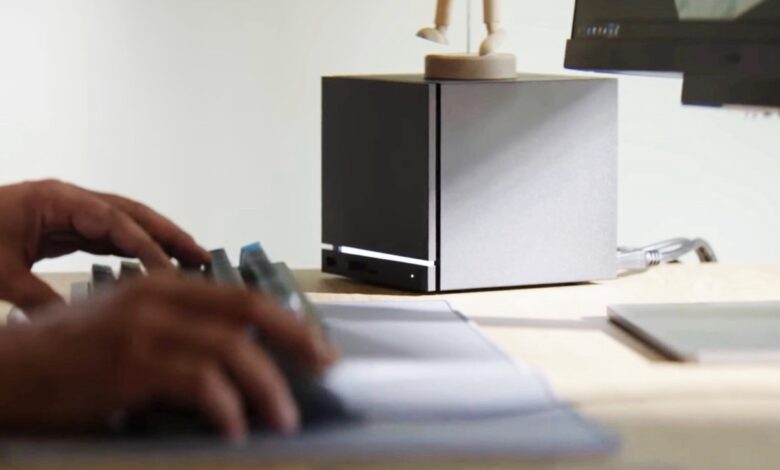
The benchmark information was shared by leaker eXtas1stv on X, adding another layer of attention to a device that has long attracted curiosity from PC and console gamers alike. According to the same leak, an early test unit is already in the hands of gaming media, which could mean hands-on coverage and deeper analysis are not far away.
That detail matters because it suggests Steam Machine has moved beyond a purely experimental stage. It also points to Valve continuing to refine both the hardware and the software stack as it edges closer to a more complete final system.
Single-core strength, but the full picture is still incomplete
The headline-grabbing part of the leak is the reported single-core performance, which is said to sit ahead of the PS5 and Xbox Series X. In practical terms, that may indicate strong responsiveness in certain tasks where one core carries more of the workload.
The multi-core result is less dramatic. Steam Machine is reportedly still behind in that area, although the gap is described as smaller than the difference seen in single-core performance.
There is still one major unknown: GPU performance. Without clear information on graphics capability, it remains difficult to judge how well Steam Machine could handle demanding AAA games in a living-room setup.
Why Valve’s approach is drawing interest
Valve’s reported focus appears to go beyond raw hardware numbers. The leak points to a tighter relationship between hardware tuning, operating system optimization, and the broader Steam ecosystem, which is often where gaming devices succeed or fail.
That is why the benchmark result has triggered so much discussion. If the device translates its processing strength into a smooth and stable gaming experience, it could become a serious contender in a space long shaped by major consoles.
For now, though, the conversation remains in leak territory. Valve has not made a formal confirmation in the information currently circulating, so the safest reading is to treat the benchmark as a promising early signal rather than a finished assessment.
Why the comparison with consoles matters
Steam Machine draws attention not just because it carries the Steam name, but because it sits at the intersection of PC gaming flexibility and console-style convenience. That combination is what makes every performance leak feel more consequential than a standard spec rumor.
The idea of a potential “console killer” tends to emerge only when there is both strong hardware and a credible ecosystem behind it. The current leak offers the first part of that equation in an encouraging way, but the second part will only be proven once more complete testing becomes available.
For now, the key question is simple: can the early single-core advantage survive contact with real-world game performance? The answer will likely depend on the GPU, the final software optimization, and the quality of the early media testing that is expected to follow.