Rising prices for new smartphones are pushing more Indonesian buyers toward used phones, but the shift has also widened the gap between a smart bargain and a costly mistake. In a market that is moving fast through e-commerce and marketplace channels, caution matters more than ever.
The appeal is clear: a used device can save money and support a longer product life cycle, which aligns with the growth of the circular economy and efforts to reduce electronic waste. Yet the same digital market that offers more choice also gives dishonest sellers more room to operate.
Seller reputation is the first filter
A safe transaction starts with checking the seller’s credibility. On a marketplace, that usually means reviewing ratings, cumulative feedback, and a sales history with completed orders and few or no complaints.
That step matters because a polished listing alone does not prove reliability. A seller with a strong track record is far less likely to leave a buyer dealing with unresolved disputes after payment.
Photos can hide more than they reveal
Buyers should not rely on attractive images alone. It is better to request original photos or videos from multiple angles to spot issues that are easy to miss in a staged listing.
Fine cracks on the panel, dead pixels on the display, and dents on the body can all point to deeper damage. A heavy impact may also affect the phone’s internal circuit components, even when the exterior still looks acceptable.
Battery health and replacement history deserve attention
Visual checks are not enough if the battery condition is unclear. Buyers should ask about battery health because capacity naturally declines over time with use.
Replacement history also matters. A screen or battery that was swapped with non-original parts can affect both daily performance and future resale value.
IMEI and account locks can turn into serious problems
Legal status should never be ignored, starting with the IMEI number. In Indonesia, the number can be checked through the official site of the Ministry of Industry to confirm whether the phone entered the country through legal channels.
If a device is not registered in the government database, it risks network blocking by all mobile operators in Indonesia. That makes an apparently cheap phone far more expensive in practice.
Software protection is another trap. On Android devices, Factory Reset Protection can lock the phone if a factory reset is not completed properly, while on iPhone, iCloud Lock can stop activation if the device is still tied to the previous owner’s Apple ID.
Accessories and payment method can signal risk
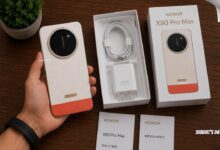
Original packaging, a charger, and a data cable are useful extras because they often suggest that the device was handled carefully. Original accessories also support safer charging in line with the factory’s voltage specifications.
The final risk is the payment route. Buyers are safer using the marketplace’s official escrow or a similar secure payment system, because funds are only released after the item is received and accepted as described.
Deals made outside the platform should be avoided, especially when a seller pushes a price that looks too low compared with the wider market. In a period of rising new-phone prices, the real saving comes from checking every detail before sending the money.