


Apple’s first foldable iPhone is now being tied to a familiar premium problem that still affects the category: the visible crease in the middle of the inner display. New leaks suggest the company is trying to attack that flaw head-on, and that effort may become the device’s biggest selling point.
The phone is widely described as iPhone Ultra, and early reports place it above the $2,000 mark. That would make it Apple’s most expensive iPhone yet and put it directly against the top tier of foldables already on the market.
A thinner hinge, a cleaner screen
What makes the device stand out is not only the price. Apple is said to be working on a very thin new hinge mechanism designed to make the fold line on the inner screen almost invisible.
That detail matters because even the best foldables today still show some level of crease, even if it has improved over time. If Apple manages to reduce that effect more successfully than its rivals, the screen experience could become the main reason people pay attention to the phone.
Leaks also point to a book-style design similar in approach to Samsung’s Galaxy Z Fold series. The goal appears to be a device that still feels like a normal iPhone when closed, then opens into something closer to a tablet.
What the design may look like
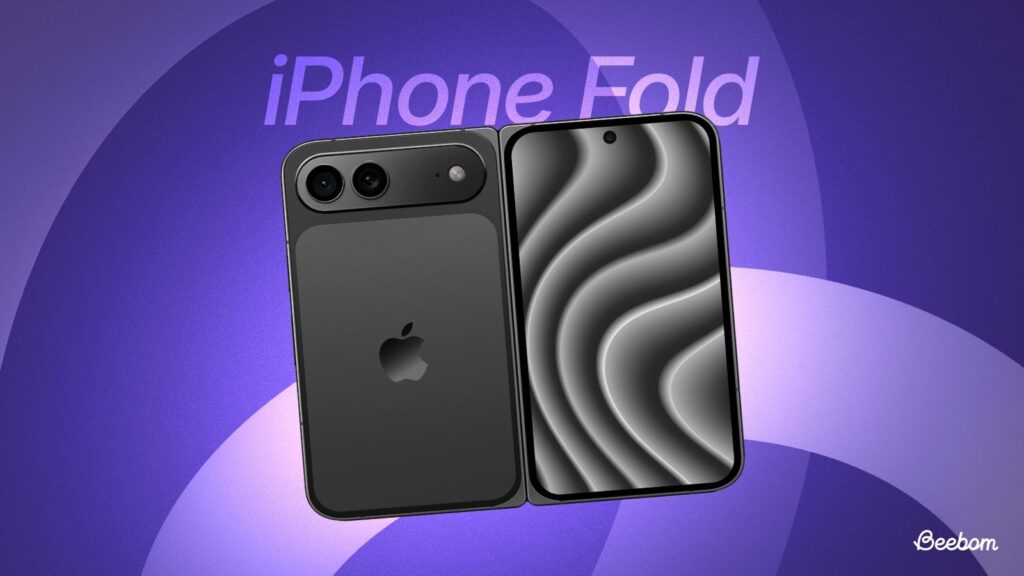
Early renders describe a wider format rather than an especially narrow body. The layout is expected to include a large inner display and a smaller cover screen, following the passport-like foldable style seen in other premium devices.
In its open state, the device is said to measure around 4.5mm thick. If accurate, that would place it among the thinnest foldables in the market.
At the back, the iPhone Ultra is expected to carry a horizontal camera module with two sensors. It may also include a dedicated Camera Control button, similar to the one Apple has added to recent iPhone models.
Rumored specifications and features
Several reports have pointed to a 7.8-inch inner display and a 5.5-inch outer display. Those sizes suggest Apple is aiming at productivity and entertainment rather than treating the device as a simple concept product.
On the performance side, Apple is said to be preparing the A20 Pro chipset for the foldable. The phone has also been linked to Apple’s in-house C2 modem.
Larger screens would likely be paired with new multitasking tools, and split-screen support has been mentioned in leaks. Another rumor says Touch ID could return on this model, although that remains unconfirmed.
Launch timing and market pressure
According to the circulating reports, Apple could unveil the iPhone Ultra alongside the iPhone 18 Pro and iPhone 18 Pro Max at a September event. If that schedule holds, the foldable would arrive right next to Apple’s main premium lineup.
The standard iPhone 18 and the next version of iPhone Air are said to come later. That points to a staggered launch strategy rather than a single broad release across the entire range.
Placing the foldable in the Pro launch window also signals Apple’s positioning. The company appears to want this model to land as a halo product, not as a cheaper experimental offshoot.
The challenge Apple is walking into
At more than $2,000, the iPhone Ultra would enter a crowded premium foldable segment dominated by Samsung, Google, Vivo, and OPPO. In that market, buyers care about hinge quality, durability, app optimization, and how the device feels in daily use.
That is why the rumored emphasis on hiding the crease makes strategic sense. In foldables, small physical details often matter as much as screen size or raw specifications, especially when the device is expected to justify such a high price.
For now, the device remains a rumor-driven project with no official confirmation from Apple. Even so, the direction is becoming clearer: Apple seems to be preparing a very expensive, very thin, book-style foldable that tries to solve one of the category’s most visible problems.