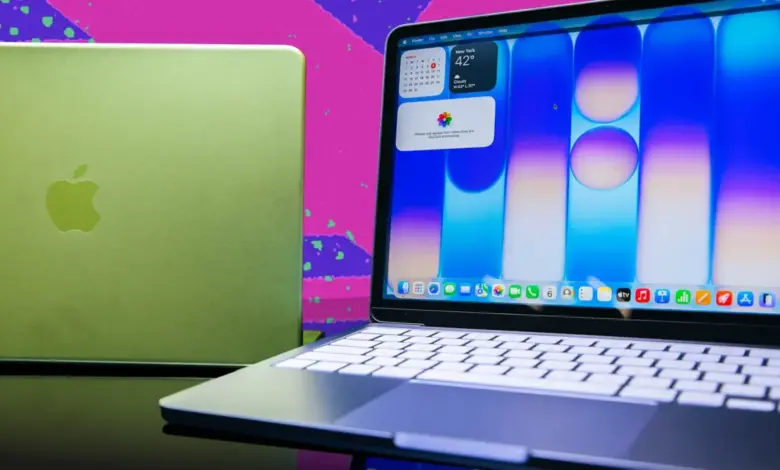
Apple is quietly facing a rare problem for a company known for holding the line on pricing. Rising component costs are now forcing adjustments across parts of the Mac and iPad lineup, and the pressure is coming from the AI boom rather than from a new product cycle.
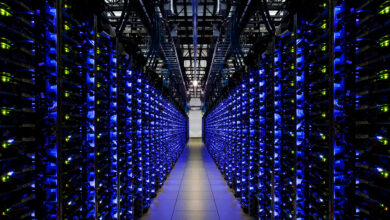
The sharpest strain is tied to memory and storage chips. As global demand for AI infrastructure accelerates, suppliers are directing more DRAM and NAND capacity toward enterprise customers, leaving less available for consumer electronics makers.
Why the cost pressure is building
DRAM and NAND sit at the center of this shift because both are essential in modern devices. With AI server builders buying large volumes of high-performance memory, prices have moved higher and supply for consumer brands has become tighter.
That has made it more expensive to build products such as Mac and iPad models. Apple was able to absorb some of the increase for a time by relying on existing inventory, but the company has now reached the point where continued absorption is harder to sustain.
Tim Cook has also warned investors that memory prices would start affecting the business more noticeably after the June quarter. The scale of the jump has reportedly been unusually fast, with Apple saying it has not seen component prices rise this sharply in such a short period.
Which products are already affected
The price movement is not uniform across Apple’s lineup. The changes mentioned so far touch several products, including MacBook Air, MacBook Pro, iPad Air, HomePod, and Apple TV.
One of the clearest examples is the MacBook Air with 512GB storage, which increased to 1,299 US dollars from 1,099 US dollars. The MacBook Pro with 1TB storage also moved higher, now listed at 1,999 US dollars instead of 1,699 US dollars.
In India, the impact has been even more visible on certain MacBook Pro configurations, where prices have climbed by as much as 50,000 rupees. Some MacBook Air and iPad models have also become more expensive there.
For now, the iPhone has not been included in the price changes. That makes the current adjustments more focused on Apple’s computing and home device categories rather than the company’s most visible smartphone line.
AI demand is changing the balance
The situation shows how AI is reshaping more than just data centers. Server operators need large amounts of advanced memory, and that demand is now competing directly with consumer device makers for the same supply.
TrendForce expects DRAM prices to surge by almost 98 percent in the first quarter of 2026, after already forecasting another rise of around 58 to 63 percent in the current quarter. Those projections suggest that the cost pressure is not easing anytime soon.
As long as AI investment remains strong, suppliers are likely to keep prioritizing enterprise orders. For electronics brands, that leaves fewer options beyond accepting higher input costs or passing part of the burden to buyers.
What this means for the wider market
Apple’s move may be an early signal for the broader consumer electronics industry. If a company with Apple’s scale and pricing power is adjusting its pricing, other laptop, tablet, and smartphone makers may face similar decisions.
For buyers, the change is a reminder that device pricing is being shaped by more than design updates or new features. Global supply conditions, especially the availability of memory chips, now play a much bigger role in the final retail price.
That makes the AI boom feel tangible far beyond server rooms and cloud infrastructure. As more chip supply is pulled toward AI hardware, everyday purchasers of laptops and tablets are beginning to feel the effect at checkout.