


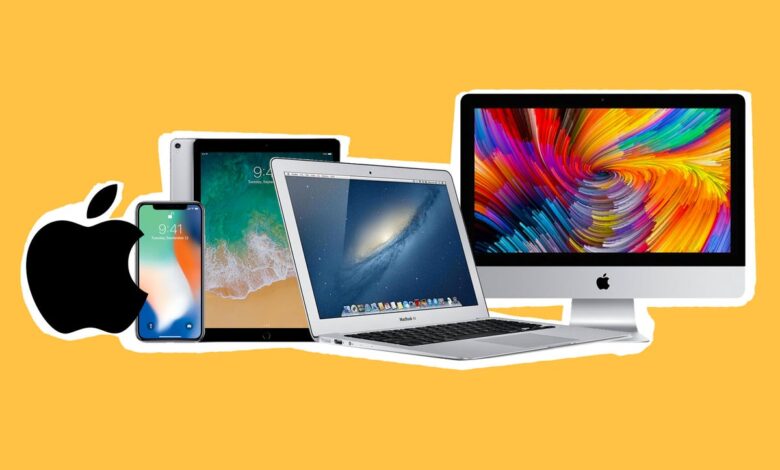
Apple’s latest price moves show a clear pattern: the company is already passing higher component costs into much of its lineup, while the iPhone has only been spared for now. MacBook, Mac desktop, iPad, and Vision Pro have already been affected, and even products with lighter memory needs such as Apple TV 4K and HomePod are feeling the pressure.
That restraint around the iPhone appears temporary. Apple has said rising memory and storage costs are driving the changes, and Tim Cook has previously warned that the company can no longer absorb those increases indefinitely.
Why The iPhone Still Looks Protected
Analysts see the iPhone as Apple’s most important pricing decision because it remains the company’s main business engine. Francisco Jeronimo of IDC described the device as Apple’s “cash cow,” noting that iPhone sales account for about 50% of the company’s total business.
That dependence helps explain why Apple is moving carefully. Keeping iPhone prices stable gives the company room to judge how much pressure consumers will tolerate before demand starts to weaken.
What The Next Price Move Could Look Like
Nabila Popal of IDC had earlier expected Apple to raise prices on some iPhone 18 models by $50 for the standard version and $100 for the Pro and Pro Max variants. After Apple’s recent increases on iPad and MacBook, she now sees a more aggressive outcome as possible.
Her updated view is that iPhone prices could rise by as much as $200, and she believes the Pro Max may climb even higher than originally expected. In her view, the era of $50 price bumps may be over.
| Product area | Current pricing pressure |
|---|---|
| MacBook, Mac desktop, iPad, Vision Pro | Already affected by higher component costs |
| Apple TV 4K, HomePod | Also affected, despite lower memory demand |
| iPhone | Still unchanged, but likely next in line |
Consumers May Absorb More Than Expected
Apple’s customer base is often considered less sensitive to price than users of many rival brands. Jeronimo said that loyalty, brand value, and the iPhone’s status effect can soften the impact of higher sticker prices.
Many buyers also use installment plans and trade-in programs, which can make a higher retail price feel less immediate. Even so, those buffers may not be enough if the next round of increases is as large as some analysts now expect.
A Broader Cost Shock Across Apple’s Lineup
The fact that Apple TV 4K and HomePod are also being affected suggests the problem reaches beyond premium devices with heavy memory demands. The pressure appears to be spreading across Apple’s product ecosystem as memory and storage prices surge.
According to Apple, the sharp rise in demand from rapidly expanding AI data centers has created an unprecedented spike in memory and storage costs. That leaves the iPhone looking less like an exception and more like a product waiting for its turn.
For now, Apple is holding the line on its most important device. But with costs rising across the lineup, the iPhone may soon face the same pricing test already hitting the rest of Apple’s hardware.