


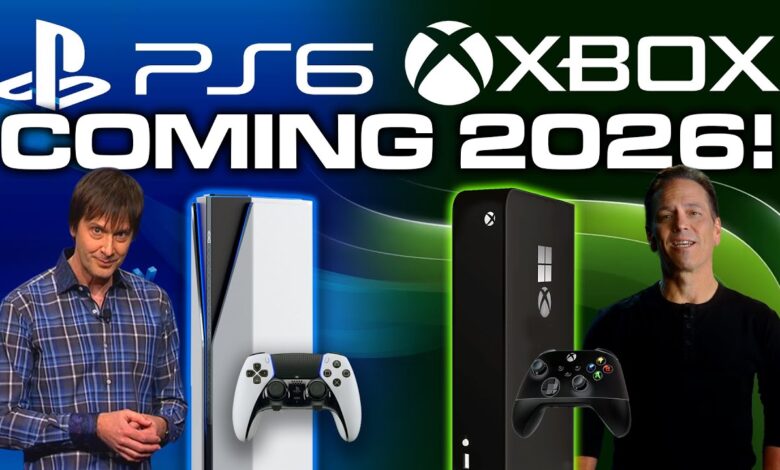
Pricing for the next wave of game consoles may be heading into unfamiliar territory. Micron’s new five-year deal has intensified concerns that PS6 and the next Xbox could lose one of their biggest advantages over gaming PCs: a more affordable entry point.
The pressure centers on memory and storage, two core components that modern consoles cannot do without. When those parts stay expensive for an extended period, manufacturers have less room to launch new systems at aggressive prices.
Why the cost outlook is getting worse
According to reports citing Micron CEO Sanjay Mehrotra, customers already understand that the memory and storage shortage will not ease quickly. He said industry supply may improve only gradually in 2028, while there is still no clear timeline for demand to be fully matched.
That matters because new consoles rely heavily on fast memory and fast storage. If supply remains tight and prices stay elevated, the bill for building new gaming hardware rises with it.
The effect is not limited to one platform. The same pressure could weigh on Xbox, PlayStation, and even the PC gaming market through at least 2030, since memory is a basic building block across most modern computing devices.
The impact is already visible today
Signs of strain are already showing in current hardware. Xbox has recently seen a global price increase, and its 2TB console line has reportedly been retired.
Microsoft is also said to be reconsidering Project Helix to avoid absorbing large losses. That shift suggests the hardware cost challenge is no longer theoretical and is already shaping business decisions.
On Sony’s side, reports have indicated that the company is delaying the PS6 launch and extending the PS5’s life because manufacturing costs have risen. Sony has also reportedly applied region locking to a more affordable disk-only PS5 variant in Japan, reflecting the economics of hardware pricing today.
PC gaming is feeling the same squeeze
Memory supply problems are also putting pressure on PC gaming. Valve has even launched a new small form factor gaming PC called Steam Machine with a price above $1,000, showing how difficult it has become to bring new gaming devices to market cheaply.
If memory prices stay high for long enough, the psychological ceiling for gaming hardware could shift. What once seemed too expensive for a base machine may gradually become normal.
That would be a serious issue for consoles, whose historic appeal has been accessibility for mainstream players. Once prices begin to approach the level commonly associated with expensive gaming PCs, the market risks narrowing toward a smaller audience of enthusiasts willing to pay more.
What Sony and Microsoft may do next
Rising component costs may force manufacturers to find new ways to make upfront pricing feel less painful. One of the most discussed answers is a bigger push into cloud gaming.
With graphics processing handled remotely, local hardware does not need to be as expensive or as powerful. Microsoft has already pushed Xbox cloud streaming more aggressively across different platforms, while Sony has so far kept cloud gaming mostly within PlayStation Plus Premium on PS5 and PS Portal.
Current memory market conditions could give Sony another reason to expand cloud access to more devices, including Windows PCs. That could help preserve broad access to games without relying entirely on expensive console sales.
Another possibility is a return to hardware subscription models. Programs such as Xbox All Access, which has now been discontinued, could become relevant again because monthly payments are often easier to accept than a very high full purchase price.
That approach would still bring logistical challenges and may not fit every market. Even so, in a hardware cycle dominated by rising component costs, subscription-based access may remain one of the few tools available to protect the mass market.
Developers are also likely to lean more heavily on software to offset hardware limits. Upscaling and AI upscaling technologies could become increasingly important for maintaining performance on lower-cost or mid-range devices.
Those tools do not solve the memory problem, but they can help slow the march toward ever-higher raw specifications. Until the memory market stabilizes, the future of PS6 and the next Xbox will depend not only on chip power, but also on how creatively Sony and Microsoft manage the cost of the parts that hold the industry together.