


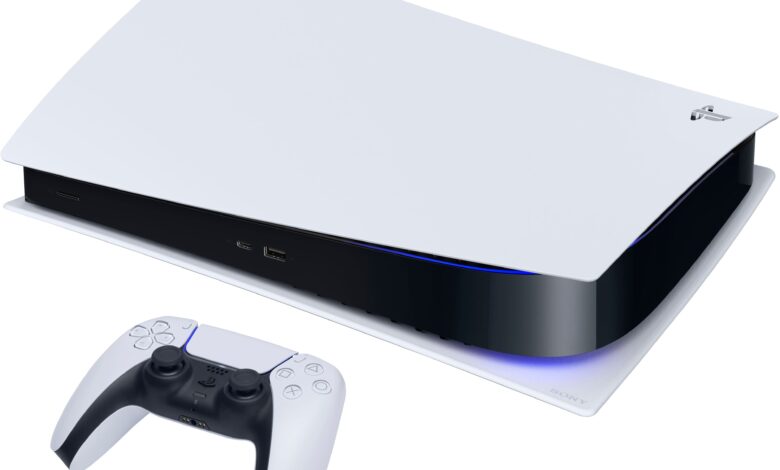
PlayStation’s hardware business had a rough May in the United States, with sales posting their worst month in more than 25 years. The sharp drop points to a market that is becoming far less forgiving of higher console prices.
The steepest pressure came from the PS5, whose sales fell 58 percent compared with the same period last year. Consumer spending on PlayStation hardware also declined 43 percent in the same month, underscoring how quickly momentum weakened.
Price became the main obstacle
The clearest explanation is cost. Sony raised prices across the PS5 lineup, and that made entry into the PlayStation ecosystem noticeably more expensive just as many buyers expected a mature console to become cheaper.
Recently, the average PlayStation price reached $672, which was said to be 33 percent higher than a year earlier. That kind of increase changes the buying calculation, especially for consumers who are already cautious about spending.
The decline also suggests that May was not simply a weak seasonal stretch. Instead, it reflected a broader shift in how buyers respond when a console that should be settling into its lifecycle becomes more expensive.
PS5 still held second place
Despite the slump, the PS5 did not disappear from the market picture. It still finished May as the second best-selling console, which shows that brand loyalty remains a real advantage for Sony.
Even so, the data suggests many buyers are waiting for a better price point. In a market full of alternatives, a higher sticker price can be enough to delay a purchase rather than convert interest into a sale.
Competition moved in the opposite direction
PlayStation also lost the top spot in the same month as Nintendo Switch 2 surged to first place. Nintendo’s new console led both unit sales and revenue, creating a sharp contrast with Sony’s weakened hardware performance.
That contrast matters because console momentum is often shaped by a mix of pricing, product excitement, and timing. In May, PlayStation faced resistance on value while Nintendo benefited from the appeal of a fresh hardware launch.
The result is not a sign that PlayStation has lost its audience. It does show, however, that a stronger brand cannot fully offset a pricing problem when consumers have other attractive options.
Sony’s next move will matter
Sony has already shown that it is willing to adjust pricing in other markets. The company reportedly cut the PS5 price in Japan to around $350 in an effort to attract more local buyers and lift unit sales.
That kind of move highlights how central pricing has become to the PS5 story. If cost is the biggest barrier, then price cuts are the most direct way to restore demand.
Applying a similar strategy in the United States may be less straightforward. The report also noted additional pressure tied to a new Micron deal, which could make Sony’s response more complicated.
For now, May stands as a warning that the PS5 is facing a more price-sensitive market than before. The console remains in the race, but its recovery will depend heavily on how Sony balances cost, margin, and competitiveness from here.