One of the iPhone’s most praised components comes from an unexpected place: Samsung. The OLED panel inside Apple’s premium phones is largely supplied by Samsung Display, a reminder that fierce rivals can still depend on each other at the factory level.
The arrangement is more than a simple parts deal. Apple orders custom panels built to its own specifications, and Samsung Display has repeatedly proven it can meet the company’s demanding standards for brightness, color accuracy, and production scale.
| Key Supplier | Role in iPhone Displays | Notable Detail |
|---|---|---|
| Samsung Display | Main OLED panel supplier | Has supplied iPhone OLED panels since iPhone X |
| LG Display | Additional supplier | Used by Apple to expand display capacity |
| BOE | Additional supplier | Used by Apple to expand display capacity |
Why Apple keeps turning to Samsung
Apple does not buy off-the-shelf OLED panels. It places custom orders built for the iPhone, which means the supplier must deliver consistent quality at very large volumes.
That scale matters because iPhone sales exceed 200 million units a year. In that environment, panel makers compete aggressively for Apple’s business, and Samsung Display often ends up supplying the latest OLED generation first.
This has created a curious advantage for Apple. In some product cycles, the iPhone has used newer OLED materials before Samsung Electronics’ own Galaxy line does.
| Device | OLED Material | Timing Detail |
|---|---|---|
| iPhone 16 Pro | M14 | Used in 2024 |
| Galaxy S24 Ultra | M13 | Used during the same period |
| Galaxy S25 Ultra | M13 | Used during the same period |
| Galaxy S26 Ultra | M14 | Received M14 later |
A relationship that began with iPhone X
The partnership between Apple and Samsung Display dates back to the iPhone X in 2017, when Apple introduced OLED to the iPhone lineup for the first time. Apple described that screen as the first OLED panel to meet its iPhone quality standards.
That display brought richer colors, deeper blacks, higher contrast, and color management tuned specifically by Apple. From there, OLED adoption expanded until the entire iPhone 12 lineup in 2020 moved to OLED screens.
To reduce dependence on a single supplier and manage costs, Apple later added LG Display and BOE to the mix. Even so, Samsung Display remained the dominant partner behind the display technology that helped define modern iPhone models.
Apple still adds its own layer of control
The iPhone display story is not only about Samsung’s manufacturing. Apple also handles color calibration, brightness control, and software-level burn-in prevention, which shapes how the panel behaves in everyday use.
That combination of high-grade hardware and Apple’s tuning has helped iPhone displays earn strong reviews from independent testers over the years. In practical terms, the final result is a shared product: Samsung Display provides the panel, while Apple refines the experience.
The cooperation extends beyond the iPhone as well. Samsung Display is also reported to supply OLED panels for other Apple devices, including the iPad Pro with Tandem OLED.
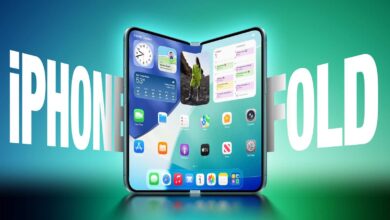
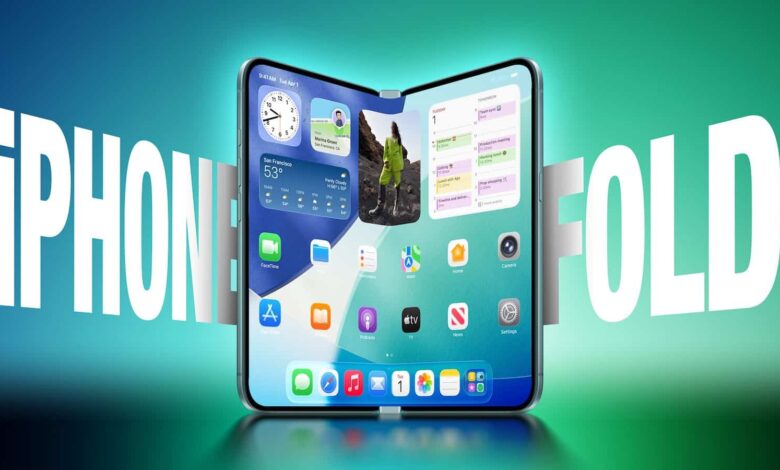
According to reporting compiled by KompasTekno from Gizmodo, Samsung Display is also expected to be the exclusive supplier of the foldable screen for the rumored iPhone Fold. If that happens, Samsung’s role inside Apple’s display supply chain will become even more significant.