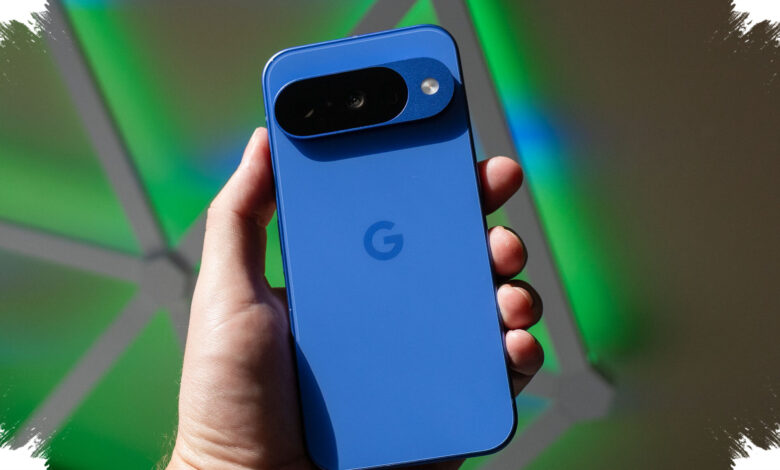
Pixel 11 is shaping up to be one of Google’s most significant flagship updates in years. The reported changes focus less on a single headline feature and more on a broad reset across the areas that have drawn the most criticism from Pixel users.
Those complaints have been familiar for a while: heat buildup, uneven cellular performance, and hardware that sometimes feels less refined than the software experience around it. If the latest rumors prove accurate, Pixel 11 could be Google’s clearest attempt yet to close those gaps without losing the strengths that made the Pixel line stand out.
Tensor G6 could change the performance equation
The biggest upgrade being discussed is Tensor G6, which is said to use a 2nm manufacturing process. That shift could bring better speed and improved power efficiency at the same time.
A smaller chip process often helps reduce energy use while improving sustained performance, and that matters for Pixel devices because earlier Tensor generations were often linked to warmth under heavier workloads. For users, the benefit would likely be smoother multitasking and better battery endurance across the lineup.
A new modem may be the most practical upgrade
Google is also reportedly moving to the MediaTek M90 modem to improve cellular connectivity. That change targets one of the most persistent complaints surrounding recent Pixel phones.
Reports point to higher 5G download speeds, better signal stability in crowded areas, and improved efficiency while connected to mobile networks. For many users, that kind of reliability matters more in daily use than benchmark numbers.
| Reported Pixel 11 Upgrade | Expected Impact |
|---|---|
| Tensor G6 | Faster performance and better power efficiency |
| MediaTek M90 modem | Stronger cellular performance and more stable 5G |
| M16 OLED display | Brighter screen with lower power use |
| New camera hardware | Better consistency before software processing |
| Pixel Glow | New visual alerts and practical notification cues |
Display and battery life may both benefit from M16 OLED
Another rumored change is the use of Samsung Display’s M16 OLED panel material. The display is said to be brighter and more color-accurate while also drawing less power than the previous generation.
That combination could matter as much as any internal hardware change. A brighter display improves outdoor visibility, while lower power demand helps support battery life in a way users can feel throughout the day.
Camera hardware is also getting attention
Pixel has long been associated with strong photography, but the next model may improve the hardware foundation as well as the software processing. The standard Pixel 11 and the foldable version are said to use a new 50MP main sensor.
The Pro model is rumored to receive upgrades to both the main camera and the telephoto lens. If those changes arrive, they could improve low-light quality, autofocus speed, and video stabilization before any computational photography kicks in.
Pixel Glow would add a new design identity
Beyond core hardware, Google is also said to be preparing a subtle LED lighting system in the camera bar called Pixel Glow. The feature is reportedly designed to light up in different colors when the phone is placed face down.
Those color changes could indicate notifications, incoming calls, or charging status. If implemented, it would give Pixel 11 a more distinctive look while also adding a small but useful layer of at-a-glance information.
Taken together, the five rumored upgrades suggest that Google is trying to address the exact issues that have held the Pixel line back, especially heat, connectivity, and hardware balance. At the same time, the company appears determined to preserve the camera-first identity and clean software experience that continue to define the series.