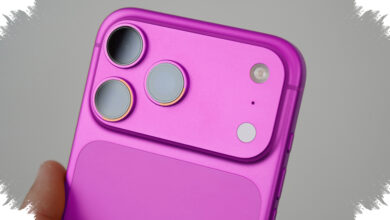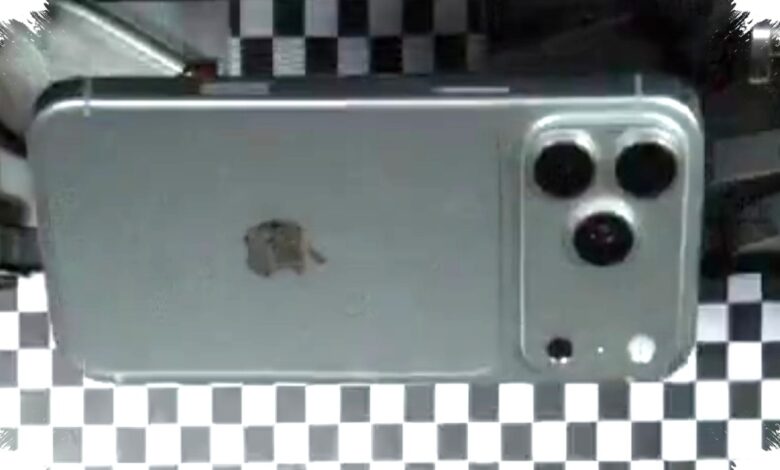
Apple is reportedly preparing one of its biggest camera upgrades yet for the iPhone 18 Pro and iPhone 18 Pro Max. The next Pro models are said to gain a larger camera module and, more importantly, a variable aperture on the main camera.
That combination could give Apple more room for image quality improvements while also making the camera system more adaptable in everyday use. Instead of relying on a fixed lens opening, the phone would be able to adjust how much light enters the sensor based on shooting conditions.
What is changing on the back of the phone
Supply chain reports from China indicate that the rear camera area on the iPhone 18 Pro may grow by about 2 mm. The overall thickness, including the camera bump, is also said to increase from around 12.92 mm on the iPhone 17 Pro to about 13.77 mm on the iPhone 18 Pro.
That added size is believed to be tied to a new 48-megapixel main sensor with a 1/1.12-inch format. A larger sensor typically requires more space, especially when paired with a more complex optical system.
| Reported Change | iPhone 17 Pro | iPhone 18 Pro |
|---|---|---|
| Camera bump thickness | 12.92 mm | 13.77 mm |
| Main sensor | Not stated | 48 MP, 1/1.12-inch |
| Rear camera area | Not stated | About 2 mm larger |
Why variable aperture matters
Unlike the current iPhone camera system, which uses a fixed f/1.78 aperture, variable aperture would allow the lens opening to change physically. In bright light, the aperture could narrow to improve sharpness and deepen depth of field.
In low light, the aperture could open wider so the sensor captures more natural light. That gives the camera more flexibility than a fixed-aperture setup and could reduce dependence on software-based image processing.
This kind of system is already more familiar in some premium Android phones and professional cameras. If Apple adopts it, the iPhone camera could gain a more hardware-driven approach to image capture.
Possible impact on photos
The biggest benefit may be more natural bokeh and a look that is closer to DSLR-style photos. A larger sensor combined with variable aperture could also help improve low-light performance and preserve more detail.
At the same time, the more complex optical design may create challenges. One concern highlighted in the reports is close-range focusing, which has long been one of the limitations of the iPhone main camera.
With a larger sensor and a moving aperture mechanism, Apple will need to keep autofocus stable across different shooting scenarios. That balance will matter if the company wants the hardware upgrade to feel useful in daily use, not just impressive on paper.
Cost and industry chatter
Analyst Ming-Chi Kuo previously said that variable aperture components cost about 50 percent more to produce than the lens modules used today. He also said production of the part has already begun.
Tipsters including Digital Chat Station and Fixed Focus Digital have also shared similar reports. Together, those leaks have made the variable-aperture rumor around the iPhone 18 Pro look increasingly credible.
Apple has not confirmed any iPhone 18 Pro specifications. Still, the appearance of dummy units and design leaks has led many observers to believe the device is already close to its final form.