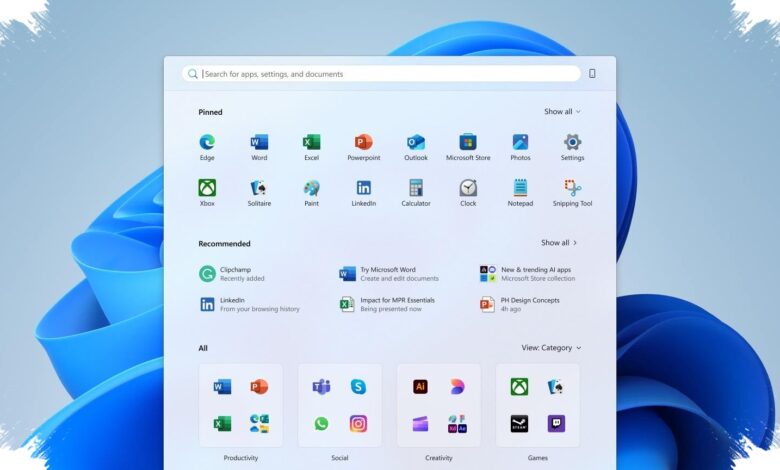
Microsoft once quietly tested a far more radical direction for Windows, one in which Copilot would not sit beside the operating system but become its main interface. In that prototype, the familiar desktop experience could lose the Start menu and Taskbar entirely.
The experiment suggests how aggressively Microsoft has been thinking about an AI-centered future for Windows. Instead of clicking through icons and menus, users would interact with the system through a multimodal input box and natural language commands.
Project Aion and the Win3 codebase
The prototype was known internally as Project Aion and was built on a new Windows codebase called Win3. Microsoft designed it as a lightweight, web-first operating system that relied heavily on Edge and the Chromium layout engine.
That structure marked a major break from the traditional Windows model, which has long been built around the desktop, local applications, and the classic shell. In Project Aion, Copilot was embedded directly into the core shell rather than treated as an add-on feature.
| Project Element | What It Did | Impact |
|---|---|---|
| Copilot core shell | Placed AI at the center of the system interface | Made Copilot the main way to operate the device |
| Multimodal input box | Accepted typed commands and other inputs | Shifted interaction toward natural language instructions |
| Spaces | Grouped apps and websites into workspaces | Replaced the usual Start menu and Taskbar model |
How the interface would change
One of the most striking changes in Aion was the removal of the Start menu and Taskbar in favor of a concept called Spaces. The system would organize apps and websites into intelligent workspaces that could be opened or closed as needed.
That approach was meant to make work more contextual and easier to return to, rather than relying on a static row of icons and windows. If widely adopted, it would turn AI into the primary gateway for opening apps, managing tasks, and running commands.
What happened to classic Windows apps
The web-first design also came with a major trade-off: no native support for legacy Win32 applications. That detail makes it clear the prototype was not simply an incremental update to the Windows experience people already know.
If users needed desktop software such as the Microsoft Word desktop app, Aion would reportedly launch a Windows Cloud PC session instead. In other words, the app would run remotely through the cloud rather than locally on the device.
| App Type | Support in Aion | How It Worked |
|---|---|---|
| Win32 apps | No native support | Not built into the web-first system |
| Desktop Word | Available through Cloud PC | Opened as a remote Windows session |
Copilot as an agent, not just an assistant
The prototype also pointed to deeper integration between services through plugins across applications. In one example, a user could ask Copilot to summarize a draft and then send an Outlook email to a colleague directly from the AI chat box.
That workflow shows Microsoft exploring a more agentic role for Copilot, one where the AI does not just answer questions but actually carries out tasks across different services. It would place the assistant at the center of everyday productivity work.
An internal test, not a confirmed product
Several sources have said the leaked video of the prototype is genuine, but the material is believed to be around two years old. That means the current status of Project Aion remains uncertain.
It is still unknown whether Microsoft intended to turn the concept into a real product or leave it as an internal experiment. The age of the footage and the lack of any official Windows announcement suggest the project may have been discontinued.
Even so, Project Aion is a revealing sign of where Microsoft has been willing to push Windows. It shows that the company has already tested a version of the operating system where Copilot would not merely assist Windows, but become the system itself.