The mid-range smartphone market is becoming more competitive in 2026 as 108 MP cameras are no longer reserved for expensive devices. In the Rp2.5 million range, buyers can now find phones that combine large camera sensors, bright displays, and balanced performance for daily use.
This shift also shows how the market is evolving beyond megapixel counts alone. Manufacturers are paying closer attention to sensor quality, image processing, video capability, display quality, and battery life.
What stands out in this price segment
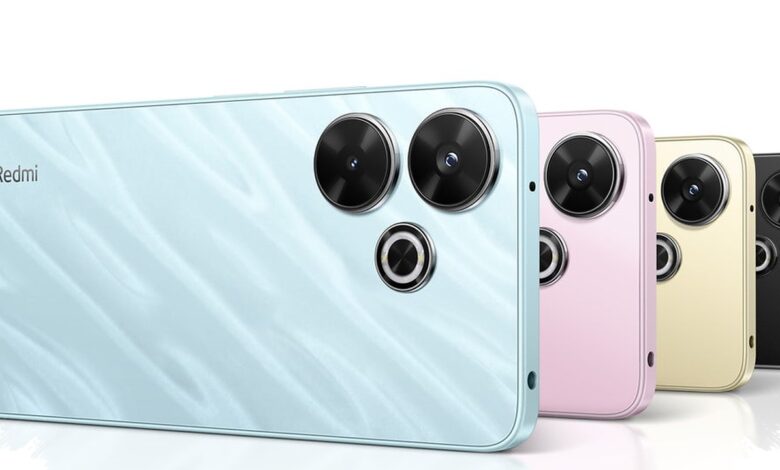
One of the most notable models is the Redmi Note 15 4G, which brings a 108 MP main camera aimed at delivering more detail in good lighting conditions. It is paired with a 20 MP front camera for selfies and video calls.
The Redmi Note 15 4G also uses an AMOLED display with brightness reaching 3,000 nits. That combination makes it more comfortable to use outdoors and can also support photo editing directly on the phone.
At the same level, the Redmi Note 13 5G remains relevant with its 108 MP main camera and 8 MP ultrawide camera. The ultrawide lens adds flexibility for landscapes, buildings, and group shots in a wider frame.
Table: Key models in the Rp2.5 million segment
| Model | Main Camera | Other Highlights |
|---|---|---|
| Redmi Note 15 4G | 108 MP | 20 MP front camera, AMOLED display, up to 3,000 nits brightness |
| Redmi Note 13 5G | 108 MP | 8 MP ultrawide camera, wider framing for photos |
| Motorola G57 Power | 50 MP | Sony sensor, 7,000 mAh battery |
| Infinix Hot 60 Pro | 50 MP | AMOLED 144 Hz display, MediaTek Helio G200, 5,160 mAh battery, 45W charging |
| Tecno Spark 40 Pro | 50 MP | Full HD 60 fps video recording |
Sensor quality and battery life matter just as much
Not every phone in this segment follows the same formula. The Motorola G57 Power focuses on a 50 MP main camera with a Sony sensor instead of simply chasing a higher resolution number.
That sensor is claimed to produce more natural colors and solid dynamic range for everyday photography. Motorola also equips the device with a 7,000 mAh battery, giving users longer usage time for taking photos or recording video throughout the day.
This approach shows that camera performance is not determined by megapixels alone. Sensor quality and image processing now play a major role in the final result users see.
Infinix and Tecno target active users
For users who stay active on social media, the Infinix Hot 60 Pro offers another attractive combination. It uses a 50 MP main camera, a 144 Hz AMOLED display, and the MediaTek Helio G200 chipset to support daily use and light photo or video editing.
Infinix also includes a 5,160 mAh battery with 45W fast charging. That matters for users with high mobility who need their device to return to action quickly after a full day of use.
The Tecno Spark 40 Pro takes a different route with a 50 MP main camera and video recording support of up to Full HD 60 fps. The higher frame rate can make video look smoother than the standard 30 fps, especially for users who regularly create short-form content.
A sharper fight for buyers in the Rp2.5 million range
These devices show that consumers now have more choices in the Rp2.5 million class. Brands are trying to stand out with different strengths, including 108 MP cameras, premium sensors, bright AMOLED panels, large batteries, and more capable video features.
The segment is also harder to predict than before. Older models such as the Redmi Note 13 5G can still be compelling when prices drop, while newer models like the Redmi Note 15 4G and Infinix Hot 60 Pro raise the pressure with features that move closer to a higher class.
The trend makes one thing clear: camera phones are no longer judged by megapixel count alone. In the Rp2.5 million segment, value is increasingly defined by the balance between camera, display, performance, video, and battery life.