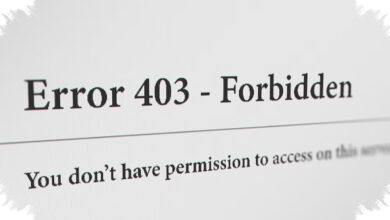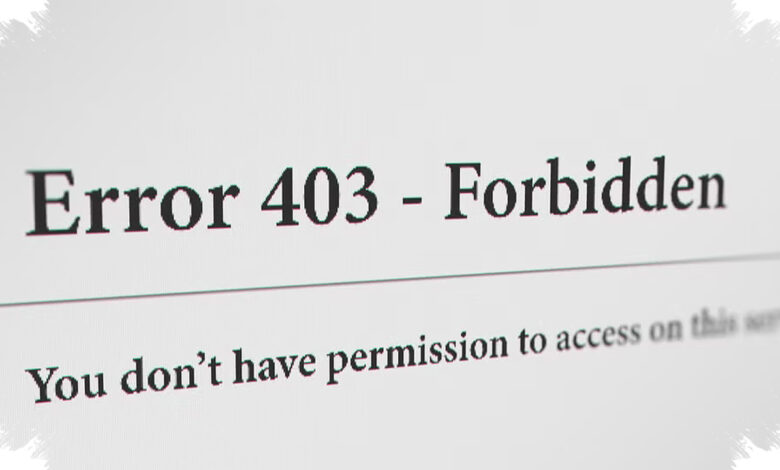
An Error 403 page does not always mean a site is broken. In this case, the message makes it clear that the request was blocked for security reasons.
The notice also points to two common triggers: VPN use and visits from countries that are not allowed. For users who believe the block is a mistake, the page directs them to send an email through a form and include their email address.
What the message says
| Language | Main message | Suggested action |
|---|---|---|
| Spanish | The request was blocked for security reasons, possibly because of a VPN or access from a restricted country. | Use the form and include an email address if the block seems wrong. |
| English | The request has been blocked, possibly due to a VPN or a visit from a country that is not allowed. | Send an email from the form with an email address if it appears to be an error. |
| Portuguese | The request was blocked, possibly because of VPN use or access from a country that is not allowed. | Use the form to send a message with an email address if needed. |
The page presents the same warning in Spanish, English, and Portuguese, which suggests the block is part of a broader access-control setup rather than a language-specific problem. It also uses a short contact path so blocked visitors can ask for review without leaving the page completely.
For anyone who reaches this screen, the practical takeaway is simple: the site is rejecting the request before the content loads. The message is asking users to check whether a VPN or an unsupported location is causing the issue, then contact the site if the block should be reviewed.