
For players who spend long sessions pushing rank, the screen can matter as much as the chipset. A fast, color-rich panel makes every movement easier to track and every touch feel more immediate.
By June 2026, several flagship phones were standing out because they paired AMOLED or OLED panels with 120Hz refresh rates, while some premium models pushed even further. That combination makes animations smoother, visuals richer, and fast camera movement easier on the eyes during competitive play.
Flagships that put display quality first
| Model | Key Display Highlights | Main Gaming Appeal |
|---|---|---|
| Samsung Galaxy S26 Ultra | Dynamic AMOLED, high resolution, adaptive refresh rate up to 120Hz | Strong brightness, rich color, and comfortable outdoor visibility |
| ASUS ROG Phone 10 Pro | Large AMOLED display, very high refresh rate, responsive touch sampling rate | Built for fast reactions and precise control in competitive games |
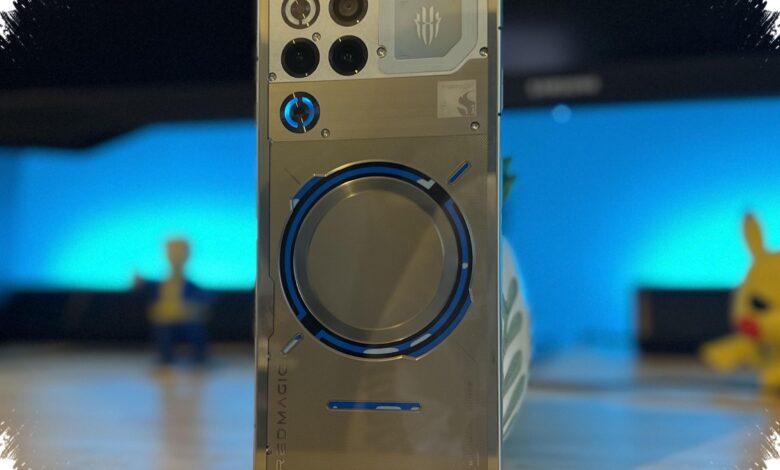
| RedMagic 12 Pro | OLED panel, very thin bezels, high refresh rate, sharp color reproduction | Wide viewing area and an immersive feel across multiple game genres |
| iPhone 18 Pro Max | Super Retina XDR OLED, ProMotion, refresh rate up to 120Hz | Accurate color, smooth motion, and efficient power use |
| Xiaomi 16 Ultra | LTPO AMOLED, high resolution, adaptive refresh rate | Balanced visual quality and battery efficiency for longer sessions |
Samsung Galaxy S26 Ultra stands out with a Dynamic AMOLED panel that delivers high resolution and adaptive refresh behavior up to 120Hz. The display is designed to keep colors deep, contrast strong, and brightness high enough for comfortable use outdoors.
That matters in games with dense effects and detailed graphics, where clarity can affect how easily players follow action on screen. It also helps reduce eye fatigue during longer sessions.
Gaming-focused tuning for faster response
ASUS ROG Phone 10 Pro follows a different path by focusing on competitive control. Its large AMOLED display combines a very high refresh rate with a responsive touch sampling rate, which is the kind of setup gamers notice immediately.
In fast matches, quicker touch recognition can make movement feel sharper and more precise. That advantage becomes especially useful in close-range duels and high-pressure moments.
RedMagic 12 Pro also aims at players who want a more open viewing experience. With an OLED panel, very thin bezels, and a high refresh rate, the screen gives MOBA, FPS, and racing titles a cleaner and more spacious look.
The near borderless design adds to the sense of immersion. For users who want fewer visual distractions and a wider feeling display, that approach is easy to appreciate.
Premium panels that balance speed and comfort
Apple’s iPhone 18 Pro Max targets users who prefer a premium ecosystem with display performance to match. Its Super Retina XDR OLED panel with ProMotion technology can adjust the refresh rate up to 120Hz.
The result is smooth motion, very good color accuracy, and high brightness. In gaming, that also supports comfortable viewing while keeping power use efficient.
Xiaomi 16 Ultra brings LTPO AMOLED technology into the same conversation with high resolution, vivid color, and sharp contrast. Its adaptive refresh system helps balance visual performance with battery efficiency.
That matters for people who stay in games for long periods and want the phone to last longer between charges. A more controlled power draw can make extended play feel less demanding on the battery.
Beyond these five models, more flagship phones are adopting premium displays with refresh rates between 120Hz and 165Hz, along with HDR support and higher touch sampling rates. Those upgrades make motion smoother, reduce blur, and improve touch accuracy during play.
Screen quality is now treated as a major purchase factor for gaming phones, not just a nice extra. High resolution, accurate color, strong brightness, and fast refresh behavior can make a device feel noticeably more capable even before the chipset is considered.
Newer glass protection and slimmer bezels also add to the appeal of modern phones. Still, stable gaming performance depends on the full package, including the chipset, RAM, cooling system, battery, and speaker quality.