


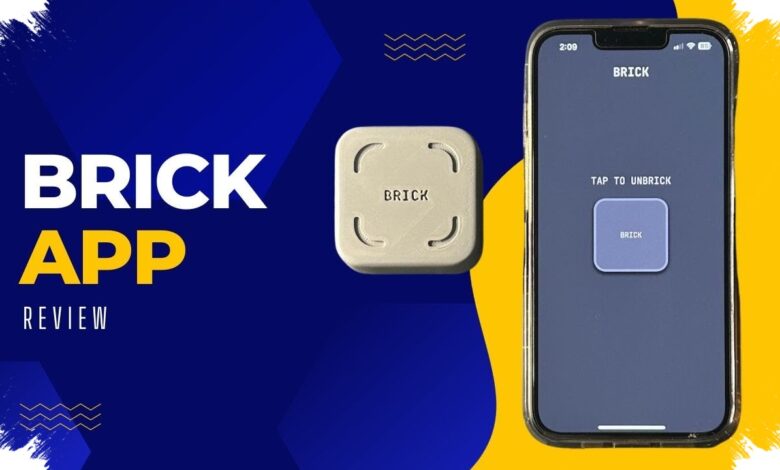
A small physical lock is changing how some people handle their phones at night. Brick is designed to add just enough friction to stop endless scrolling, and that interruption is being linked to better sleep and sharper workout focus.
The appeal is straightforward because the problem is well documented. Research published in Frontiers found that every hour of screen time in bed before sleep raises the risk of insomnia by 59%, while the average person checks a phone 85 times a day.
Why the phone is so hard to leave alone
Most people already know that late-night scrolling can damage sleep, yet the habit remains difficult to break. Phones are built to pull users back in, and willpower alone often fails against that design.
Screen exposure close to bedtime also affects the body directly. Blue light suppresses melatonin production, while messages and social apps keep the nervous system alert when it should be winding down.
| Sleep Disruption Factor | What It Does | Reported Impact |
|---|---|---|
| Screen time in bed | Increases pre-sleep exposure | Insomnia risk rises by 59% per hour |
| Frequent phone checking | Reinforces compulsive use | Average of 85 checks per day |
| Late messages and social apps | Keep the brain alert | Can worsen sleep quality and REM phase |
The bigger trap is often the content itself. A person may open the phone for one message, then lose 45 minutes to doom-scrolling, with cortisol rising and sleep quality falling.
How Brick changes the routine
Brick is not a reminder app or a simple timer. It is a small gray device that works with a phone app to block selected applications during chosen hours.
To activate the lock, the phone has to be placed against Brick. Once locked, the selected apps cannot be opened, and shortcuts such as deleting the app or force-closing it do not restore access.
Unlocking also requires returning to the device and tapping the phone to it again. That extra step is the point, since the added friction interrupts the habit loop that normally sends users back to the screen.
Night mode and the next morning
When set to run automatically from 11 p.m. to 9 a.m., the phone enters lock mode without requiring a fresh decision each night. Instagram, TikTok, email, and other high-distraction apps stay blocked, while Spotify and the alarm remain usable.
The first night can feel uncomfortable because the urge to check the screen is still strong. By the third night, the behavior begins to shift as the hand reaches for the phone and then stops at the locked device.
That change is not only about sleeping longer. Removing the temptation to use the phone in bed makes the evening routine calmer and reduces the small negotiations that drain attention.
A quieter start before the day begins
The most noticeable effect appears the next morning. Instead of being greeted by 85 notifications, 47 messages, and red badges across social apps, there is roughly ten minutes before the phone starts demanding attention again.
That short window is enough to move, think, and get out of bed without immediately being pulled into a feed. The result is a more natural start to the day and an easier transition into action.
Brick is also used before gym sessions, with the phone locked when leaving home and opened again only after returning. The idea is to begin training without digital distractions that break concentration before the workout even starts.
The approach targets a problem that often goes unnoticed: a mind already fragmented before exercise begins. With fewer interruptions, focus, execution, and training quality are described as improving together.
In that sense, Brick is not selling wellness language or a generic digital detox. It removes a known source of disruption by replacing instant temptation with a physical barrier that is hard to ignore.