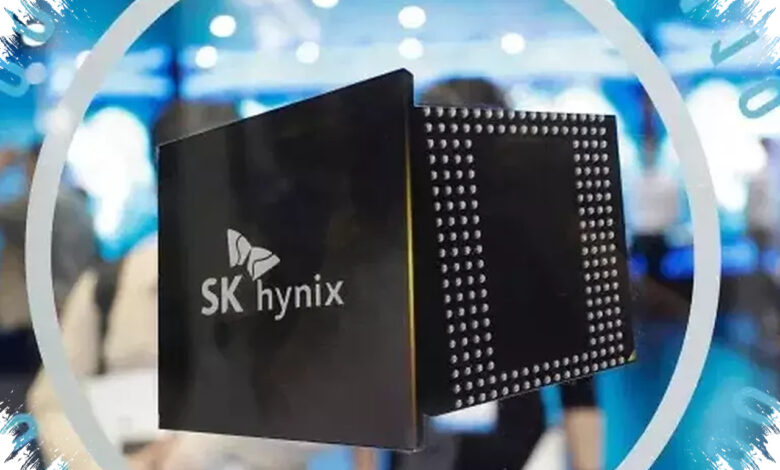
The global memory chip market is moving into a tighter phase, and SK Hynix believes the pressure could peak in 2027. Chief executive Kwak Noh-jung warned that surging demand, especially from artificial intelligence, may outpace the industry’s production capacity in the coming years.
That warning matters because the memory business is already running close to its limits. High-performance chips for AI, particularly high-bandwidth memory or HBM, are becoming one of the most important components in Nvidia’s AI chips and in data centers around the world.
Supply Stress Could Arrive Earlier Than Expected
In comments reported by Reuters and quoted by Beritasatu.com, Kwak said supply conditions are expected to tighten further starting next year. He added that the shortage could continue beyond 2030 if production capacity does not catch up with market needs.
“We expect next year to be the worst year in the industry’s history from the supply side,” Kwak said.
| Key Point | Details |
|---|---|
| Worst-year forecast | 2027 |
| Supply expected to tighten | Starting next year |
| Main demand driver | AI and HBM |
| Possible shortage duration | Beyond 2030 |
HBM Has Become a Critical Battleground
SK Hynix has taken a central position in the global AI supply chain after leading development of the HBM used by Nvidia. Even as many companies increase investment, production capacity still has hard limits, making the gap between demand and supply difficult to close quickly.
The company’s position also reflects a broader shift in the chip industry, where memory is no longer seen as a background component. Instead, it is now a strategic bottleneck that can shape how fast AI hardware can be deployed.
Analysts and Rivals See the Same Pressure
Jensen Huang, chief executive of Nvidia, previously said the AI memory shortage could last for several years because of strong market demand. He also said SK Hynix would remain Nvidia’s largest memory supplier.
UBS has separately projected that the global DRAM market could remain undersupplied at least until the second quarter of 2028. That forecast reinforces the view that relief is not likely to come quickly, even if manufacturers keep expanding output.
For SK Hynix and other major players, the next phase of the memory cycle is no longer just about growth. It is increasingly about surviving a long period in which demand from AI may stay ahead of what factories can deliver.