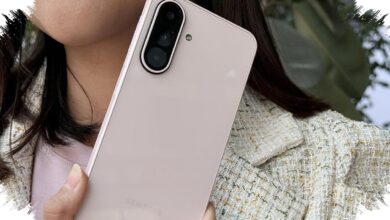
Entry-level smartphones in Indonesia are taking an unusual turn as several brands, including Infinix, Realme, and itel, adopt rear camera modules that closely resemble the iPhone 17 Pro. The design has become a fast-moving visual trend in the Rp 2 jutaan segment, where appearance now carries real marketing weight.
For many buyers, the appeal is immediate. A device that looks premium can feel more valuable than its price suggests, especially in a market where younger consumers often respond first to design before checking the specification sheet.
Why the design spread so quickly
Apple remains a major reference point for mobile aesthetics, and leaked information about the iPhone 17 Pro camera layout appears to have accelerated imitation across the industry. Vendors moved quickly to apply similar visual cues to mass-market models, turning a flagship-inspired shape into a common selling point.
That is why more affordable phones are now arriving with large triple-circle camera layouts and thicker frames that create a premium impression. The result is a device that can appear more expensive than it really is, even when its hardware stays firmly in budget territory.
What sits behind the premium-looking shell
The outside may suggest a flagship experience, but the internal strategy is different. On most Rp 2 jutaan phones with this design language, only one lens is fully functional as the main sensor, usually a 50 MP unit.
The other two circles are often used for a 2 MP depth sensor or another low-resolution helper lens. In practice, that means the dramatic camera island does not automatically translate into stronger photography performance.
| Brand & Series | Module Style | Main Chipset | Battery Capacity |
|---|---|---|---|
| Infinix Hot Series | Ultra-Oval / Precise Triangle | MediaTek Dimensity / Helio | 5000 mAh |
| itel A & Power Series | Boxy Three-Lens Module | Unisoc Series | 5000 – 7000 mAh |
| Realme C Series | Symmetrical Triple-Circle Layout | MediaTek / Unisoc | 5000 – 6300 mAh |
Design first, daily use second
GSMArena is cited as confirming that the thin 3D-curved body and flagship-style camera arrangement are aimed primarily at catching the eye. At the same time, image processing still relies heavily on built-in software algorithms to keep hardware costs down.
That is where expectations need to stay grounded. Photo quality, low-light video stability, and AI processing speed cannot be expected to match Apple’s own devices, even if the exterior looks similar at a glance.
Still, the trend gives budget phones a stronger position among buyers who care most about appearance and standard daily functions. If the expectations stay realistic, the iPhone 17 Pro-inspired look may remain a strong selling point for entry-level phones in 2026.