Buying a smartphone for long-term use requires a different mindset from chasing the newest model on the market. The real question is not which phone looks most fashionable today, but which one can still feel reliable after several years of daily use.
That distinction matters because many devices lose their appeal quickly once software support ends, storage fills up, or battery health begins to decline. A phone that is built for longevity can delay replacement, reduce repair headaches, and stay secure for longer.
1. Start with the update policy
Software support is one of the clearest indicators of how long a phone can remain practical. Qualcomm has pointed to update support as a key factor in keeping a device secure and relevant over time.
When a manufacturer promises a longer update cycle, the phone is more likely to receive new features and security protection for years rather than months.
2. Choose a processor that still has room to grow
A capable chipset is important if the goal is to keep the phone usable as apps become more demanding. Android Authority notes that newer midrange and flagship processors are generally better prepared for future operating system updates.
That kind of headroom helps performance stay stable even as software requirements increase over time.
3. Do not underestimate RAM and storage
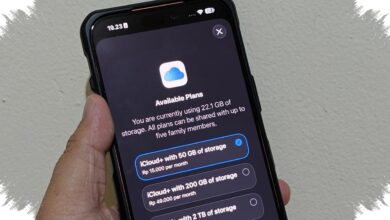
For long-term use, at least 8 GB of RAM and 256 GB of internal storage are sensible targets if the budget allows. A larger memory setup helps the phone stay comfortable to use while leaving room for apps, photos, videos, and system updates.
It also lowers the risk of the device feeling cramped after a few years of heavier usage.
4. Pay close attention to battery health and charging
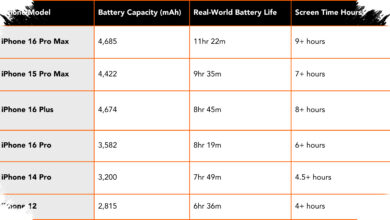
The battery is usually the component that ages the fastest. A phone with a large battery, efficient power management, and fast charging is better suited for extended use.
Even then, battery capacity will still decline naturally over time, so starting with stronger endurance gives the device a better chance of staying convenient longer.
5. Look for a body that can handle daily wear
Durable materials, Gorilla Glass protection, and water and dust resistance can all help extend a phone’s usable life. These features reduce the chance of damage from ordinary day-to-day use.
A sturdier build is especially useful for people who travel often or use their phone in less controlled environments.
6. Check service access and spare parts availability
Longevity is not only about the specifications on paper. A phone is easier to keep for years when official service centers are easy to find and replacement parts are readily available.
That can make repairs simpler and more affordable when a component eventually starts to fail.
7. Buy for actual needs, not the cheapest label
The lowest-priced option is not always the most economical choice over time. Spending a little more on better performance, larger memory, and longer software support can make a phone last much longer in practice.
That approach helps users delay the need for a replacement because the older device still keeps up with everyday demands.
8. Compare each brand’s update commitment
Update promises vary widely from one manufacturer to another. Google and Samsung have been reported to offer up to seven years of updates on certain models, while Qualcomm has also introduced a platform that can support software for up to eight years on eligible devices.
That kind of commitment is worth checking early, because it can determine whether a phone stays safe and usable deep into its lifespan.
When It Makes Sense to Replace a Phone
Industry trends and technology observers suggest that modern smartphones are often comfortable to use for around 3 to 5 years. A survey cited by Android Authority also showed that most Android users keep their phones within that range.
Still, age alone is not the final measure. Many people continue using a phone for more than five years because smartphone improvements are no longer as dramatic as they once were.
The more important signal is usually support status. Once a phone no longer receives operating system or security updates, the risk level rises and some apps may stop working smoothly.
Replacement also becomes more reasonable when the battery drains too quickly, storage remains full, performance slows down, or hardware such as the screen and charging port begins to fail. In those cases, repairing the device may cost more than it is worth.
As long as a phone still gets security updates, runs daily apps well, and remains comfortable to use, there is usually no urgent reason to replace it. With longer software support becoming more common, many smartphones can now stay in service far longer than earlier generations.
Long-Term Phone Buying Factors at a Glance
| Factor | What to Look For | Why It Matters |
|---|---|---|
| Software support | Long update policy | Helps keep the phone secure and current |
| Performance | Recent midrange or flagship chipset | Improves future app and OS compatibility |
| Memory | At least 8 GB RAM and 256 GB storage | Supports heavier long-term use |
| Durability | Strong body, Gorilla Glass, IP rating | Reduces everyday damage risk |
Typical Replacement Signals
| Signal | What It Means | Action |
|---|---|---|
| No more updates | Security and app compatibility may weaken | Consider replacement |
| Battery decline | Shorter daily endurance | Compare repair and replacement costs |
| Performance slowdown | Apps and system feel less responsive | Assess whether the device still meets needs |
| Hardware issues | Screen, port, or other parts start failing | Weigh repair value carefully |
For buyers in the Qoo10 ecosystem or any other marketplace, the safest choice is usually the phone that balances update support, durability, and practical performance rather than the one drawing the most attention right now. That way, the device is more likely to stay useful for years instead of becoming outdated after a short trend cycle.