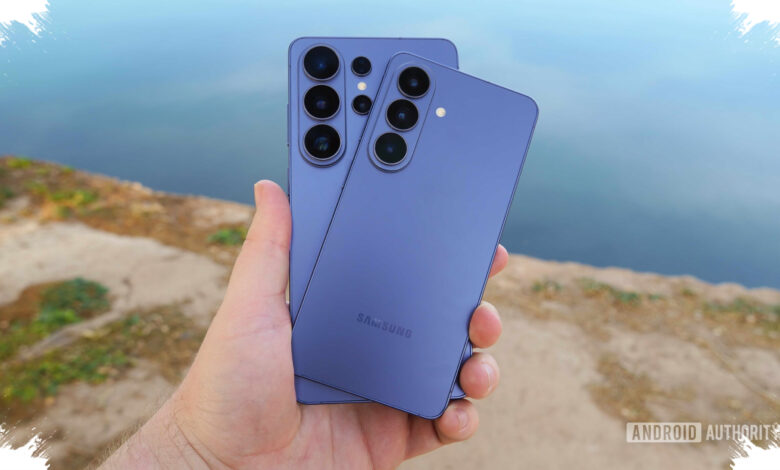
Reports of a red tint appearing on the center of the Galaxy S26 Ultra display are drawing attention, especially because the issue does not seem to affect every unit. The pattern has prompted concern among potential buyers who expected a clean experience from Samsung’s flagship panel.
What makes the case more troubling is the timing. Users say the reddish hue usually appears only after two to three months of use, which suggests it is different from the slight color variation that can still be considered normal on AMOLED screens.
Samsung has acknowledged the complaints
Samsung has already confirmed that it is looking into the matter internally. In its statement, the company said, “We are currently examining the matter internally to determine the cause.”
At this stage, Samsung has not confirmed whether the issue is tied to the panel itself, a specific production process, or a feature built into the Galaxy S26 Ultra. The company also has not linked the problem to any particular manufacturing batch.
Privacy Display is now under scrutiny
Some users suspect the issue may be related to the phone’s Privacy Display feature. The hardware-level function narrows the screen’s viewing angles so content is harder to see from the side.
The feature is designed to protect sensitive information, such as banking apps or private messages. However, online speculation has turned to whether its more complex light control could lead to uneven wear or gradual color shifts over time.
| Finding | Details |
|---|---|
| Complaint pattern | Red tint in the center of the display |
| When it appears | Usually after 2 to 3 months of use |
| Samsung’s status | Under internal investigation |
| Feature being discussed | Privacy Display |
Photo evidence from users is not enough on its own to determine whether the issue is burn-in or something else. For now, the theory remains unconfirmed until Samsung publishes the result of its review.
The complaints could also affect confidence in Samsung’s flagship line, especially since recent Galaxy flagship models have already been associated with reports of green or pink lines on some devices. That context makes this latest display concern more sensitive for buyers who follow panel reliability closely.
For users seeing similar symptoms, the safest step is to document the issue with photos or video, try changing display settings, and contact Samsung support. If reports continue to build, a software fix, panel replacement, or a dedicated service program could become part of the response.
For now, attention remains on Samsung’s investigation and on whether the red tint is limited to a small number of units or points to a wider display problem.