


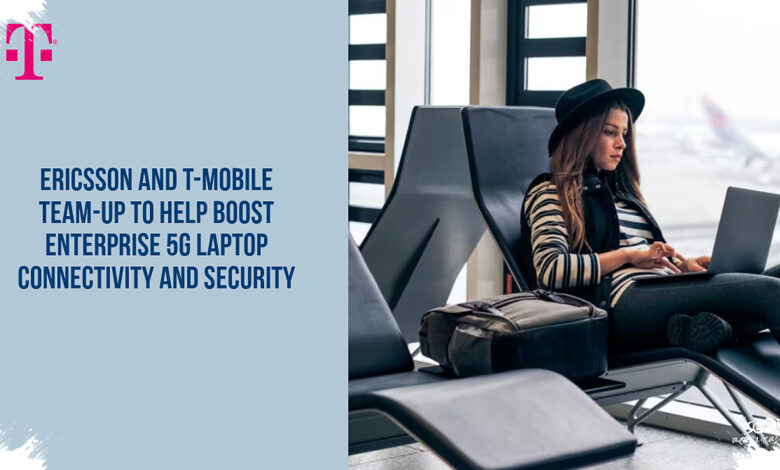
Public Wi-Fi is still seen as convenient for mobile work, but its security weaknesses are driving more professionals toward full cellular connectivity. In busy settings such as ride-hailing cars, airport waiting areas, and open cafés, many now view a fast mobile connection as essential protection for company data.
The shift is not only about comfort. It reflects a growing concern that the network used on the move can be just as important as the device itself, especially when workers need to access internal systems without exposing credentials to unsafe hotspots.
Security is the main reason workers are walking away from public Wi-Fi
Public Wi-Fi carries well-known risks because it can be vulnerable to Man-in-the-Middle attacks and fake hotspots designed to steal corporate logins. That exposure makes it a weak choice for anyone handling sensitive work data outside the office.
By contrast, 5G Standalone offers high-level encryption directly between the device and the operator’s transmitter. That setup helps reduce the risk of data interception when employees connect to internal office servers from the road.
Techno.viva.co.id notes that this trend is attracting field workers who need speed without giving up security. In a hybrid work environment that is increasingly mobile, network choice has become part of the strategy for maintaining productivity and protecting information.
Fast performance helps, especially for cloud work
On the performance side, pure 5G is described as delivering consistent latency below 5 milliseconds. That makes Ultra-HD video calls and cloud-based document collaboration smoother than the unstable connections often found on public Wi-Fi.
Its upload capability is also highlighted as strong enough for large project files measured in gigabytes. Once connected, users can start broadband access immediately instead of going through the repeated login steps common on public networks.
| Aspect | Public Wi-Fi | Pure 5G |
|---|---|---|
| Security | Vulnerable to MitM attacks and fake hotspots | High-level encryption from device to operator |
| Latency | Not described as consistent | Below 5 milliseconds |
| File uploads | Often limited | Strong for gigabyte-scale project files |
Indoor coverage, heat, and cost still need attention
Despite the appeal of a Wi-Fi-free workflow, pure 5G comes with practical trade-offs. The biggest challenge is indoor penetration, because 5G Advanced high-frequency waves have low ability to pass through thick concrete, heavy window film, and basement areas.
In tall buildings, devices may work harder to find a signal. That can raise temperature and drain the battery up to 20 percent faster than when connected to local Wi-Fi.
Costs can also rise if usage is not controlled carefully. Mobility Help Desk warns that monthly bills can swell when companies fail to set strict data limits, especially if laptop tethering is used heavily and background apps continue consuming data unnoticed.
For workers who move from place to place, 5G offers a strong mix of security and speed, but indoor signal conditions and data caps still matter. The decision to leave public Wi-Fi behind works best when network reliability, battery impact, and usage control are managed with the same care.