


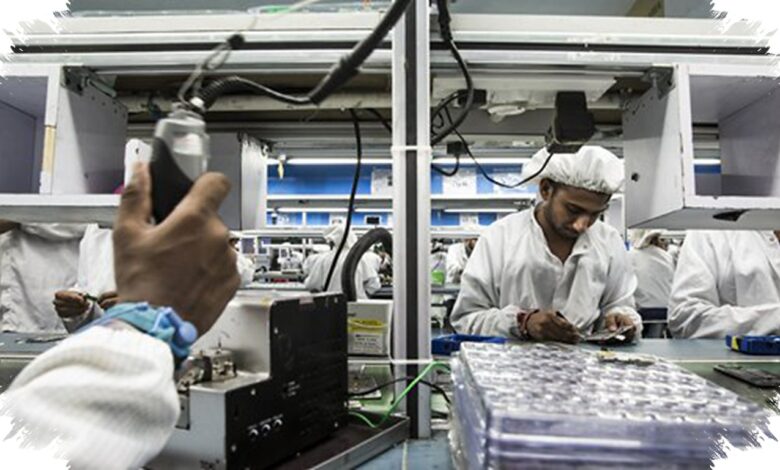
India has approved a new Mobile Phone Manufacturing Scheme with an outlay of Rs. 62,500 crore, signaling a fresh attempt to strengthen its smartphone manufacturing base. The move comes as the government looks to extend the gains built under earlier policy support and move the sector beyond simple volume growth.
The new framework is designed to deepen local value addition, reinforce the supply chain, and make handset production in India more competitive globally. According to MeitY, the scheme will take effect after the government issues the formal notification.
What the new scheme is trying to change
The headline goal is not limited to producing more phones. The policy is also meant to support technological self-reliance, encourage design patent filing, and help Indian brands expand in the domestic market.
That broader approach reflects a shift in emphasis. India is no longer only trying to attract assembly lines, but also to build a stronger ecosystem around components, design, and research and development.
| Incentive Component | Rate | Basis |
|---|---|---|
| Main incentive | 2.25% to 5% | Eligible sales in India |
| Additional incentive | Up to 1.5% | Share of locally sourced components |
| Indian brand incentive | 3% | Eligible sales used for design and R&D in India |
How the incentives are structured
MeitY said incentives will be linked to eligible sales in India, with rates ranging from 2.25% to 5%. An additional incentive of up to 1.5% will depend on the proportion of components sourced locally.
For Indian brands, the government has also set aside an extra 3% incentive on eligible sales tied to design and research and development in India. The structure shows that policy support is being tied not only to output, but also to deeper domestic capability.
Why the plan matters after PLI-LSEM
The scheme follows the end of the Production Linked Incentive for Large Scale Electronics Manufacturing, or PLI-LSEM, on March 31. That earlier program had helped companies such as Apple and Samsung and was credited with pushing India into the position of the world’s second-largest handset manufacturing hub by volume.
The new plan is intended to continue that momentum with a wider policy scope. It aims to sustain manufacturing growth while also strengthening the domestic ecosystem that supports it.
Targets, jobs, and the five-year timeline
MeitY estimates that the scheme could create around 60,000 direct jobs in India. Over its five-year run, the government is targeting handset manufacturing value of Rs. 39,00,000 crore, along with higher exports from the country.
The scheme will cover FY 2026-27 through FY 2030-31, giving manufacturers a long window to adjust investments and expand supply chain depth. If the policy delivers as planned, India is aiming to become more than a major manufacturing base and instead a stronger global center for smartphone value creation.