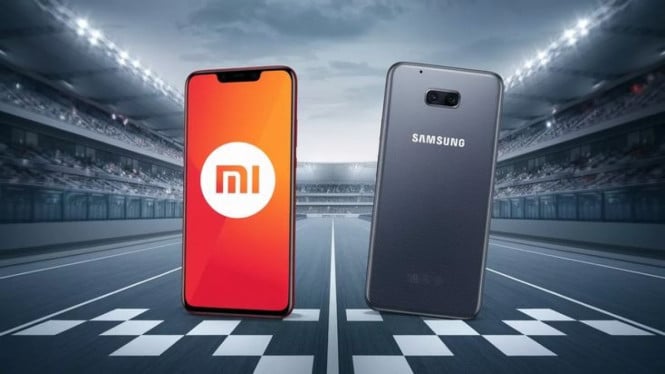
When choosing a compact flagship smartphone in 2025, Xiaomi 15 and Samsung Galaxy S25 stand out as top contenders for users wanting premium performance in manageable sizes. Both deliver powerful specs, but they differ in design, display, camera capabilities, battery life, and software experience, making the decision highly dependent on individual preferences and priorities.
Design-wise, both models feature premium builds with glass backs and aluminum frames. The Samsung S25 uses Gorilla Glass Victus 2 front and back, while Xiaomi relies on its in-house Xiaomi Shield Glass. Both frames have a matte finish, resisting fingerprints and offering a comfortable grip. Xiaomi 15’s frame curves more smoothly compared to Samsung’s flat-edged design, which offers sharper angles.
Display Comparison
The Samsung Galaxy S25 is truly compact with its 6.2-inch AMOLED display, noticeably smaller than Xiaomi 15’s 6.36-inch screen. Both support 120Hz refresh rates and LTPO technology that lowers the rate to 1Hz for battery savings during static content viewing. Xiaomi 15 excels in peak brightness, reaching 3,200 nits, making outdoor visibility superior to the S25’s 2,600 nits.
Camera and Imaging
Both phones offer a triple-camera setup: main, ultrawide, and telephoto lenses, capable of delivering excellent shots under good lighting. Samsung’s photos tend to brighten shadows for a flatter yet clearer output, while Xiaomi’s images emphasize higher contrast and vivid Leica Vibrant color tones. Samsung employs a 10MP telephoto sensor with 3x optical zoom, whereas Xiaomi uses a 50MP telephoto lens with 2.6x optical zoom but excels with up to 60x digital zoom, compared to Samsung’s 30x, offering sharper details at long range.
Performance Details
Under the hood, both pack the Snapdragon 8 Gen 2 Elite chip with custom tunings. Samsung’s variant, known as Snapdragon 8 Elite for Galaxy, pushes the prime CPU core up to 4.47 GHz, delivering slightly higher peak performance. Xiaomi balances cutting-edge power with its tuning aimed at optimizing efficiency and sustained performance.
Battery and Charging
Xiaomi 15 leads in battery capacity with 5,240mAh, far exceeding Samsung S25’s 4,000mAh. Charging speeds also differ significantly: Xiaomi supports 90W wired fast charging with the included charger, wireless charging up to 50W, and reverse wireless charging. Samsung provides more modest charging rates — 25W wired (no charger in-box), 15W wireless, and reverse wireless charging capability. This gives Xiaomi a clear edge in daily endurance and quick replenishment.
Software and Ecosystem
Samsung runs One UI 7 built on Android 15, offering up to seven years of software updates, emphasizing long-term device security and new features. Xiaomi’s HyperOS 2.0, also based on Android 15, commits to four years of system updates and six years of security patches. Samsung’s interface refresh brings a sleek, modern look, while Xiaomi offers extensive customization options, including AI-powered dynamic wallpapers and varied lock screen styles.
Value and Positioning
The price difference between the two is about $200 (converted from 3 million Indonesian rupiahs), influencing buying decisions. Xiaomi 15 represents strong value with superior battery life, faster charging, and vivid display brightness. Samsung Galaxy S25 appeals to those who prioritize longer software support, a prestigious brand name, and nuanced camera processing, especially in selfie photography.
Both compact flagships offer unique advantages for 2025 users seeking high-end features without the bulk. Whether the choice leans toward Xiaomi’s endurance and vivid visuals or Samsung’s refined software and brand prestige depends on user priorities and budget allocations.