


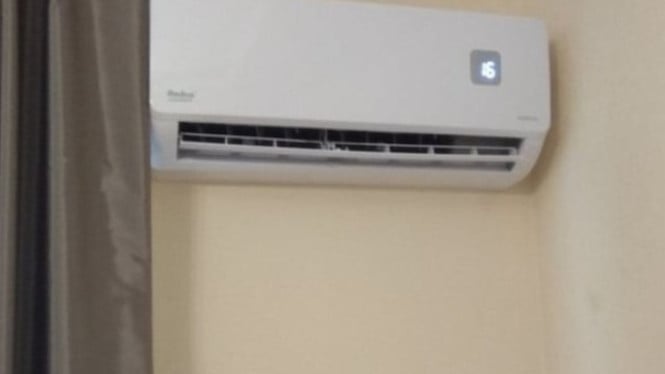
Electricity bills often spike during hot months due to excessive use of air conditioners. Many consumers seek low watt AC options that cool effectively without causing financial strain. Choosing the right low watt AC helps maintain home comfort while keeping energy costs manageable.
Energy-efficient air conditioners come with advanced inverter technology that adjusts power consumption based on cooling needs. According to energy experts, inverter ACs can reduce electricity use by up to 30-50% compared to non-inverter models. This translates into significant savings on monthly electric bills.
Key Features to Consider in Low Watt ACs
-
Energy Efficiency Rating
Check for AC units with high seasonal energy efficiency ratio (SEER) or star ratings. Models with 4-5 stars consume less electricity overall. -
Inverter Compressor Technology
Inverter compressors operate continuously at variable speeds, avoiding power surges and lowering energy use. This technology enhances cooling performance and reduces wear and tear. - Suitable Capacities
Select AC power capacity that matches room size. For instance, a 1 PK (1250 watt) unit fits a 9-12 m² room, while larger rooms require higher PK ratings. Overpowered ACs waste electricity, while underpowered models run excessively.
Top Low Watt Air Conditioners Recommended
-
Panasonic CS-YN5XKR
Uses inverter technology and has a rated power around 490 watts during operation. It includes eco-friendly refrigerants with a high energy star rating. -
Daikin FTKG35RV14
This model features an efficient inverter compressor with a power draw approximately 540 watts. It also offers air purification and humidity control for added comfort. - LG DUALCOOL Inverter AC
Rated for low power consumption, the LG DUALCOOL series can operate near 520 watts with smart inverter technology. It supports fast cooling and low noise levels.
Additional Tips for Lowering AC Electricity Use
Use a programmable timer or smart thermostat to schedule AC operation only when needed. Maintain the filters clean and routinely check refrigerant levels to keep the unit running efficiently. Ensure proper insulation and shading of rooms to reduce cooling load.
Purchasing a low watt AC with inverter technology and correct room sizing is effective for reducing household electricity bills. Consumers benefit from better cooling performance at a fraction of traditional energy consumption. Energy-efficient ACs contribute to environmental preservation by lowering overall power demand.
Aside from the direct savings, many utility companies offer incentives or rebates to customers installing energy-saving appliances. Checking local programs may further improve affordability when selecting low watt air conditioners. Given rising energy prices, prioritizing efficient cooling solutions offers both comfort and budget relief long term.