


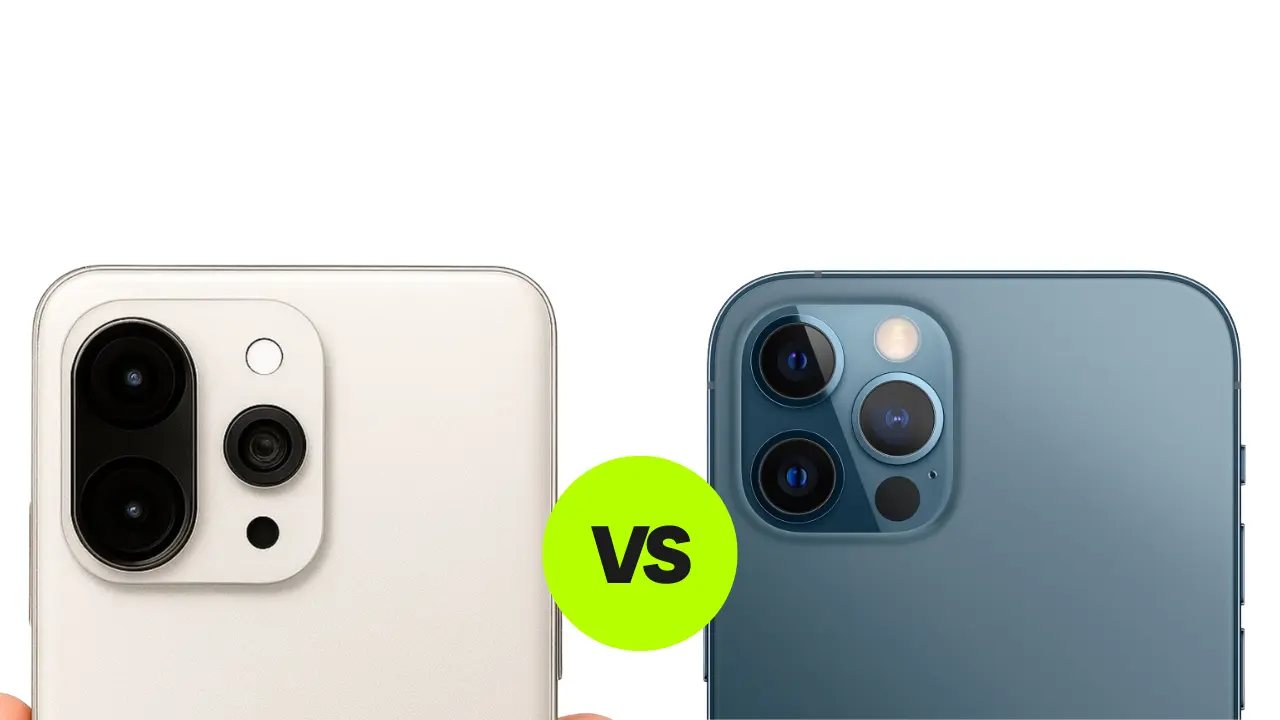
The competition between the OnePlus 15 and the iPhone 17 has grabbed significant attention in the premium smartphone segment for 2025. Consumers are keen to know which flagship device offers the best overall experience, performance, and value in the upcoming year.
Both brands follow distinct strategies: OnePlus emphasizes raw power and fast features, while Apple focuses on ecosystem integration and system stability. Understanding their differences helps buyers make informed decisions based on personal needs.
Design and Display
OnePlus 15 features a robust aluminum frame combined with Gorilla Glass Victus 2, and it holds an IP69K certification for enhanced durability. This rugged build targets users who require a tough device capable of withstanding harsh conditions.
In contrast, the iPhone 17 delivers a sleek and lightweight design using Ceramic Shield 2 and aluminum that exudes Apple’s trademark minimalism. It prioritizes elegance over ruggedness, appealing to users who value refined aesthetics.
Regarding display technology, the OnePlus 15 comes with a large 6.78-inch AMOLED panel offering a rapid 165Hz refresh rate. This high refresh rate ensures smooth visuals, especially beneficial for gaming and video consumption.
The iPhone 17 uses a 6.3-inch OLED screen optimized for color accuracy and peak brightness. Its display performs well under direct sunlight, maintaining sharp and vivid images in bright environments.
Performance and Battery Life
Powered by the Snapdragon 8 Elite Gen 5 chipset, the OnePlus 15 supports up to 16GB of RAM, positioning it strongly for multitasking and demanding apps. On the other hand, Apple’s iPhone 17 runs on the proprietary A19 Bionic chip, boasting high energy efficiency and stable performance with 8GB of RAM.
Battery capacity also diverges notably. The OnePlus 15 packs a sizable 7,300mAh battery along with 120W fast charging, 50W wireless charging, and reverse wireless charging. This combination promises longer usage times and rapid energy replenishment.
Meanwhile, the iPhone 17 offers a smaller 3,692mAh battery but relies on iOS optimizations for power management. Its charging speeds are slower than OnePlus’s, reflecting Apple’s balance between performance and device longevity.
Camera Capabilities
OnePlus 15 carries a versatile triple-camera setup centered on a 50MP main sensor combined with a periscope telephoto lens providing 3.5x optical zoom. This setup appeals to users looking for flexible zoom and photography options.
The iPhone 17 features a dual-camera system with 48MP sensors enhanced by AI-based image processing. It focuses on consistent color reproduction and natural tones across photos.
For selfies, OnePlus includes a 32MP front camera capable of 4K video recording with electronic image stabilization (EIS). Conversely, the iPhone 17’s front-facing camera has an 18MP resolution with additional depth sensing and spatial audio support during videos.
Pricing and Ecosystem Integration
Although OnePlus 15’s official price in Indonesia is yet to be announced, leaked estimates suggest it will start between roughly $620 and $830 USD. This positions the device as a competitive flagship option with generous hardware features at a more accessible price point.
The iPhone 17’s base model with 256GB storage tags at about $1,155 USD, while the top-tier Pro Max with 2TB can reach up to approximately $2,940 USD. Apple’s higher cost reflects its ecosystem advantages, including long-term software updates and seamless connectivity to other Apple products like MacBooks and Apple Watches.
OnePlus shines in offering large battery capacity, fast charging speeds, and up to 16GB of RAM at a reasonable price. The iPhone continues to lead with exceptional system stability, highly accurate display technology, and tightly integrated hardware and software experience.
Consumers weighing these two flagships should consider their priorities—whether it is endurance and raw hardware specs or software support and ecosystem synergy. Both devices excel in different areas, catering to distinct user preferences in 2025’s premium smartphone market.