


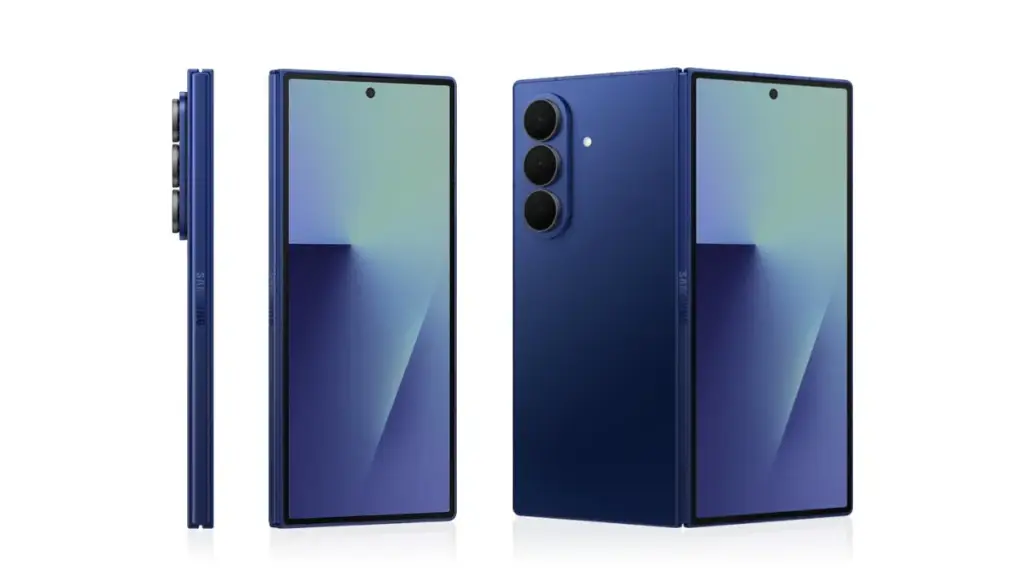
Since their introduction, foldable smartphones have faced skepticism regarding their durability due to their flexible screen design. This perception mainly arises from the differences between flexible display technology and traditional rigid glass panels.
Recent laboratory tests reveal that current foldable phones have made significant strides in durability. Manufacturers have improved materials and hinge mechanisms to enhance longevity. Samsung’s Galaxy Z Fold 7, for example, uses Ultra Thin Glass (UTG) that is 50% thicker than previous versions. Its Advanced Armor aluminum frame and Armor FlexHinge are engineered to distribute folding pressure evenly.
According to SamMobile and 9to5Google reports from November 2023, the Galaxy Z Fold 7 passed a Bureau Veritas certification test of 500,000 fold cycles. This number theoretically equals about 10 years of usage if folded 100 times daily. Independent tests by Tom’s Guide also confirm enhanced durability compared to older models.
Despite these advances, real-world factors pose ongoing risks. A YouTube content creator documented noise from the hinge and malfunctioning speakers after about 75,000 folds. This suggests dust, moisture, and external elements still can undermine the device’s lifespan.
Hinge Durability Improvements
Contrary to widespread belief, today’s foldable hinges are much more resilient. The Galaxy Z Flip 5 endured 401,000 folds before showing wear signs, making it among the toughest in its category. Samsung’s multi-rail hinge design on the Z Fold 7 further distributes pressure to increase endurance.
However, Android Authority highlights that other internal components—such as screen joints, speakers, and cooling systems—remain susceptible to quicker degradation in harsh conditions or heavy use.
Maintenance Tips for Longer Lifespan
Proper care significantly affects foldable phone durability. Users should pay attention to warranty coverage for potential repairs and avoid voiding it. Essential practices include:
- Keeping the hinge free from dust and debris.
- Avoiding excessive pressure that stresses fragile points.
- Protecting the device from liquid exposure that could damage connectors and internal parts.
These recommendations arise from both manufacturer guidelines and independent testing observations.
With advancements in flexible glass and hinge engineering, modern foldable phones are more robust than earlier versions. Yet, users must still be mindful of environmental challenges to maximize device longevity and maintain optimal performance.