


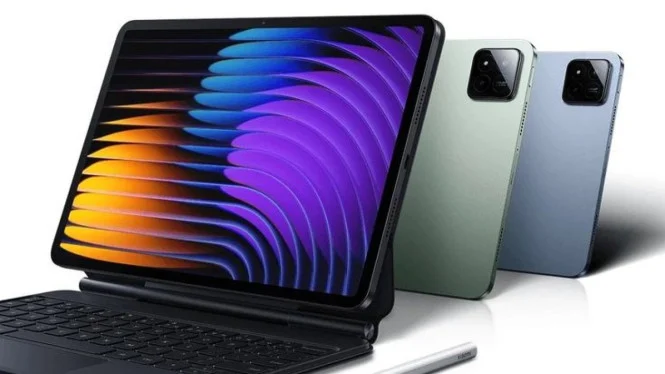
Huawei MatePad Pro 13.2-inch and Xiaomi Pad 7 Pro offer top-tier thin tablets for portable office use. Both models cater to professionals needing mobility without compromising performance. These devices blend slim design with powerful features to support remote work and travel requirements.
Design and Portability
The Huawei MatePad Pro stands out with an ultra-thin body measuring just 5.5mm. This makes it extremely lightweight and easy to carry during work trips. Its 13.2-inch OLED Papermate display delivers a large workspace with a sharp 2.8K resolution, ideal for multitasking on the go.
Meanwhile, the Xiaomi Pad 7 Pro is slightly thicker but maintains good portability. It uses a 3:2 aspect ratio screen, providing more vertical space suitable for productivity tasks like reading or writing. Despite not being OLED, its premium design ensures user comfort for extended use.
Display and Visual Comfort
Huawei’s OLED Papermate screen mimics the feel of paper, minimizing reflection and providing a natural pencil-on-paper writing experience. The 144Hz refresh rate paired with 1000 nits brightness ensures excellent outdoor readability.
Xiaomi matches the 144Hz adaptive refresh rate for smooth visuals. Although using an LCD panel, its display renders sharp text and vivid colors, making it well-suited for coding or long document reviews.
Performance and Chipset
Huawei equips the MatePad Pro with its in-house HiSilicon Kirin T92 chipset, claiming a 30% performance increase over previous generations. It packs 12GB RAM and 512GB storage, akin to a mid-range laptop’s specifications. This hardware pairing ensures fluid operation with PC-level Office 2.0 productivity tools.
Xiaomi’s Pad 7 Pro uses the Snapdragon 8S Gen 3 chipset, offering a responsive and efficient experience. Its Hyper OS Workstation mode enables floating app windows for true multitasking, such as researching while typing or video calling with simultaneous note-taking.
Software and Productivity Features
On software, the Huawei MatePad Pro shines with PC-level Office 2.0 integration, allowing extensive compatibility with Microsoft Office features. Split screen mode lets users run two apps side by side comfortably on the large 13.2-inch display, boosting workflow efficiency.
Xiaomi adds value with Hyperconnect capabilities, enabling seamless control of smartphones directly from the tablet. Its ability to use the phone’s camera as a webcam enhances video call quality. Additionally, Google’s Gemini integration supports writing assistance, further improving productivity.
Battery Life and Charging
Huawei does not specify the battery capacity but promises full-day usability despite the slim design. Its software optimizations typically ensure efficient power management.
Xiaomi’s Pad 7 Pro has an 8,850 mAh battery, supporting long work hours and rapid recharge via 67W HyperCharge. This fast charging can quickly boost battery levels to keep up with urgent work demands.
Summary Specifications Table
| Feature | Huawei MatePad Pro 13.2" | Xiaomi Pad 7 Pro |
|---|---|---|
| Thickness | 5.5 mm | Slightly thicker |
| Display | 13.2" OLED Papermate, 2.8K | 3:2 LCD, 144Hz adaptive |
| Refresh Rate | 144Hz | 144Hz adaptive |
| Chipset | HiSilicon Kirin T92 | Snapdragon 8S Gen 3 |
| RAM & Storage | 12GB RAM, 512GB SSD | Comparable specs |
| Productivity Software | PC-level Office 2.0 | Hyperconnect, Gemini |
| Battery | Not disclosed, all-day use | 8,850 mAh, 67W charging |
Both tablets excel as ultra-thin, high-performance devices fit for mobile professionals. The MatePad Pro emphasizes a natural visual and writing experience along with Microsoft Office compatibility. Meanwhile, the Xiaomi Pad 7 Pro focuses on versatile multitasking with unique smartphone integration features. Choice depends on which productivity style suits individual workplace needs best.