


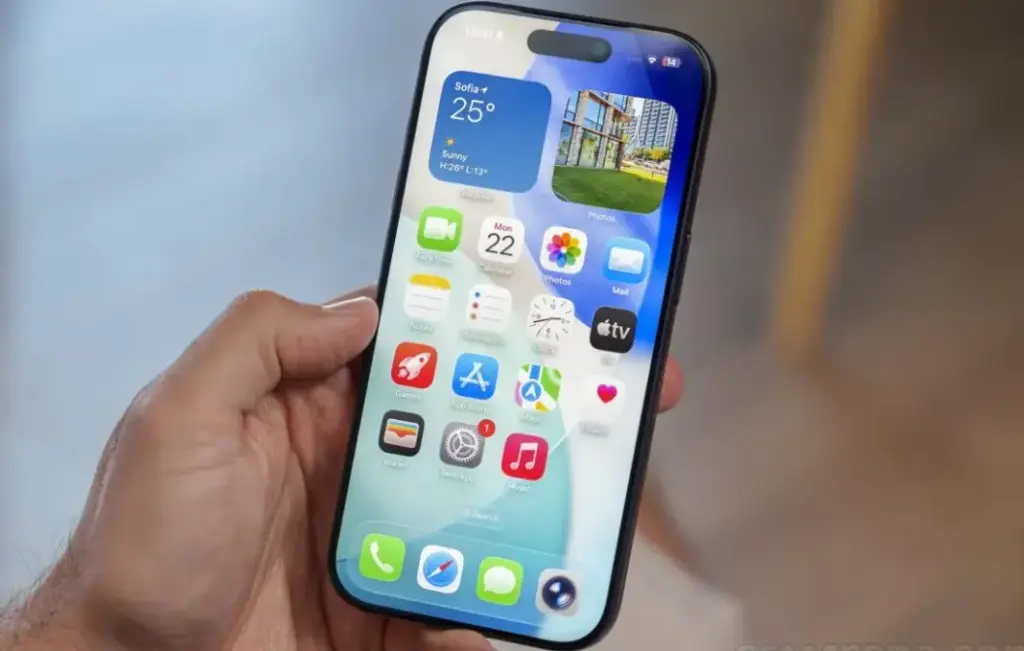
BOE, a leading panel manufacturer from China, has reportedly failed to supply displays for the iPhone 17 Pro due to unresolved reliability issues. Apple has subsequently shifted its orders originally slated for BOE to Samsung Display, according to recent reports from South Korea.
This shift significantly impacts BOE’s production targets and increases Apple’s reliance on Samsung. BOE was planning to supply up to 10 million LTPO panels specifically for the iPhone 17 Pro model sold in China. However, persistent technical problems prevented BOE from meeting Apple’s stringent quality standards by the end of 2025.
Samsung Display is now set to boost its OLED panel supply for Apple from 80 million to 90 million units this year. In contrast, BOE is unlikely to meet its goal of producing 40 million panels, though it remains a supplier for other iPhone models. The core issue lies with BOE’s difficulty in manufacturing LTPO (Low-Temperature Polycrystalline Oxide) panels that allow adaptive refresh rates and lower power consumption.
BOE’s technical challenges highlight the complexity of meeting Apple’s demanding specifications for premium smartphone displays. These hurdles are not new; BOE has faced past warnings about potentially losing its role as an iPhone screen supplier due to quality concerns. Yet, BOE remains a major Apple partner for other products, including supplying 51% of Apple’s MacBook displays in 2025.
The ongoing rivalry between BOE and Samsung is complicated further by recent resolution of an OLED patent dispute. Under the agreement, BOE will pay royalties to Samsung for using some of its OLED intellectual property. This settlement unfolds amid heightened competition and geopolitical tensions in the global panel market.
Apple’s decision to transfer iPhone 17 Pro screen orders to Samsung reveals vulnerabilities in its supply chain. While Apple strives to diversify its suppliers, the technical demands for LTPO panels limit the pool of capable manufacturers. Samsung’s advanced mass production capacity for high-quality LTPO OLED panels places it in a strong negotiating position.
Apple’s product strategy is also evolving, with developments such as the upcoming low-cost MacBook using iPhone chips, demonstrating efforts to optimize cost and performance across its lineup. The setback for BOE could hinder its expansion in premium panel production, though the company’s continued role in other Apple segments ensures it remains relevant.
The industry will closely watch how BOE addresses these challenges and whether it increases investment in LTPO technology to compete at the top tier. Meanwhile, Samsung Display is consolidating its dominance as Apple’s primary supplier for premium OLED screens, reinforcing its leadership in the high-end mobile display market.
Key points on the BOE and Samsung Display situation:
1. BOE failed to supply LTPO screens for the iPhone 17 Pro due to quality and reliability issues.
2. Apple shifted BOE’s iPhone 17 Pro orders to Samsung Display.
3. Samsung will increase OLED panel supply from 80 million to 90 million units in 2025.
4. BOE remains a supplier for other iPhone models but will likely miss its 40 million panel target.
5. BOE faces challenges in meeting Apple’s LTPO panel standards.
6. BOE and Samsung resolved an OLED patent dispute, with BOE paying royalties to Samsung.
7. Apple’s supply chain shows increased dependence on Samsung for premium displays.
8. Samsung’s LTPO panel manufacturing capacity strengthens its market position.
9. BOE is actively innovating in entry-level LCD panels to diversify its product range.
10. The developments reflect complex industrial and geopolitical factors affecting global tech supply chains.
This realignment in iPhone 17 Pro display sourcing underscores how critical technology and quality control remain in shaping the competitive landscape of smartphone components.