


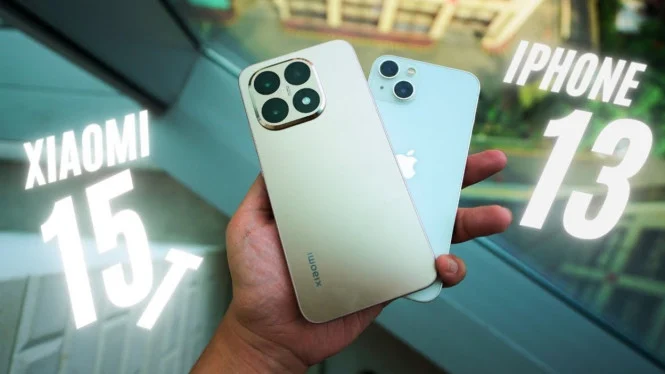
Choosing between a brand-new midrange phone like the Xiaomi 15T and a former flagship like the iPhone 13 can be challenging, especially when both come at a similar price point around $400-$450. Both phones offer compelling features that cater to different user priorities, making it essential to understand their strengths before making a decision.
The Xiaomi 15T and iPhone 13 target users who want solid performance without breaking the bank. Xiaomi 15T shines with a larger 6.8-inch display featuring a 120Hz refresh rate, ideal for smooth scrolling and immersive multimedia experiences. In contrast, iPhone 13 offers a more compact 6.1-inch screen with a traditional 60Hz refresh rate but promises a solid, premium build thanks to its glass back and metal frame construction.
Design and Build Quality
The iPhone 13 feels sturdy and compact, making one-handed use comfortable. Xiaomi 15T, with its larger size and plastic body with a rose gold finish, opts for a stylish yet functional approach that benefits gamers and multimedia enthusiasts. While Xiaomi’s plastic frame might seem less premium, its size advantages outweigh this for those who prefer expansive displays.
Display Differences
Both displays provide good visual quality for watching videos and playing games. However, Xiaomi 15T’s 120Hz refresh rate significantly enhances user experience by making animations and screen transitions smoother compared to iPhone 13’s 60Hz panel. Regardless of operating system, this higher refresh rate is a visible upgrade during everyday tasks.
Performance and Daily Usage
Inside, the iPhone 13 runs on Apple’s powerful A15 Bionic chip, which remains competent for daily tasks and light gaming in 2025. The Xiaomi 15T employs a capable MediaTek Dimensity chipset that also handles everyday use with ease. General activities like messaging, video calls, and streaming run smoothly on both. For heavy-duty gaming, however, neither device fully excels with graphics-intensive titles like Genshin Impact.
Camera Capabilities
Xiaomi 15T features a triple-camera setup co-engineered with Leica that includes ultrawide, telephoto, and main sensors. This camera system yields more versatile and natural-looking photos than the iPhone 13, which relies on two cameras without telephoto support. iPhone 13 photos tend to be more realistic but sometimes with a warm, yellowish tint. For selfies and ultrawide shots, the iPhone 13 still holds a slight advantage over Xiaomi’s more basic front camera.
Video Recording and Stabilization
Content creators may favor the iPhone 13’s video capabilities. Its optical image stabilization (OIS) system delivers smoother footage with better panning, focus, and exposure stability. In contrast, Xiaomi 15T’s videos show occasional exposure hunting when transitioning lighting conditions, and autofocus can be inconsistent during recording.
Battery Life and Charging
When it comes to endurance, the Xiaomi 15T clearly excels. It comfortably lasts a whole day on a single charge, paired with fast charging at 67W. The iPhone 13 typically needs charging two to three times a day and supports slower 20W fast charging. Users who prioritize battery longevity and quick top-ups might prefer Xiaomi.
Summary of Key Differences
| Feature | Xiaomi 15T | iPhone 13 |
|---|---|---|
| Display | 6.8-inch, 120Hz | 6.1-inch, 60Hz |
| Build | Plastic with metal frame, rose gold color | Glass back, metal frame, compact design |
| Processor | MediaTek Dimensity | Apple A15 Bionic |
| Cameras | Triple (ultrawide, telephoto, main) | Dual (ultrawide, main) |
| Video Stabilization | Moderate | Excellent |
| Battery Life | Full-day usage, 67W fast charging | Moderate, 20W charging |
| Ideal For | Multimedia, battery endurance, photography | Video content creation, iOS experience |
Ultimately, if you seek a smooth, vibrant display with a long-lasting battery and better photographic flexibility, the Xiaomi 15T is a strong contender. For those who want a more compact design, superior video recording, and the iOS ecosystem, the iPhone 13 remains a relevant choice despite being a previous-generation model.
The decision hinges on what you value more: Xiaomi’s latest features and battery life or Apple’s polished build and video prowess at a similar budget. Both phones continue to offer viable options in the midrange price segment in 2025, catering well to different user needs and preferences.