


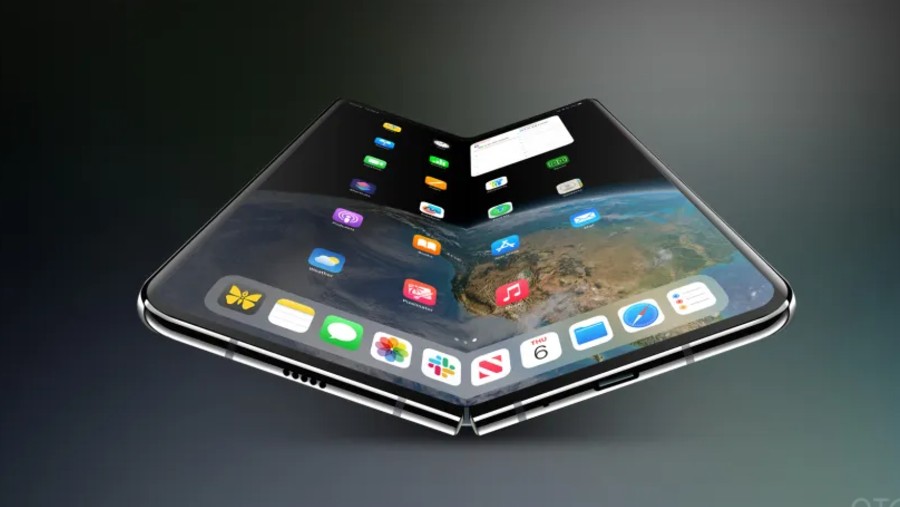
Apple’s foldable iPhone is predicted to be priced at around US$2,399 (approximately Rp 40 million) for its highest-end variant. This forecast comes from Arthur Liao, an analyst at Fubon Research, supporting earlier estimations by well-known analyst Ming-Chi Kuo.
Despite Apple not officially confirming the foldable iPhone yet, leaks and analyses continue to surface. The expected price places the device above current foldable smartphones in the market. For comparison, the Samsung Galaxy Z Fold 7 with 16GB RAM and 1TB storage launched at around US$2,019 (Rp 35 million) in Indonesia. Huawei’s Mate X6 is even cheaper, priced about Rp 30 million locally.
Reasons Behind the Premium Pricing
Fubon Research points out that Apple’s choice of premium components justifies the high cost. The foldable device will feature advanced display panels and hinge mechanisms expected to meet or exceed market standards. Apple consistently emphasizes quality and user experience, which typically drives up production costs.
Apple’s material selection and engineering precision align with its market positioning as a premium brand. The final price, however, will affect sales volume. Fubon Research estimates Apple could ship roughly 5.4 million foldable iPhones in 2026, reflecting confidence in consumer demand for a high-priced premium product.
Apple has reportedly made significant progress in assembling components for its foldable phone. This step signals a serious commitment to entering the growing foldable smartphone segment.
Design and Development Status
Latest rumors indicate Apple is pursuing a horizontal folding design, similar to a book form factor. This style is already familiar among foldables like the Samsung Galaxy Z Fold and Huawei Mate X series. Horizontal folding is favored for productivity benefits, offering a larger screen when opened fully.
The device is said to have reached the engineering validation test (EVT) phase, a critical milestone before mass production. During EVT, prototypes undergo rigorous testing to confirm functional design and component durability. This phase suggests Apple is on track for eventual launch.
Battery capacity and durability remain key considerations due to the power demands of dual screens. Apple will need to optimize battery life to maintain daily usability. The high pricing signals Apple will market this foldable iPhone as a flagship and high-margin product, consistent with its premium brand strategy.
While Apple enters the foldable market later than competitors, its reputation for innovation and refinement may justify the higher price point. Early signs show the company aims to deliver a well-crafted device that leverages superior technology and materials.
Summary of Key Price Comparisons
| Device | Price (USD) | Price (IDR approx.) |
|---|---|---|
| Apple Foldable iPhone | $2,399 | Rp 40 million |
| Samsung Galaxy Z Fold 7 | $2,019 | Rp 35 million |
| Huawei Mate X6 | – | Rp 30 million |
Given these developments, the iPhone foldable model is positioned as a premium entry in the foldable category for 2026. Consumers and industry watchers can expect Apple to bring its signature innovation to this competitive segment with a top-tier price tag reflecting the high-end components and design quality.