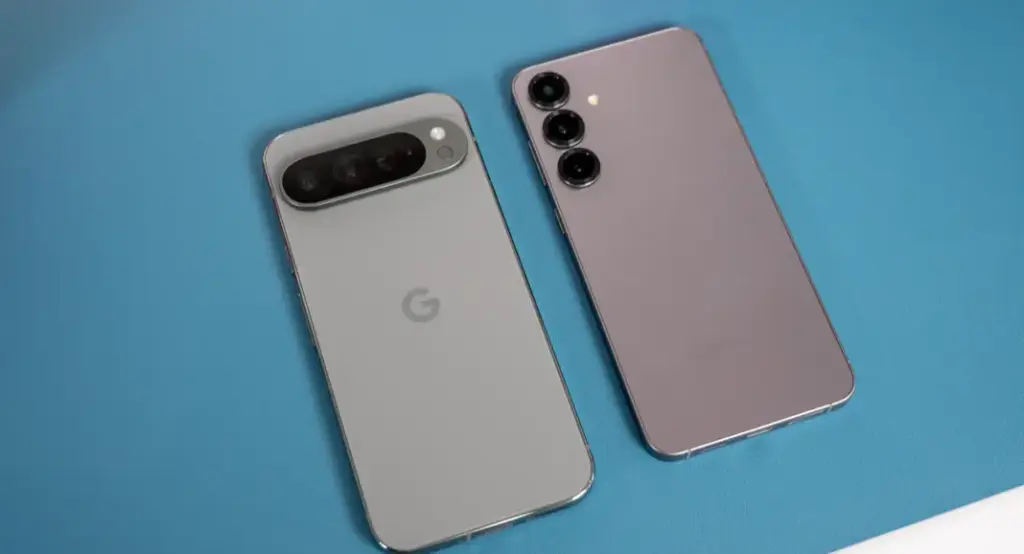
Samsung Galaxy S26 Plus and Google Pixel 10 Pro XL are set to reignite the Android flagship battle in early 2026. Both tech giants aim to deliver cutting-edge technology, focusing heavily on different strengths to captivate consumers.
Samsung brings its tradition of raw hardware power and versatile features. Google bets on AI-driven software to create a seamless user experience. This contrast shapes the core of their upcoming flagship rivalry.
Performance and Platform
The Galaxy S26 Plus will likely use Samsung’s Exynos chip for some regions and Qualcomm’s Snapdragon 8 Gen 5 for others like North America. Samsung’s chips emphasize gaming and robust multitasking performance. Meanwhile, the Pixel 10 Pro XL is expected to feature Google’s Tensor G5, a chipset co-developed with Samsung Foundry. Tensor G5 prioritizes AI efficiency, advanced machine learning, and computational photography.
Memory options for both phones are rumored to start at 12GB of RAM with 256GB of internal storage. Display technology also plays a key role: Samsung uses a Dynamic AMOLED 2X panel with an adaptive 120Hz refresh rate. Pixel counters with an LTPO OLED screen that matches this refresh rate and promises high peak brightness for outdoor visibility.
Camera Systems: The Main Battleground
Camera technology often defines flagship smartphones, and here the two brands diverge sharply. Samsung’s Galaxy S26 Plus reportedly retains a triple-camera setup led by a large 200MP primary sensor. It will also feature ultra-wide and periscope telephoto lenses, enhancing zoom capabilities with its renowned Space Zoom technology.
On the other hand, Google relies on fewer camera sensors but leverages its industry-leading computational photography software. Features like HDR+, Night Sight, and Magic Eraser, combined with Tensor G5’s faster processing, aim to deliver consistently excellent photos. The Pixel favors simplicity and accuracy, producing natural colors with AI-powered “point-and-shoot” efficiency.
Samsung’s approach offers in-depth manual controls and extensive camera modes. Google provides an optimized automatic experience, relying on software to win the image quality race.
Design, Software, and Ecosystem
Samsung’s design language for the S26 Plus keeps the flat frame and separated camera modules introduced with the S25 series. Pixel 10 Pro XL is expected to refine its signature horizontal camera bar on the back with improved materials. Both devices prioritize ergonomics, with subjective feel likely influencing buyer preference.
On software, the Galaxy runs One UI 8 atop Android 16, featuring extensive customization and deep ties to Samsung’s Galaxy ecosystem, including smartwatches, earbuds, and tablets. Pixel 10 Pro XL offers a pure Android experience with immediate updates from Google. It includes exclusive features like Call Screen, Now Playing, and smart Recorder.
Software support length is a critical consideration. Google traditionally leads with longer and faster OS updates. Samsung has significantly improved update policies recently, closing the gap in software longevity.
For Consumers: What to Consider?
Choosing between the Galaxy S26 Plus and Pixel 10 Pro XL depends largely on individual needs. Samsung offers a hardware-rich experience, broad functionality, and integration within a vast ecosystem. Google appeals to users wanting a clean, AI-enhanced experience with rapid updates and computational photography expertise.
As these phones are still shrouded in rumors, official specs and release dates remain pending. However, the 2026 flagship duel between Samsung and Google promises to deliver exciting innovations. The battle will push both companies to refine their technologies, ultimately benefiting users seeking the best in Android flagship smartphones.