


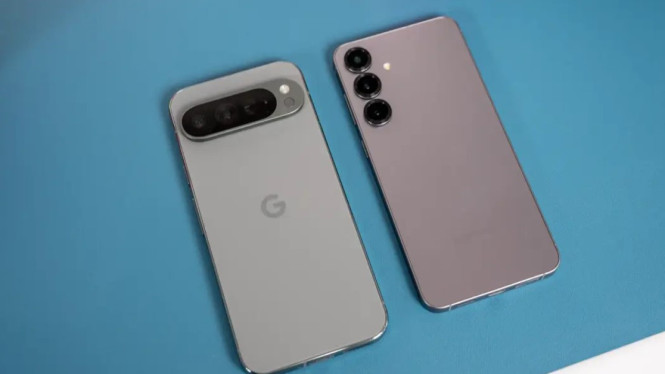
The Android flagship battle of 2026 is shaping up to be a close contest between Samsung’s Galaxy S26 Plus and Google’s Pixel 10 Pro XL. Both devices aim to deliver premium experiences, focusing on high performance and long-term usability, but they approach these goals differently.
Samsung equips the Galaxy S26 Plus with the Exynos 2600 chipset, built on an advanced 2nm fabrication process. This smaller chip technology suggests that Samsung prioritizes energy efficiency alongside powerful performance. Users can expect steady power consumption, especially during intensive tasks like gaming and multitasking.
In terms of design and display, the Galaxy S26 Plus retains its AMOLED panel with a high refresh rate. Samsung continues to emphasize visual quality and user comfort, qualities that have long defined its Galaxy S series.
Google’s Pixel 10 Pro XL, in contrast, leans into software-driven excellence with its Tensor G5 chipset. Rather than focusing solely on raw performance, this processor excels in AI and machine learning optimization. This allows the device to power various on-device AI features efficiently, enhancing functionality beyond traditional hardware specs.
Software, Camera, and Ecosystem: Key Differentiators
Samsung’s Galaxy S26 Plus runs One UI based on Android, offering extensive customization options. Its strong integration with Samsung’s ecosystem—including tablets, smartwatches, and smart home devices—adds significant value for users who already utilize these products.
Meanwhile, Pixel 10 Pro XL delivers a pure Android experience with typically faster updates for system software and security patches. Its AI-powered features include advanced call screening, intelligent photo editing, and system optimizations, appealing to users who value simplicity and consistency.
The camera systems highlight the divergent philosophies of the two brands. Samsung focuses on high-resolution sensors and versatile shooting modes suitable for various environments. Google, however, relies heavily on computational photography powered by sophisticated algorithms, delivering consistent image quality even with less aggressive hardware specs.
This contrast means the Galaxy S26 Plus suits users who want extensive manual controls and flexible camera features. The Pixel 10 Pro XL attracts those who prefer immediate results and intelligent processing without complex adjustments.
On connectivity, both flagships support the latest 5G standards. Samsung likely benefits from its integrated modem within the 2nm chipset to provide stable network performance. Google emphasizes tight synchronization between hardware and software to maintain optimal connections under diverse conditions.
Although launches are still forthcoming, leaks suggest that Galaxy S26 Plus and Pixel 10 Pro XL will dominate the 2026 flagship Android space. Ultimately, the choice will depend on whether consumers prioritize robust hardware with a broad ecosystem or a pure Android experience enriched by powerful AI capabilities.
Comparison Summary:
| Feature | Galaxy S26 Plus | Pixel 10 Pro XL |
|---|---|---|
| Processor | Exynos 2600 (2nm fabrication) | Tensor G5 (AI/machine learning focus) |
| Display | AMOLED, high refresh rate | OLED, optimized for visual clarity |
| Software | One UI with extensive customization | Pure Android with fast updates |
| Ecosystem | Strong Samsung device integration | Google services and AI enhancements |
| Camera Approach | High-res sensors, manual modes | Computational photography algorithms |
| Connectivity | Latest 5G with integrated modem | Latest 5G with hardware-software sync |
These flagship candidates illustrate how Android’s ecosystem evolves with distinct but equally compelling strategies. Buyers in 2026 will need to weigh hardware prowess and ecosystem depth against streamlined AI-driven user experiences to find their best fit.