


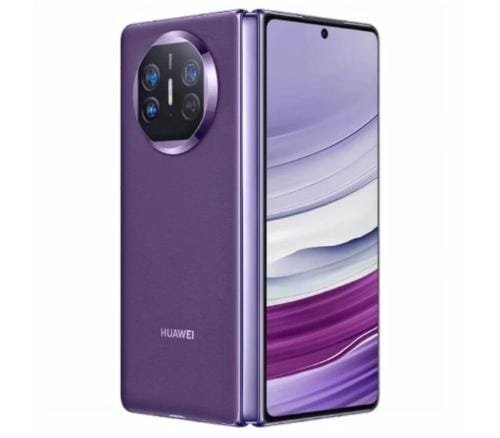
The era of double display smartphones has moved beyond experimental concepts into tangible, market-ready devices. This innovation spans from high-end foldable phones to dual-screen gadgets catering to diverse user needs, enhancing productivity and entertainment.
Several brands stand out as pioneers and innovators in this space, pushing the boundaries of multi-display technology and futuristic designs.
Samsung: Leading Foldable Technology with Mature Ecosystem
Samsung remains a dominant player in the double display market. Its Galaxy Z Fold series features an outer 6.2-inch Dynamic AMOLED 2X screen and a large 7.6-inch main display when unfolded. Powered by flagship chipsets and up to 12 GB of RAM, these phones support multitasking with three apps running simultaneously via One UI. In Indonesia, the price for the Galaxy Z Fold series typically ranges around 30 million Indonesian Rupiah, approximately $1,900, targeting professionals and power users.
OPPO Find N Series: Compact and Ergonomic Foldables
OPPO’s Find N2 Fold offers a 7.1-inch OLED main screen with a smooth 120Hz refresh rate, paired with a 5.54-inch outer display designed for one-handed use. Its lightweight design distinguishes it from bulkier foldables. Equipped with a Snapdragon 8+ Gen 1 chipset, it is priced near 27 million Rupiah, or about $1,700, positioning it as a premium yet compact foldable smartphone.
Huawei: Bold Multi-Fold Innovations
Known for its aggressive screen folding innovations, Huawei’s Mate X series offers expansive displays that open into tablet sizes. Huawei’s experimentation includes triple-fold phones that unfold into three separate screen panels, highlighting its commitment to pushing boundaries. Huawei foldables generally range from 25 million to over 30 million Rupiah (approximately $1,600 to $1,900), depending on the configuration.
Nubia X: Unique Dual Display Without Folding
The Nubia X diverges from foldable designs with two active screens placed on the front and back of the device. It features a 6.26-inch main display and a secondary 5.1-inch OLED rear screen used for selfies and quick notifications. Its Snapdragon 845 chip and up to 8 GB RAM offer solid mid-tier performance. Priced around 6 million Rupiah ($370), it remains one of the most affordable dual display smartphones available.
Ulefone Armor Series: Rugged Phones with Functional Dual Screens
Targeting outdoor enthusiasts and field workers, Ulefone Armor 33 Pro combines a main display with a secondary screen designed for quick access to features like a compass and clock. This rugged smartphone boasts military certifications and a robust battery. It sells for about 9 million Rupiah, or roughly $560, integrating dual display innovation into durable, practical devices.
LG: Former Pioneer of Dual Screen Smartphones
Although LG has exited the smartphone market, its dual display models such as the LG Wing and the V60/G8X Dual Screen series remain popular in the secondhand market. The LG Wing introduced a swiveling secondary display, while the V and G series utilized attachable dual screen accessories to enhance multitasking capabilities. These devices offer a more affordable entry point into dual screen usage today.
Future Outlook for Double Display Phones
The variety of devices and approaches confirms that double display phones are not just a fleeting trend. Currently concentrated in the premium segment, this technology is expected to mature further and become accessible at lower price points. With rising demands for multitasking, creative content production, and mobile work, multi-display smartphones are likely to remain a significant innovation in the smartphone industry in the coming years.
This progression signals a future where smartphone designs increasingly embrace multiple screens, combining functionality and futuristic aesthetics to meet evolving user demands.