


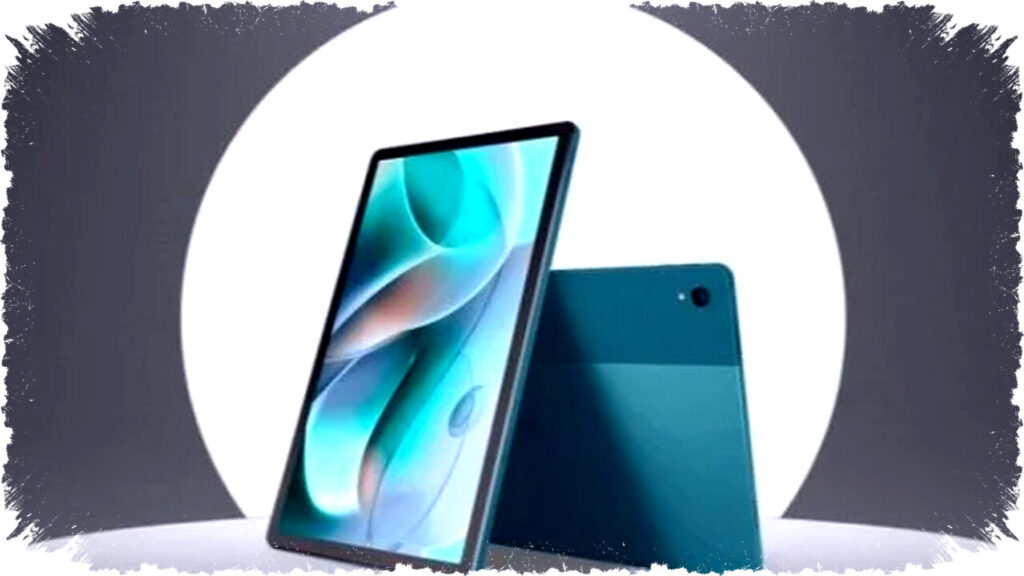
The tablet market for professional use is rapidly evolving, challenging the traditional role of office laptops. The Moto Pad 60 Pro and Huawei MatePad 11.5S have emerged as powerful contenders, designed to meet the needs of modern professionals who demand mobility without sacrificing productivity. Both devices target serious work scenarios rather than casual entertainment, offering comprehensive productivity ecosystems.
Moto’s approach emphasizes all-around flexibility with a large 12.7-inch 3K display and a smooth 144Hz refresh rate. This screen size enhances multitasking by providing a spacious digital workspace, ideal for users who manage multiple apps and long documents. The JBL speakers with Dolby Atmos elevate multimedia experience, which benefits users who blend work and entertainment on the same device.
On the other hand, the Huawei MatePad 11.5S favors a more compact 11.5-inch screen with a 2.8K resolution and a 3:2 aspect ratio. This shape aligns closer to professional laptops, allowing users to view more vertical text and reduce scrolling. Huawei adds a paper-like texture to its display, reducing glare and eye strain during extended sessions. The refresh rate matches Moto’s 144Hz, ensuring fluid visuals.
Performance and Productivity
Under the hood, the Moto Pad 60 Pro is powered by the Dimensity 8300 chipset, paired with LPDDR5X RAM and UFS 4.0 storage. This configuration supports intensive multitasking; users can effortlessly juggle numerous browser tabs and perform light video editing without lag. Additionally, the device features a USB-C 3.2 port enabling external display output, transforming it into a portable workstation.
Huawei’s MatePad 11.5S integrates the Kirin 9000-series chipset alongside 8 GB RAM and 256 GB storage. HarmonyOS optimizes resource management, facilitating stable performance in demanding tasks. The operating system’s multi-window feature resembles desktop environments, enhancing workflow efficiency. Huawei also bundles PC-level WPS Office, allowing seamless handling of complex documents.
Both tablets come with styluses included. The Moto Pen Pro supports 4096 pressure levels, suitable for precise sketching and note-taking. Huawei matches this precision, offering a stylus tailored for handwriting and professional document annotations.
Ecosystem and Connectivity
The Moto Pad 60 Pro runs on Android, providing broad access to Google Play Store apps. This openness offers users freedom to select preferred productivity tools. Its display-out function further boosts versatility, enabling the tablet to function as a laptop replacement in presentations or when connected to larger monitors.
Huawei’s MatePad 11.5S utilizes HarmonyOS, tightly integrated with other Huawei devices. Despite lacking Google Mobile Services, AppGallery and APK Pure serve as reliable sources for necessary work apps. The system’s laptop-like multitasking interface reduces the learning curve for users aiming to transition away from traditional laptops completely.
Summary Comparison Table
| Feature | Moto Pad 60 Pro | Huawei MatePad 11.5S |
|---|---|---|
| Display Size & Ratio | 12.7-inch, 3K, 16:10 | 11.5-inch, 2.8K, 3:2 |
| Refresh Rate | 144Hz | 144Hz |
| Processor | Dimensity 8300 | Kirin 9000-series |
| RAM & Storage | LPDDR5X RAM, UFS 4.0 | 8 GB RAM, 256 GB storage |
| Stylus Support | Moto Pen Pro, 4096 pressure levels | Precise stylus for handwriting |
| Ecosystem | Android with Google Play Store | HarmonyOS with AppGallery & APK Pure |
| Special Features | USB-C 3.2 with display out, JBL Speakers | PaperMat display texture, PC-level WPS Office |
These tablets show that office laptops face significant competition from mobile devices built with productivity in mind. Professionals prioritizing flexibility might lean towards the Moto Pad 60 Pro, while those looking for a compact, laptop-like experience could find the Huawei MatePad 11.5S preferable. The evolving tablet ecosystem blends powerful hardware and software, positioning these devices as serious alternatives for work on the go.