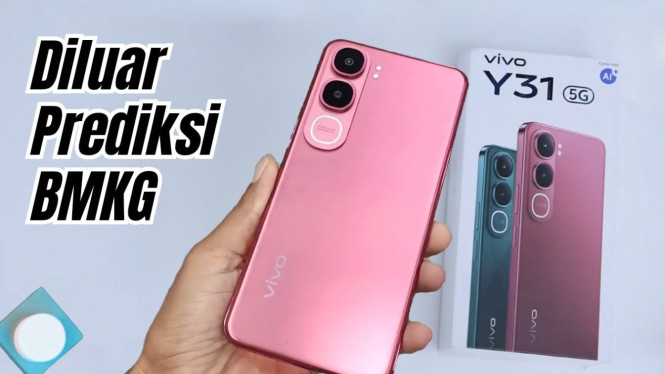
Vivo has taken a clear approach to the midrange market with the release of two new Y Series smartphones: the Y31 5G and Y31 Pro 5G. Both models come equipped with a large 6500 mAh battery, high refresh rate displays, and 5G connectivity. However, their core difference lies in the trade-off between durability and performance, catering to different user priorities.
The Vivo Y31 5G prioritizes durability with its robust design and higher water and dust resistance. It offers an IP68 certification, meaning it can withstand deeper submersion and provides better protection against dust compared to the Y31 Pro, which only has an IP64 rating. This distinction indicates that Vivo’s strategy is to appeal to users who need a phone capable of enduring harsh environments without sacrificing battery life.
Durability and Build Quality
The Y31 5G features a glossy polycarbonate body that ensures solid build quality for the price segment, offering protection that is uncommon at this price point. The IP68/IP69 rating signifies that the phone can handle immersion in water and resist dust infiltration, an ideal specification for users with active lifestyles or demanding work environments. In contrast, the Y31 Pro 5G’s IP64 rating implies only basic splash resistance, emphasizing its focus on power over ruggedness.
Display Technology and Visual Experience
Both models include displays with a 120Hz refresh rate, offering a smooth user experience during scrolling and gaming. The Y31 5G comes with a 6.68-inch IPS LCD panel at HD+ resolution and a maximum brightness of 1000 nits. While the high refresh rate is impressive, the HD+ resolution might feel like a compromise since competitors in the same price range offer Full HD displays.
Meanwhile, the Y31 Pro 5G steps up the game with a slightly larger 6.72-inch screen delivering Full HD+ resolution and a peak brightness of 1050 nits. This results in noticeably sharper images and better clarity for multimedia consumption. Users interested in streaming videos or playing games will find the Pro model’s display more compelling and immersive.
Performance Differences: Snapdragon 4 Gen 2 vs Dimensity 7300
Under the hood, the Y31 5G relies on the Snapdragon 4 Gen 2 chipset built on a 4nm process. It provides power-efficient operation suitable for everyday multitasking and casual gaming. The phone offers configurations with 4GB or 6GB of RAM paired with 128GB of storage, making it a balanced choice for users focused on battery longevity and stable daily performance.
In stark contrast, the Y31 Pro 5G is equipped with the more powerful MediaTek Dimensity 7300 chipset. Coupled with 8GB RAM and up to 256GB internal storage, this model caters to users with heavier demands, including more intensive gaming and multitasking. This clear segmentation helps buyers pick a phone aligned with their usage patterns—long battery life and durability with the Y31, or stronger performance with the Y31 Pro.
Camera Capabilities: Functional but Basic
Both models approach camera technology conservatively. The Y31 5G features a simple setup with a 50MP main sensor and an 8MP front camera. The Pro variant adds a modest 2MP depth sensor for background blur effects. Daytime photography is acceptable, producing clear images with decent color accuracy and dynamic range for a midrange phone.
However, low-light photography does not impress due to the absence of advanced sensors or night mode features. This aligns with Vivo’s strategy to reserve serious camera innovation for its V Series. Thus, photography should not be a primary factor when choosing between these two phones.
Battery and Charging Performance
A standout feature for both phones is the sizable 6500 mAh battery paired with 44W fast charging support. This capacity surpasses many rivals in the midrange segment, enabling typical users to achieve up to two full days of usage on a single charge. Fast charging technology can replenish the battery to 50% capacity in approximately 30 minutes, minimizing downtime.
While the Y31 Pro’s more powerful processor consumes more energy under intense use such as gaming, the battery life remains competitive. This makes either model a strong choice for users with busy, mobile lifestyles who require long-lasting, rapid charging smartphones.
Choosing Between IP68 Protection or Powerhouse Performance
When deciding which device suits your needs, focus on your priorities. If you value ruggedness, environmental resistance, and battery endurance, the Vivo Y31 5G is the practical pick. Conversely, if you need sharper visuals and higher performance for gaming or multitasking, the Y31 Pro 5G delivers better specifications at the cost of reduced water and dust protection.
In terms of pricing, the Y31 variants are positioned to be affordable options, with prices near $200 to $230 depending on configurations. This ensures they remain accessible while offering features uncommon at this price point.
Understanding this clear differentiation will help consumers make an informed choice between the durable, well-protected Y31 and the high-performing but less rugged Y31 Pro. Both models exemplify Vivo’s intent to tailor their midrange lineup to diverse user demands without compromising on battery life.