


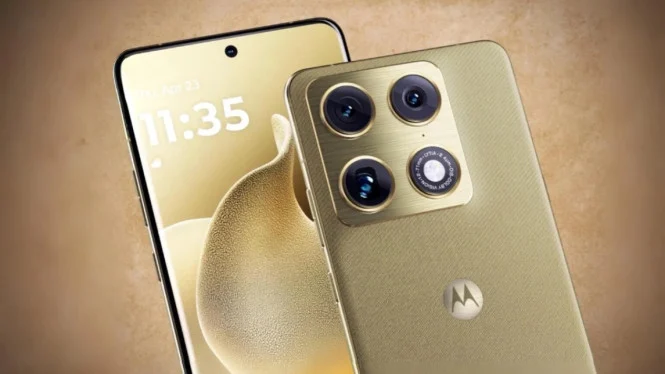
Motorola has introduced its latest flagship, the Motorola Signature, with a clear emphasis on camera improvements. This new model features larger main and telephoto sensors than its predecessor, the Edge 50 Ultra, combined with an advanced image processing algorithm. The critical question remains: can this flagship camera rival contenders like the iPhone 17 Pro and Vivo X300 Pro?
DxOMark, a trusted authority in smartphone camera benchmarking, conducted a detailed comparison of the Motorola Signature against the iPhone 17 Pro and Vivo X300 Pro. Their tests included shooting in varied lighting conditions and analyzing aspects such as detail retention, color accuracy, and overall image quality.
Low-Light Performance: Motorola Holds Its Ground
In low-light environments with complex background colors, the Motorola Signature demonstrated remarkable strength. It succeeded in clearly separating subjects from backgrounds while preserving intricate details on surfaces like walls. Additionally, it maintained natural skin tones more effectively than both the iPhone 17 Pro and Vivo X300 Pro. This performance indicates significant progress for Motorola’s camera system in challenging lighting scenarios.
Portrait Photography: Vivo Remains the Consistent Leader
For portrait shots, the Vivo X300 Pro was ranked highest for its consistent balance between natural appearance and effective image processing. Its accurate lighting and realistic facial colors earned it top marks. Nevertheless, the Motorola Signature closely followed, offering comparable brightness and strong edge detection of subjects. The only noticeable difference was a slightly warmer tone in Motorola’s images, whereas the iPhone 17 Pro delivered a more neutral, natural look.
Telephoto Capabilities: Sensor Size vs. Real-World Output
The Signature’s telephoto camera includes a 50MP periscope sensor measuring 1/1.95 inches—situated between Vivo’s massive 200MP 1/1.4-inch sensor and iPhone’s 48MP 1/2.55-inch sensor. DxOMark emphasized that modern smartphone photography in 2026 goes beyond sensor size, heavily relying on sophisticated software and AI-powered image processing.
Samples from the zoom test revealed that Motorola’s zoomed images showed noticeably more detail compared to the iPhone’s output. However, they were just slightly behind the Vivo X300 Pro’s superior zoom quality. Moreover, Motorola’s imagery demonstrated improved noise control in shadow areas relative to the iPhone, which reflects progress in their camera pipeline technology over recent years.
Ranking and Market Outlook
Following these evaluations, the Motorola Signature secured the seventh spot on the DxOMark smartphone camera rankings. This position places it above prestigious names such as the Pixel 10 Pro XL, Huawei Pura 70 Ultra, and even the iPhone 16 Pro Max. Such a ranking represents a substantial milestone for Motorola within the camera flagship segment.
Motorola plans to launch the Signature in select European markets next month with an initial price around £900 (approximately $1,130 USD) or €1,000. Wider global availability will follow in subsequent months, potentially making this device a strong competitor in the premium smartphone market.
Summary of Key Camera Specifications
| Feature | Motorola Signature | Vivo X300 Pro | iPhone 17 Pro |
|---|---|---|---|
| Main Camera Sensor | Larger than Edge 50 Ultra | 200MP 1/1.4-inch sensor | 48MP 1/2.55-inch sensor |
| Telephoto Sensor | 50MP 1/1.95-inch periscope | Largest sensor in comparison | 48MP 1/2.55-inch sensor |
| Image Processing | New generation AI algorithms | Highly consistent balance | Natural color rendering |
| Zoom Detail Level | Above iPhone, below Vivo | Best in comparison | Moderate detail retention |
| Low-Light Performance | Very strong | Good | Adequate |
This data illustrates Motorola’s renewed focus on combining hardware upgrades with smart software enhancements. The improved low-light and zoom capabilities distinguish the Signature as a noteworthy entrant in the 2026 mobile photography race.
As the smartphone camera landscape evolves, it is clear that sensor size is no longer the sole determinant of image quality. Brands like Motorola are proving that leveraging advanced AI and refined processing pipelines can deliver competitive results that challenge industry leaders. The coming months will be crucial to see how the Motorola Signature performs in real-world conditions and whether it can convince consumers to reconsider established top-tier options like Apple and Vivo.