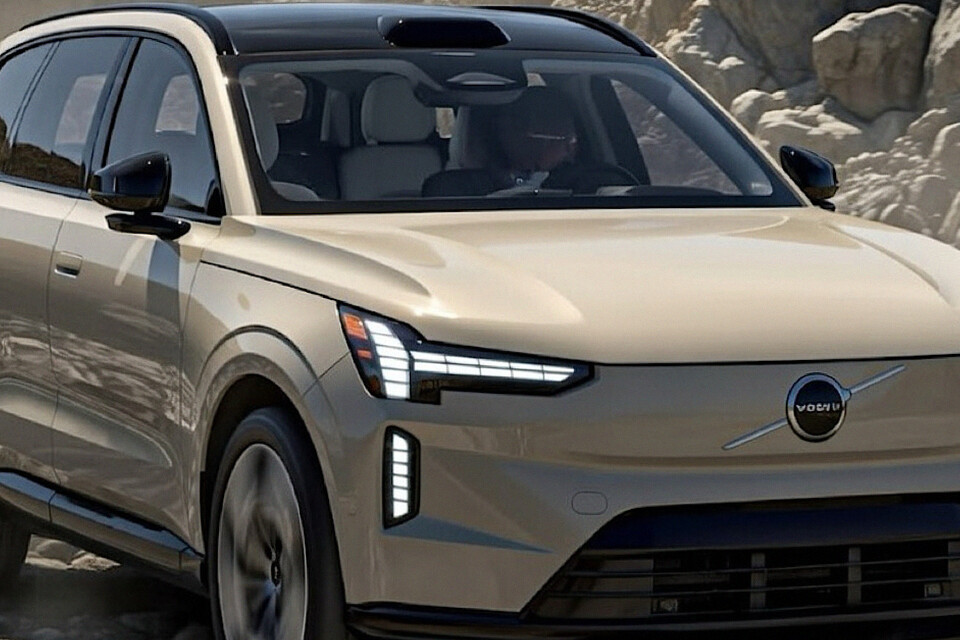
Volvo EX60 introduces groundbreaking fast-charging technology that significantly reduces charging time for electric vehicles. Utilizing an 800-volt electrical architecture paired with a robust 400 kW power input, this system can add approximately 340 kilometers (211 miles) of range in just 10 minutes of charging. This advancement directly addresses the common concern of range anxiety, providing EV users with a practical solution for quick battery replenishment.
The EX60 leverages Volvo’s new Scalable Product Architecture 3 (SPA3) platform, tailor-made for electric vehicles. This platform supports a high energy density battery pack and integrates “cell-to-body” battery technology. This innovation merges the battery cells directly into the vehicle’s body structure, enhancing overall efficiency by reducing vehicle weight and increasing rigidity. The reduction in mass contributes to better handling and extends driving range, signaling a leap forward in EV design.
Details of Fast Charging Technology
Volvo’s introduction of an 800-volt system marks its first adoption of such a high-voltage electrical architecture in passenger vehicles. High voltage allows more efficient energy transfer during charging and lowers heat generation, which helps maintain fast charge speeds without compromising battery health. Paired with the capacity to accept up to 400 kW power input, Volvo EX60’s battery rapidly replenishes energy, allowing for ultra-fast charging sessions.
Smart battery management is central to this capability. Developed in cooperation with Breathe Battery Technologies, Volvo equipped the EX60 with intelligent algorithms that optimize energy flow. These algorithms balance thermal management and state-of-charge to maximize charging efficiency while preserving long-term battery durability. In addition, lighter materials in the electric motor system reduce heat buildup, allowing the car to sustain peak charging rates.
Cell-to-Body Battery Integration
A key highlight of the Volvo EX60 is the adoption of the cell-to-body battery structure. Unlike traditional EV batteries, which are housed in discrete modules within a specialized compartment, this technology infuses battery cells right into the vehicle’s chassis. This method provides multiple benefits:
- Weight reduction through the elimination of separate battery housing and supporting parts.
- Increased structural stiffness, enhancing safety and ride comfort.
- Streamlined manufacturing by combining components, reducing complexity and production costs.
Volvo further employs mega casting—a process that produces large, integrated castings replacing multiple small components—to trim vehicle weight and production intricacies. This approach complements battery integration and contributes to the overall efficiency gains of the EX60.
Performance and Market Positioning
Alongside its technical advances, the Volvo EX60 promises an impressive electric driving range cited at up to 810 kilometers (approximately 503 miles) on a full charge, based on WLTP standards. This positions the EX60 competitively against market leaders like the Tesla Model Y and BMW iX3 in the luxury electric SUV segment. The rapid charging and long-range combination helps erase the typical compromises between performance and practicality found in earlier EVs.
The EX60 is also loaded with modern computing and driver assistance technologies. It features Qualcomm Snapdragon-based HuginCore computing platforms, NVIDIA DRIVE AI assistance, and Google’s AI assistant integration. These augment the user experience by enabling quick system responsiveness and advanced safety functions.
Upcoming Launch and Availability
Volvo plans to globally unveil the EX60 on January 21, 2026, in Stockholm. Production is slated to begin in the first half of 2026 at its Gothenburg facility, with market availability expected by late 2026 or early 2027. Initial markets include Australia, with global rollout timelines to follow.
In summary, the Volvo EX60’s integration of ultra-fast charging, cell-to-body battery architecture, and lightweight construction technologies showcases the evolution of electric SUVs toward more efficient, capable, and user-friendly vehicles. These innovations collectively contribute to reducing vehicle weight, improving range, and enhancing charging convenience, aligning with Volvo’s ambition to set new standards in the premium EV market.