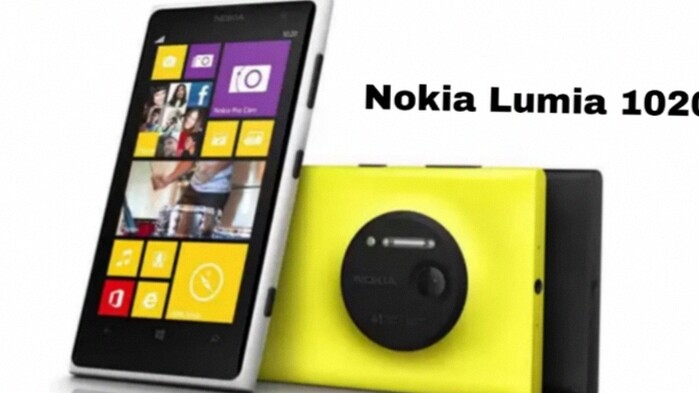
The Nokia Lumia 1020 remains a celebrated icon in mobile photography, even more than a decade after its 2013 debut. This phone is highly sought after in the secondhand market, not as a daily communication device, but as a dedicated photography tool. Enthusiasts value its camera capabilities, which many argue are still impressive by 2026 standards.
At the core of the Lumia 1020’s legend is its 41-megapixel PureView camera sensor, paired with Carl Zeiss optics. This combination was groundbreaking at the time and set a high benchmark for mobile photography. The 1.5-inch sensor size allowed the Lumia 1020 to capture much more detail than most smartphones available even today.
Advanced Camera Technology for Its Era
The Lumia 1020’s PureView technology employed oversampling by combining pixels, improving image sharpness and color accuracy. This method resulted in photos that appeared sharper and more natural, particularly in daylight conditions. Users also appreciated the possibility to crop images post-capture without significant loss of quality.
Additionally, the inclusion of a Xenon flash enhanced low-light photography capabilities. Unlike typical LED flashes, the Xenon flash produced a brighter and crisper burst of light, effectively freezing moving subjects and reducing blur during night shots. This feature remains a rarity in smartphones, making the Lumia 1020 stand out for nighttime photography.
Design and Display Characteristics
The smartphone features a robust build typical of Nokia’s Lumia series, with a prominent camera module that immediately draws attention. It has a 4.5-inch AMOLED screen with HD resolution, which was considered sharp for its time. Although not competitive with modern display standards in 2026, the screen still offers decent visual performance for basic use.
Under the hood, the Lumia 1020 uses a Qualcomm Snapdragon S4 Plus chipset with 2 GB of RAM. Internal storage options include 32 GB or 64 GB with no expandable memory slot. While sufficient for running Windows Phone OS, this setup struggles with the demands of today’s Android and iOS apps. Consequently, many applications no longer support this operating system, limiting the phone’s functionality beyond photography.
Battery Life and Practical Use
Equipped with a 2000 mAh battery, the Lumia 1020 manages light daily tasks adequately. However, heavy use, especially involving continuous photography or video recording, depletes the battery quickly. This limitation underscores its niche status as more of a camera-centric device than a full-fledged smartphone for everyday use.
Collectible Status and Market Pricing
In 2026, the Lumia 1020 has transformed from a practical device into a coveted collector’s item. Prices in the secondhand market vary widely based on condition and accessories. Units in average working condition typically range from IDR 700,000 to IDR 1,500,000, roughly $45 to $95 USD. Pristine models with complete accessories can command between IDR 1,500,000 up to over IDR 3,000,000, equivalent to approximately $95 to $190 USD.
This price range reflects the phone’s historical significance and enduring appeal among photography enthusiasts. While it is no longer advisable as a daily smartphone, the Lumia 1020 offers a nostalgic experience reminiscent of Nokia’s peak era in mobile photography.
Why the Lumia 1020 Still Matters
For collectors and classic photography fans, the Lumia 1020 remains a symbol of innovation. Its pure imaging capabilities and unique hardware features cannot be found in most modern smartphones, many of which favor computational photography over large sensor sizes. The Lumia’s approach to image quality remains influential in how mobile cameras are evaluated.
In a market saturated with dozens of mid-range phones, the Lumia 1020 stands out for those who prioritize authentic camera quality and historical value. It offers a glimpse into the evolution of smartphone cameras, honoring a legacy that helped shape today’s mobile photography standards.
This ongoing interest underscores the Lumia 1020’s position as more than just an aging phone. It is a landmark device whose 41 MP PureView camera and sizeable sensor continue to inspire and captivate an audience passionate about photography.